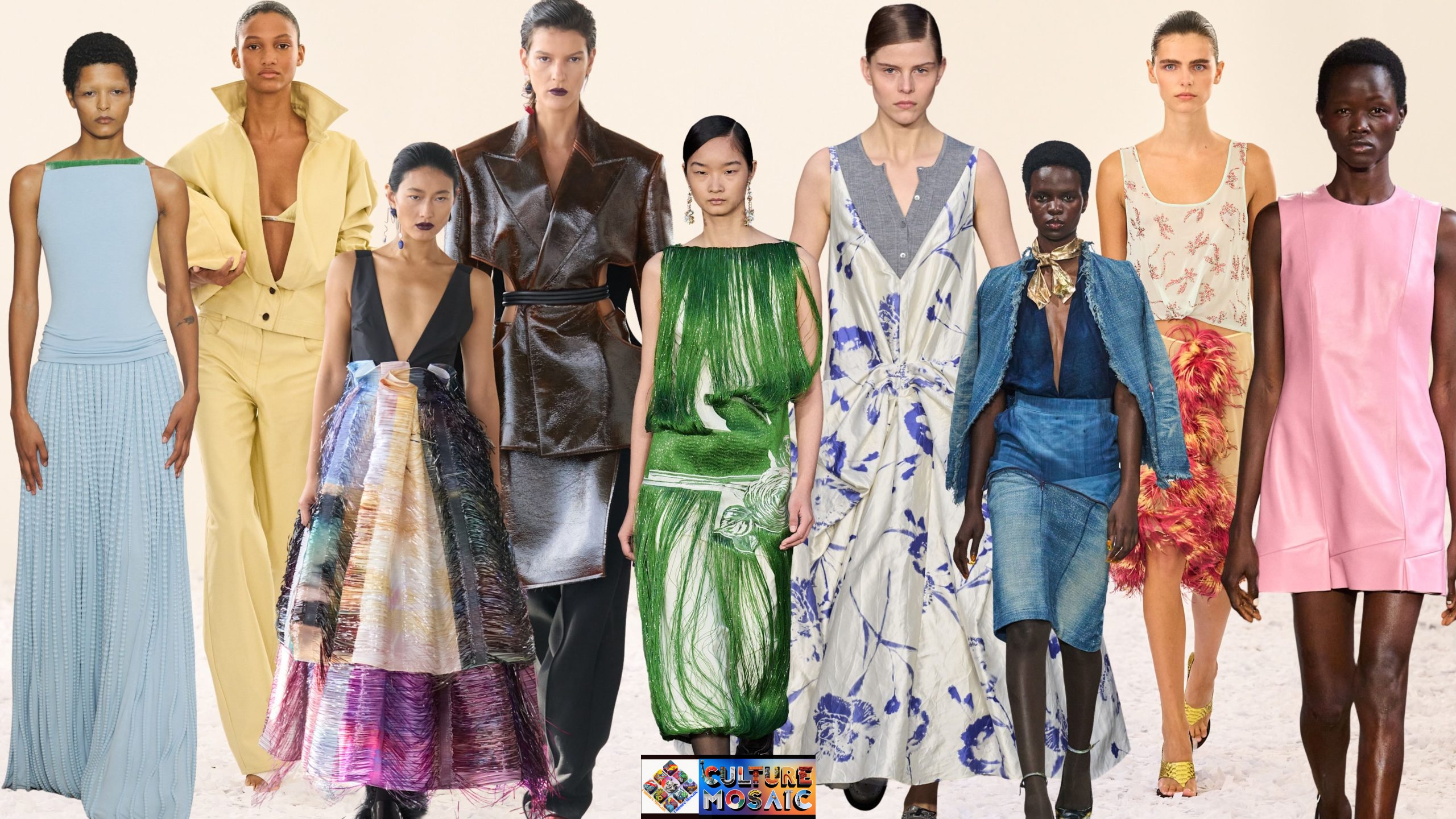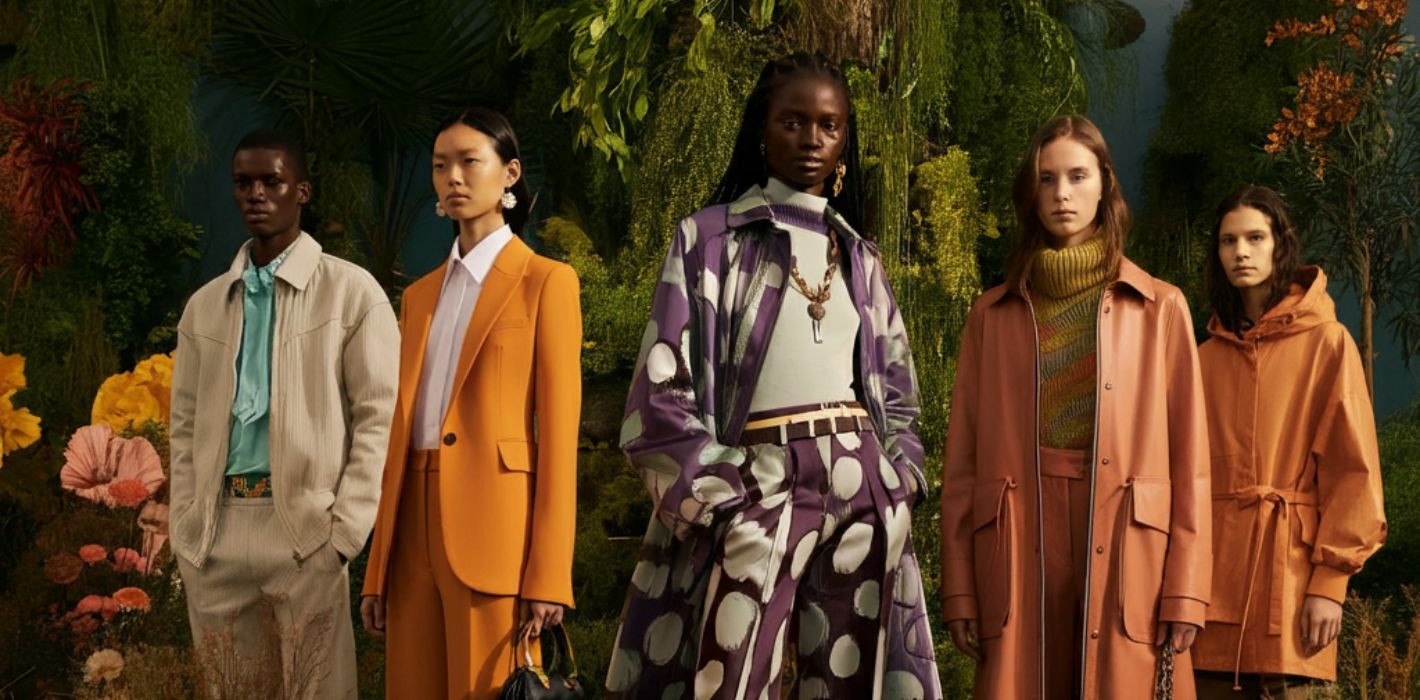





Marc Jacobs: The Story of an Iconic American Fashion Brand!
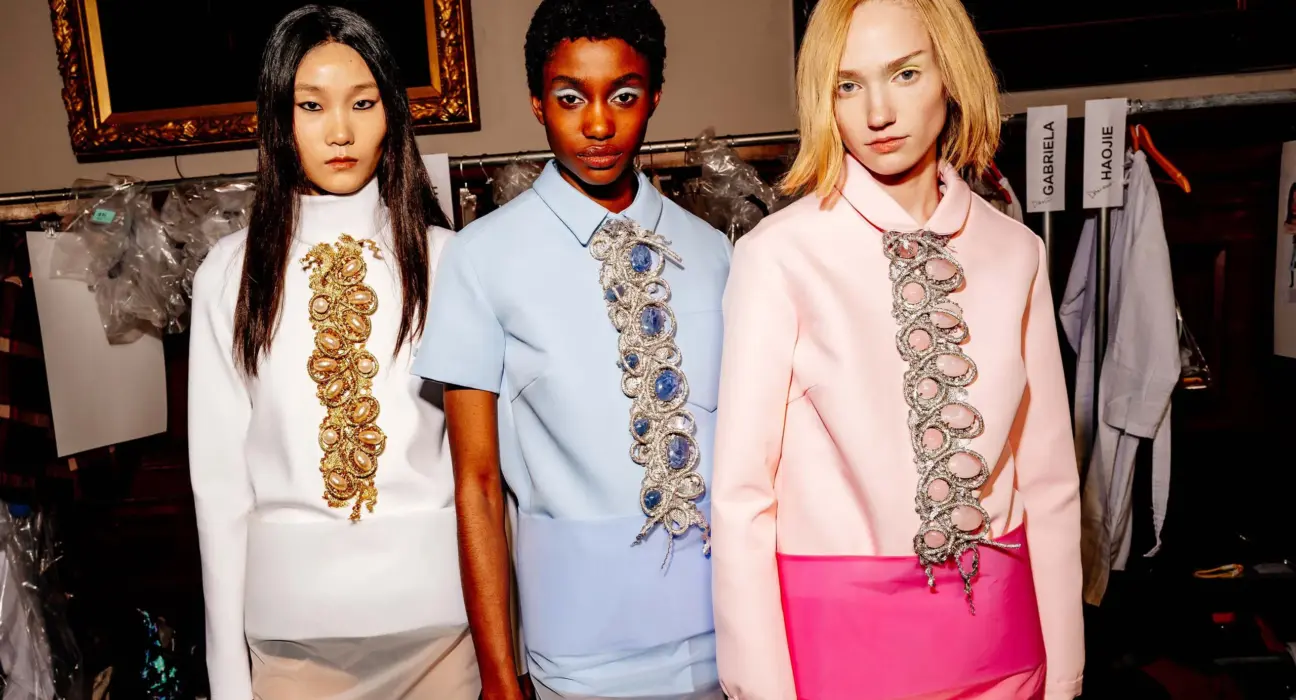
Marc Jacobs is one of the most influential names in modern American fashion. Known for his ability to combine luxury with youthful energy, creativity with commercial appeal, and classic fashion with unexpected cultural references, Marc Jacobs has built a brand that continues to attract fashion lovers around the world. The label represents individuality, experimentation, confidence, and a willingness to challenge traditional ideas about what luxury fashion should look like.
At the center of the brand is American designer Marc Jacobs, whose career has been defined by an unusual ability to predict and influence fashion trends. From his early work in New York to his time at Louis Vuitton and the development of his own global brand, Jacobs has played an important role in shaping contemporary fashion.
The Marc Jacobs brand is not limited to clothing. It includes handbags, shoes, accessories, fragrances, watches, jewelry, and other lifestyle products. Over the years, the brand has developed a distinctive visual identity that mixes sophistication with playful designs and pop-culture influences.
The Beginning of Marc Jacobs
Marc Jacobs was born in New York City in 1963. From a young age, he developed an interest in fashion and design. He attended the High School of Art and Design before studying at Parsons School of Design in New York.
While studying at Parsons, Jacobs demonstrated exceptional creative talent. His graduation collection attracted significant attention and earned him prestigious awards, including the Perry Ellis Gold Thimble Award. This early recognition helped establish him as one of the promising young designers of his generation.
In the 1980s, Jacobs began working professionally in the fashion industry. His early collections demonstrated many of the characteristics that would later become associated with his name: relaxed silhouettes, youthful styling, references to popular culture, and a willingness to reinterpret traditional fashion.
One of his most famous early moments came with his 1993 grunge-inspired collection. The collection challenged conventional luxury fashion by presenting models in oversized silhouettes, flannel shirts, boots, and other elements associated with the emerging grunge movement.
Although the collection received criticism from some traditional fashion observers, it became an important moment in fashion history. Jacobs showed that high fashion could take inspiration from street culture and youth movements rather than only from traditional luxury.
Marc Jacobs and Perry Ellis
Jacobs became the creative director of Perry Ellis in the early 1990s. His work there attracted enormous attention because of its unconventional approach.
The designer incorporated elements of youth culture into a luxury fashion environment. Instead of following traditional expectations, he experimented with casual clothing, grunge influences, and everyday fashion.
The response was controversial, but controversy became part of Jacobs’ creative identity. His willingness to take risks helped establish him as a designer who was not afraid of challenging fashion conventions.
This period also demonstrated an important part of his philosophy: fashion does not always need to be serious. It can be humorous, unexpected, youthful, and connected to everyday life.
Building the Marc Jacobs Brand
Marc Jacobs launched his own label in the late 1980s, and over time it developed into a major international fashion business.
The brand became known for combining American casual style with high-fashion design. Instead of focusing exclusively on traditional luxury codes, Jacobs explored a much broader range of references.
His collections could draw inspiration from:
- Streetwear
- Youth culture
- Vintage fashion
- Music
- Art
- Pop culture
- Film
- American history
- Subcultures
This diversity became one of the brand’s biggest strengths.
Marc Jacobs also understood that a luxury brand could appeal to younger consumers. His designs often featured bold graphics, unusual proportions, bright colors, playful accessories, and recognizable logos.

Marc Jacobs at Louis Vuitton
One of the most important chapters in Marc Jacobs’ career began in 1997, when he became the first creative director of Louis Vuitton’s ready-to-wear division.
At the time, Louis Vuitton was already one of the world’s most famous luxury brands, particularly because of its luggage and leather goods heritage. Jacobs helped transform the company into a major fashion house with a powerful ready-to-wear and artistic identity.
During his tenure, Louis Vuitton collaborated with major contemporary artists and designers. These collaborations helped create a new model for luxury fashion in which art, popular culture, and commercial fashion could exist together.
Jacobs worked with artists such as Stephen Sprouse, Takashi Murakami, Richard Prince, and others.
The collaborations became cultural events rather than simply fashion collections. The famous Louis Vuitton monogram was reinterpreted through different artistic styles, demonstrating how an established luxury symbol could be modernized.
Jacobs remained at Louis Vuitton until 2013, leaving behind a significant legacy.
The Marc Jacobs Aesthetic
The Marc Jacobs aesthetic is difficult to define using only one style because experimentation is central to the brand.
However, several characteristics appear repeatedly.
Playfulness
Marc Jacobs often treats fashion as something fun. His collections can include oversized bows, cartoon references, unusual prints, bright colors, and exaggerated silhouettes.
Individuality
The brand encourages consumers to express their personalities rather than simply follow trends.
Mixing High and Low Culture
Jacobs has consistently blurred the boundaries between luxury fashion and everyday clothing. A designer piece can be inspired by something as ordinary as a sweatshirt, sneaker, T-shirt, or denim jacket.
Nostalgia
Many Marc Jacobs collections reference earlier decades. The designer frequently revisits the 1970s, 1980s, 1990s, and other periods, giving familiar fashion ideas a contemporary interpretation.
Experimentation
Perhaps the most important characteristic is experimentation. Jacobs does not rely on one fixed formula. Instead, he constantly changes direction.
Marc Jacobs Handbags and Accessories
Accessories have become an important part of the Marc Jacobs business.
The brand has produced numerous recognizable handbags that have become popular among younger consumers and fashion enthusiasts.
The Snapshot bag, for example, became known for its compact shape, double-compartment design, and distinctive branding. It reflects the brand’s ability to combine functionality with strong visual identity.
Another major development was the creation of the Tote Bag. The Marc Jacobs Tote became particularly popular because of its simple shape, practical size, recognizable branding, and relatively accessible positioning compared with traditional luxury handbags.
Accessories allow Marc Jacobs to reach a broader audience. A customer who may not purchase a full runway outfit can still participate in the brand through a handbag, wallet, pair of shoes, sunglasses, or other accessory.
Fragrances
Fragrance has also played an important role in the Marc Jacobs identity.
The brand’s perfume portfolio includes some of the fashion industry’s most recognizable fragrance lines, particularly Daisy.
Marc Jacobs Daisy became famous for its youthful and feminine identity. Its packaging, particularly the flower-shaped bottle caps, helped make the fragrance instantly recognizable.
The Daisy franchise demonstrates an important principle of modern branding: the product itself is only part of the experience. Packaging, photography, advertising, storytelling, and visual identity can transform a fragrance into a cultural product.
Other Marc Jacobs fragrances have explored different moods, including playful, romantic, sophisticated, and youthful themes.
Marketing and Branding
Marc Jacobs has always had a strong relationship with visual culture.
The brand’s advertising campaigns often use unusual photography, celebrities, models, artists, and cultural references.
Instead of presenting fashion as something distant and untouchable, Marc Jacobs frequently creates campaigns that feel connected to contemporary culture.
Social media has strengthened this approach.
Instagram, TikTok, and other platforms allow the brand to communicate directly with younger audiences. Fashion campaigns can become viral content, while celebrities and influencers can introduce products to millions of potential customers.
The brand also understands the importance of recognizable visual elements. Logos, colors, handbags, packaging, and campaign photography can all contribute to brand recognition.
Marc Jacobs and Pop Culture
Marc Jacobs has maintained a strong connection with celebrities and popular culture.
Over the years, his designs have been worn by musicians, actors, models, artists, and other public figures. Celebrity relationships have helped the brand remain culturally relevant.
Jacobs himself has also become a recognizable personality within the fashion industry.
His willingness to appear in campaigns, embrace unconventional styling, and interact with popular culture has contributed to the brand’s personality.
This is important because modern fashion brands are often judged not only by their products but also by the personality and story surrounding them.
A Brand for Different Generations
One of Marc Jacobs’ strengths is its ability to appeal to different generations.
Older fashion consumers may remember the designer’s groundbreaking work in the 1990s and his influence at Louis Vuitton.
Younger consumers may discover Marc Jacobs through handbags, fragrances, social media, celebrity fashion, or collaborations.
This creates a bridge between fashion history and contemporary culture.
The brand can therefore feel nostalgic without becoming outdated.
The Role of Collaborations
Collaborations have played a major role in modern fashion, and Marc Jacobs has frequently embraced partnerships with artists, designers, and cultural figures.
Collaborations create excitement because they allow a brand to enter new creative territories.
For Marc Jacobs, collaborations also fit naturally with the brand’s philosophy of experimentation.
Rather than keeping fashion isolated within the traditional luxury industry, Jacobs has repeatedly connected fashion with art, music, entertainment, and popular culture.
These partnerships can attract new audiences while also creating limited-edition products that generate excitement and demand.
Retail Experience
Marc Jacobs stores are designed to reflect the brand’s creative identity.
The retail environment is an extension of the product. Store layouts, lighting, displays, graphics, and product presentation contribute to the overall customer experience.
In today’s fashion industry, retail is increasingly about creating an environment rather than simply selling products.
Customers want experiences they can photograph, share, and remember.
Marc Jacobs’ colorful and artistic approach makes its retail spaces part of the brand storytelling.
Digital Transformation
The growth of e-commerce has changed the way consumers purchase fashion.
Marc Jacobs has adapted by developing a strong online presence and using digital platforms to showcase collections, accessories, fragrances, and campaigns.
Online shopping allows the brand to reach consumers beyond major fashion capitals.
At the same time, social media provides an opportunity to create direct relationships with customers.
Digital fashion marketing also allows brands to respond quickly to trends. Products can become popular through social media without depending entirely on traditional fashion magazines or runway coverage.
Sustainability and the Future of Fashion
Like many major fashion companies, Marc Jacobs operates in an industry facing increasing pressure to address sustainability.
Consumers are becoming more interested in how clothing is produced, where materials come from, how workers are treated, and what happens to products after they are no longer wanted.
The future of fashion will likely involve greater attention to responsible materials, production methods, packaging, waste reduction, and product longevity.
For a creative brand such as Marc Jacobs, sustainability can also become an opportunity for innovation.
Instead of treating sustainability only as a limitation, designers can use new materials and production techniques to create different approaches to luxury fashion.
Why Marc Jacobs Remains Relevant
Fashion changes constantly. Trends that dominate one year can disappear the next.
Yet Marc Jacobs has remained relevant for decades because the brand is not completely dependent on one trend.
Its central idea is creativity.
Marc Jacobs has repeatedly demonstrated that fashion can be serious and playful at the same time. It can be luxurious while still being connected to street culture. It can reference the past while looking toward the future.
That flexibility has allowed the brand to evolve.
The designer’s ability to recognize cultural changes and translate them into fashion has been one of his greatest strengths.
Marc Jacobs in the Modern Fashion Industry
Today, Marc Jacobs occupies an interesting position within the fashion market.
The brand has the recognition associated with luxury fashion but also maintains a youthful and accessible personality.
Its handbags and accessories can reach customers who may be entering the designer fashion market for the first time. Its fragrances provide another entry point, while runway collections continue to establish its creative reputation.
This combination of accessibility and creativity gives Marc Jacobs a broad customer base.
The brand also benefits from the continued interest in American fashion. New York has always been an important center of fashion, and Marc Jacobs represents one of the city’s most influential creative voices.
Conclusion
Marc Jacobs is much more than a fashion label. It represents a philosophy of creativity, experimentation, individuality, and cultural curiosity.
From his early career in New York to his influential years at Louis Vuitton and the global growth of his own brand, Marc Jacobs has consistently challenged traditional ideas about fashion.
His work helped bring elements of street culture, youth culture, art, music, and popular entertainment into luxury fashion. His collections have sometimes been controversial, but they have rarely been predictable.
The brand’s handbags, accessories, fragrances, clothing, collaborations, and campaigns have helped establish a recognizable identity that continues to evolve.
Perhaps the most important lesson from Marc Jacobs is that fashion does not have to follow a single definition of luxury. Luxury can be elegant, but it can also be humorous. It can be traditional, but it can also be rebellious. It can be sophisticated while remaining youthful.
That ability to combine contradictions is what makes Marc Jacobs unique.
As the fashion industry continues to change through digital technology, social media, sustainability, and shifting consumer expectations, Marc Jacobs has the opportunity to continue reinventing itself.
Its greatest strength remains the same one that helped establish the designer decades ago: the courage to experiment.