


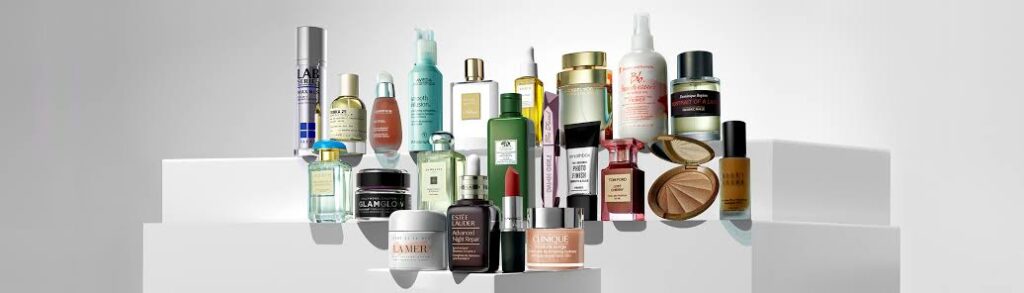


Estée Lauder: A Complete Guide to the Luxury Beauty Brand, Skincare, Makeup, Fragrances, and Global Business!
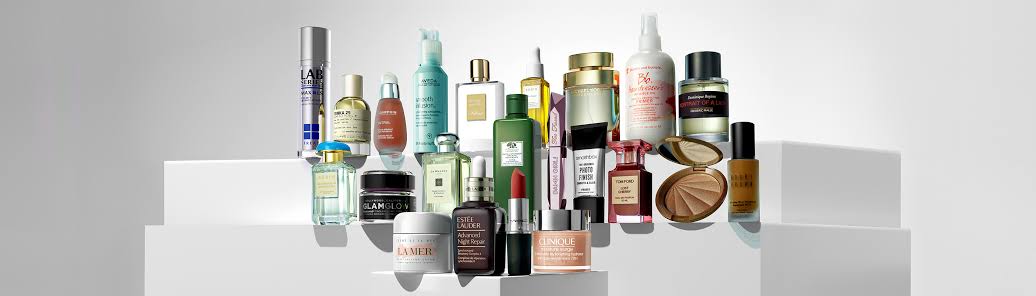
Estée Lauder is one of the world’s most recognised names in prestige beauty. The brand is known for its skincare products, foundations, serums, moisturisers, perfumes, and anti-ageing beauty solutions. It has built a strong reputation by combining beauty innovation, premium product quality, elegant packaging, and personalised customer experiences.
The Estée Lauder brand is part of The Estée Lauder Companies Inc., a global beauty organisation that owns and manages several well-known skincare, makeup, fragrance, and haircare brands. The company serves customers across international markets through department stores, beauty retailers, standalone counters, authorised online platforms, and selected speciality stores.
For many consumers, Estée Lauder represents luxury, confidence, sophistication, and skincare backed by research. Its products appeal to customers looking for premium beauty experiences, effective skincare formulations, and makeup suitable for professional, everyday, and special-occasion use.
The brand’s success is also connected to its ability to understand changing consumer needs. Customers increasingly look for products that suit different skin types, skin tones, climates, and lifestyles. Estée Lauder has developed a broad portfolio to address these needs while maintaining its premium positioning.
2. The History and Founding of Estée Lauder
Estée Lauder was founded in 1946 by Estée Lauder and her husband, Joseph Lauder, in the United States. Estée Lauder had a strong interest in beauty and skincare and believed that women should have access to high-quality products that helped them feel confident.
The business began with a small collection of skincare products. Rather than relying only on traditional advertising, the founders focused on demonstrating products directly to customers and creating personal relationships with them.
One of the company’s important early strategies was offering product demonstrations and samples. These approaches allowed customers to experience the products before purchasing them and helped establish trust in the brand.
The company’s growth reflected Estée Lauder’s belief that beauty products should be supported by personal service. The brand gradually expanded into department stores and international markets, developing a presence in premium retail environments.
Over the decades, Estée Lauder became associated with luxury skincare, sophisticated makeup, and high-end fragrances. Its product portfolio expanded as scientific research, beauty technology, and consumer preferences evolved.
Today, the name continues to represent a major force in the prestige beauty industry, while The Estée Lauder Companies operates a much broader portfolio of brands.
3. The Brand’s Vision and Philosophy
Estée Lauder’s philosophy centres on helping people express their individuality and feel confident through beauty.
The brand combines several important principles:
-
Premium quality: Developing products positioned within the luxury and prestige beauty market.
-
Innovation: Investing in skincare research, product development, and new formulations.
-
Customer experience: Providing personalised product recommendations, demonstrations, and beauty consultations.
-
Brand heritage: Maintaining a connection to the company’s history while adapting to modern consumers.
-
Global appeal: Offering beauty products to customers with different preferences, lifestyles, and skin concerns.
Luxury beauty is not only about the product itself. Packaging, fragrance, texture, presentation, customer service, and brand storytelling also contribute to the overall experience.
Estée Lauder’s ability to bring these elements together has helped it maintain a distinctive position in a competitive industry.
4. Popular Estée Lauder Skincare Products


5 Skincare is one of Estée Lauder’s most important product categories. The brand offers products designed to cleanse, hydrate, protect, and improve the appearance of the skin.
Advanced Night Repair Serum
The Advanced Night Repair serum is one of the brand’s best-known products. It is marketed as a nighttime skincare serum, although it can also be used during the day according to the product instructions.
The serum focuses on hydration and the appearance of smoother, more radiant skin. Its lightweight texture makes it suitable for layering with moisturisers and other skincare products.
Consumers often include it in routines intended to address visible signs of ageing, dehydration, and uneven-looking skin texture. Results vary by individual, and no serum can completely prevent or reverse natural ageing.
Revitalizing Supreme+ Moisturiser
The Revitalizing Supreme+ collection includes moisturisers designed to hydrate the skin and improve its appearance.
Moisturisers help support the skin barrier and reduce dryness. Depending on the formulation, products may contain ingredients that support skin softness, smoothness, and a more supple appearance.
Cleansers and Toners
Cleansers help remove dirt, excess oil, makeup, and sunscreen. Toners and other preparatory products may provide additional hydration or address specific skin concerns.
Choosing products based on skin type is important. Dry or sensitive skin may benefit from gentle, fragrance-conscious formulations, while oily skin may require lighter textures.
Eye Care
The brand also offers eye creams and targeted treatments designed to moisturise the delicate skin around the eyes and improve the appearance of fine lines and tired-looking skin.
Eye products should be applied according to their instructions and kept away from the eyes themselves unless specifically intended for that use.
5. Estée Lauder Makeup Collection


6
Estée Lauder has a strong reputation in premium makeup, particularly foundation products.
Double Wear Foundation
The Double Wear Stay-in-Place Makeup foundation is one of its signature makeup products. It is known for long-wearing coverage and a finish designed to remain in place throughout the day.
Customers may choose different coverage levels and shades depending on their skin tone, skin type, and desired look. Selecting the correct undertone is especially important for a natural finish.
In warm and humid climates, some consumers prefer long-wearing foundations because they can be convenient for work, events, and long days outside. However, preparation, application technique, and individual skin characteristics affect performance.
Lipsticks
Estée Lauder’s lipstick collections include different colours, finishes, and textures. Lipsticks can be used to create subtle daytime looks or more dramatic evening makeup.
Luxury lipstick packaging and colour selection also contribute to the brand’s appeal as a beauty and gifting option.
Other Makeup Products
Depending on the collection and market, the brand’s makeup portfolio includes products such as:
-
Concealers and foundations.
-
Face powders and blush products.
-
Eyeshadows and mascaras.
-
Eyeliner and brow products.
-
Lipsticks and lip treatments.
The purpose of premium makeup is not only to provide colour or coverage but also to offer a carefully developed user experience through texture, shade selection, packaging, and application.
6. Estée Lauder Fragrances
Fragrance is another important category within the wider Estée Lauder beauty portfolio.
Perfumes are often associated with personal identity, memories, mood, and individual style. The brand has offered fragrances in different scent families, including floral, fresh, warm, and woody compositions.
One well-known fragrance is Beautiful. Its romantic floral character has helped it become associated with classic feminine fragrance styling.
Another recognised fragrance is Pleasures, known for its fresh floral direction.
Fragrance preferences are highly personal. A perfume that smells fresh and subtle on one person may develop differently on another because of skin chemistry, temperature, and application.
Customers should ideally test fragrances on their skin and allow time for the initial notes to develop before deciding whether to purchase a full bottle.
7. The Estée Lauder Companies: A Global Beauty Portfolio
The Estée Lauder Companies is the parent organisation behind Estée Lauder and several other prestige beauty brands. Its portfolio has included names such as:
-
Clinique.
-
M·A·C Cosmetics.
-
Bobbi Brown Cosmetics.
-
Jo Malone London.
-
La Mer.
-
Aveda.
Each brand serves a somewhat different audience and market position. Clinique is associated with dermatologist-guided skincare and makeup, M·A·C is known for professional makeup and artistry, while La Mer is positioned in ultra-premium skincare.
This multi-brand structure allows the company to serve different customer segments without relying exclusively on one name.
It also creates opportunities for shared research capabilities, distribution networks, retail relationships, and marketing expertise.
8. Estée Lauder’s Presence in India
India is an important market for beauty brands because consumers increasingly explore skincare, makeup, fragrance, and premium personal-care products.
Indian customers have diverse beauty needs influenced by climate, lifestyle, skin type, skin tone, and personal preferences. Hot weather, humidity, dust, and sun exposure can affect how skincare and makeup products feel and perform.
Estée Lauder appeals to consumers seeking premium skincare, long-wear foundation, luxury fragrances, and gifting options.
Its products may be available through authorised beauty retailers, department-store counters, official brand channels, and selected online platforms, depending on the product and location.
Customers should purchase from reliable sellers to reduce the risk of counterfeit products. It is useful to check packaging, batch information, seller credentials, and the retailer’s return policy.
Premium beauty products may cost more than mass-market alternatives, so consumers should consider their skin needs, product size, frequency of use, and budget before purchasing.
9. Marketing and Brand Positioning
Estée Lauder’s marketing strategy has historically combined luxury presentation, product demonstrations, beauty expertise, and emotional storytelling.
Premium Brand Identity
The brand uses elegant packaging, refined visual presentation, and carefully designed retail displays to communicate quality and sophistication.
These elements help establish a consistent identity across physical stores, online shopping platforms, and promotional campaigns.
Product Sampling and Demonstrations
Sampling has long been associated with the brand’s selling approach. Customers can test a product’s texture, finish, fragrance, or shade before making a purchasing decision.
Beauty consultations can also help customers identify suitable products and develop a skincare or makeup routine.
Digital Marketing
Digital channels enable beauty brands to educate consumers through product videos, tutorials, creator partnerships, targeted campaigns, and online consultations.
For Estée Lauder, digital marketing provides opportunities to explain product benefits, demonstrate application techniques, and engage younger consumers while maintaining its premium identity.
Influencer and Creator Collaborations
Beauty creators can demonstrate products in real-world settings, share makeup techniques, and explain how products fit into different routines.
Authentic demonstrations and clear disclosures of paid partnerships are important for maintaining customer trust.
10. Customer Experience and Retail Strategy
The customer experience plays an important role in luxury beauty.
In a department store or beauty counter, a customer may receive a product demonstration, foundation shade matching, skincare consultation, or fragrance recommendation.
These interactions help transform shopping from a simple transaction into a personalised experience.
Online, customers rely on product descriptions, shade guides, reviews, ingredient information, and tutorials to make decisions.
A strong retail experience should combine product knowledge with honest recommendations. Customers should be informed about how to use products, what results to expect, and whether a product is suitable for their needs.
This is especially important in skincare, where a product’s suitability can vary significantly between individuals.
11. Sustainability and Responsible Beauty
Sustainability has become an important consideration across the beauty industry.
Consumers increasingly pay attention to packaging materials, ingredient sourcing, waste reduction, product durability, and the environmental impact of manufacturing and shipping.
Large beauty companies can influence these areas through packaging design, supply-chain management, manufacturing improvements, and responsible sourcing practices.
However, sustainability claims should be assessed carefully. A product described as environmentally friendly should ideally have clear, verifiable information explaining what makes it more sustainable.
Consumers can contribute by avoiding unnecessary purchases, using products before their expiry or recommended period after opening, and following local recycling guidance for packaging.
For a premium brand, responsible practices can also influence long-term customer trust and reputation.
12. Choosing the Right Estée Lauder Products
The most expensive product is not automatically the best choice for every person. Customers should identify their main concerns and select products accordingly.
For skincare, consider whether the primary need is hydration, sensitivity management, uneven pigmentation, or the appearance of fine lines.
For makeup, consider skin type, desired coverage, undertone, finish, and how long the product needs to last.
For fragrance, explore preferred scent families and test the fragrance before purchasing when possible.
A simple routine may include a gentle cleanser, moisturiser, sunscreen, and one optional targeted treatment. Makeup can then be added according to personal preference.
Avoid buying an entire collection at once. Introducing products gradually makes it easier to identify irritation and determine which items are genuinely useful.
People with persistent skin conditions, allergies, or concerns about strong active ingredients should seek professional guidance.
13. Business Opportunities and Career Scope in the Beauty Industry
Estée Lauder’s success illustrates several broader business opportunities in the beauty sector.
Beauty Retail and Sales
Luxury beauty counters and speciality stores require knowledgeable sales professionals who can explain product features, understand customer needs, demonstrate products, and build lasting relationships.
Brand Marketing
Marketing teams develop campaigns, coordinate product launches, manage social media, and maintain consistent brand communication.
Events and Experiential Marketing
Beauty brands can use product launches, skincare workshops, makeup demonstrations, media events, influencer gatherings, and customer engagement programmes to build awareness.
Such events allow consumers to experience products directly and interact with beauty experts.
Corporate Gifting and Client Engagement
Premium skincare, fragrances, and beauty gift sets may be considered for selected corporate gifting programmes, subject to brand policies, budget, and recipient preferences.
Careful presentation, authentic products, and suitable packaging are important when beauty products are used for gifting.
E-commerce and Customer Service
Online beauty retail creates opportunities in digital merchandising, product education, customer support, order management, and personalised product recommendations.
The sector therefore offers career paths across sales, marketing, retail operations, brand management, event management, and customer experience.
14. The Future of Estée Lauder and Luxury Beauty
The beauty industry continues to evolve as consumers become more informed and digitally connected.
Several trends are likely to remain important: personalised skincare, ingredient transparency, online beauty consultations, inclusive makeup shades, premium fragrance experiences, and more convenient shopping journeys.
Consumers are also increasingly interested in evidence-based skincare and products that fit into manageable daily routines.
Luxury beauty brands must balance heritage with innovation. A recognised name can attract attention, but long-term loyalty depends on product quality, customer experience, appropriate pricing, and the ability to respond to changing expectations.
The growth of online shopping also means brands must create consistent experiences across physical stores, websites, and digital communities.
For Estée Lauder, maintaining its premium positioning while reaching new consumers will remain an important strategic challenge.
Conclusion
Estée Lauder has developed from a small skincare business into one of the best-known names in prestige beauty. Its heritage, signature skincare products, makeup collections, fragrances, and personalised retail experience have contributed to its global recognition.
The brand’s story demonstrates how product development, customer relationships, marketing, and consistent brand identity can support long-term business growth.
For consumers, Estée Lauder offers a range of premium beauty options, but the best product is always the one that suits individual needs, preferences, and budget.
For businesses and aspiring professionals, the brand provides a useful example of luxury positioning, experiential marketing, product storytelling, and customer-focused retail.
Ultimately, beauty is not defined by a particular product or price point. It is about finding products and routines that support personal confidence, comfort, and individual expression.