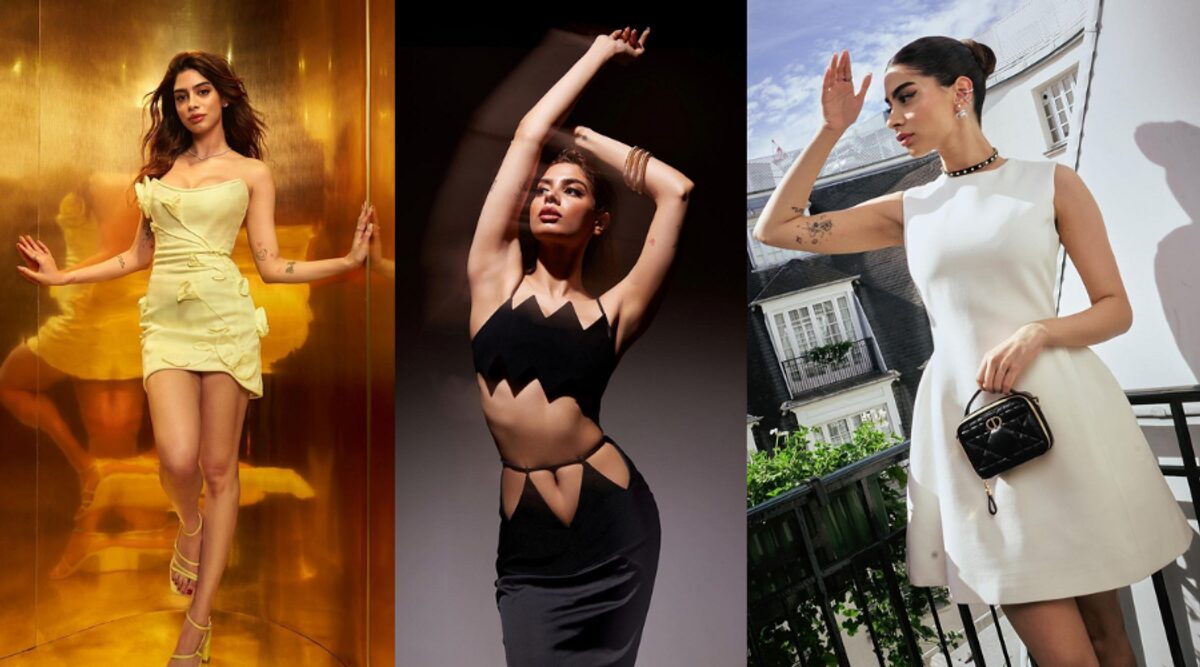




Massimo Dutti: The Story of Timeless Spanish Fashion!

Massimo Dutti is a Spanish fashion brand known for its sophisticated, understated, and timeless approach to clothing. Unlike brands that depend heavily on bold logos, dramatic designs, or rapidly changing trends, Massimo Dutti has built its identity around elegance, quality, simplicity, and refined everyday fashion. The brand offers clothing, footwear, accessories, and fragrances for men and women, with collections designed to fit seamlessly into modern lifestyles.
Founded in Spain, Massimo Dutti has grown from a relatively small menswear label into an internationally recognized fashion brand. Today, it operates as part of the Inditex Group, one of the world’s largest fashion companies, alongside well-known names such as Zara, Pull&Bear, Bershka, Stradivarius, and Oysho. However, Massimo Dutti occupies a distinctive position within the group, targeting consumers who prefer a more mature, sophisticated, and premium fashion experience.
The Beginning of Massimo Dutti
Massimo Dutti was founded in 1985 in Barcelona, Spain. The brand initially focused primarily on men’s fashion. Its early identity was built around classic menswear, offering garments that combined traditional tailoring with a relaxed Mediterranean sensibility.
The name “Massimo Dutti” has an Italian-sounding character, which helped communicate a European and sophisticated image. Although the company originated in Spain, its branding and design language were created to appeal to consumers looking for an international style.
During its early years, Massimo Dutti concentrated on men’s clothing, particularly shirts, trousers, jackets, knitwear, and other wardrobe essentials. Rather than chasing extreme fashion trends, the brand emphasized garments that could remain relevant for several seasons.
This approach became one of the most important characteristics of Massimo Dutti. Its collections were designed around versatility. A shirt could be worn at the office or during a weekend outing, while a tailored jacket could work with formal trousers or casual denim.
Becoming Part of Inditex
A major turning point in Massimo Dutti’s history came when it became part of Inditex. This gave the brand access to a powerful international retail and supply-chain infrastructure.
Inditex had already demonstrated its ability to expand fashion brands across international markets. With this support, Massimo Dutti was able to increase its store presence and reach customers beyond Spain.
Being part of Inditex also gave Massimo Dutti access to sophisticated logistics, retail management, technology, and global distribution capabilities. At the same time, the brand maintained its own identity rather than simply becoming another version of Zara.
This distinction has been important to its success.
While Zara is widely associated with rapidly changing fashion trends and accessible contemporary clothing, Massimo Dutti generally presents itself as more refined and premium. The stores, packaging, photography, product presentation, and customer experience all contribute to this positioning.
The Massimo Dutti Design Philosophy
The design philosophy of Massimo Dutti can be described through a few key ideas: simplicity, elegance, versatility, quality, and timelessness.
The brand frequently uses neutral and natural tones such as beige, white, navy, grey, brown, black, and earthy shades. These colors make the garments easy to combine and allow customers to create wardrobes that do not depend on seasonal trends.
Tailoring is another important part of the brand’s identity. Jackets, trousers, coats, shirts, and knitwear are often presented with clean silhouettes and relatively restrained detailing.
Instead of large logos, Massimo Dutti tends to focus on fabric, construction, texture, and cut.
This creates a quiet form of luxury. The customer does not necessarily need to display a large brand name to communicate a sense of style. The clothing itself is intended to create that impression.

Men’s Fashion
Men’s fashion remains an important part of Massimo Dutti’s heritage.
The brand’s menswear collections commonly include tailored jackets, suits, shirts, chinos, trousers, polo shirts, knitwear, coats, leather products, and casual pieces.
One of its strengths is the ability to combine formal and casual elements.
For example, a tailored blazer can be combined with a simple T-shirt and sneakers. Similarly, a traditional shirt can be worn with jeans instead of formal trousers. This creates a modern wardrobe that can adapt to different situations.
Massimo Dutti’s menswear often appeals to professionals and consumers who want to look polished without appearing overly formal.
The brand’s approach is particularly relevant to modern workplaces, where traditional business clothing has increasingly been replaced by smart-casual styles.
Women’s Fashion
Massimo Dutti later expanded significantly into women’s fashion, allowing the brand to become a broader lifestyle label.
Women’s collections include dresses, blouses, shirts, trousers, skirts, coats, jackets, knitwear, leather pieces, footwear, handbags, and accessories.
The women’s collections follow the same principles of understated sophistication.
Rather than relying on excessive decoration, the brand frequently emphasizes silhouettes, fabric quality, neutral colors, and elegant proportions.
A Massimo Dutti wardrobe can therefore include pieces that work across different occasions—from professional environments to dinners, travel, and everyday activities.
The Importance of Materials
Materials play a major role in Massimo Dutti’s brand image.
Leather, wool, linen, cotton, cashmere, and other premium-feeling materials are frequently associated with its collections. The emphasis on texture helps reinforce the brand’s more sophisticated positioning.
For many customers, the attraction of Massimo Dutti is not simply the appearance of an item but how it feels and fits.
A wool coat, leather jacket, linen shirt, or finely knitted sweater can become a long-term wardrobe piece rather than something purchased purely because it is currently fashionable.
This supports the brand’s broader philosophy of timeless fashion.
The Store Experience
Massimo Dutti’s physical stores are an important part of its identity.
The stores generally use sophisticated interiors, carefully controlled lighting, neutral colors, natural materials, and elegant product displays. The objective is to create an environment that feels closer to a premium fashion boutique than a conventional fast-fashion store.
The customer experience extends beyond the clothing.
Music, lighting, fragrance, architecture, packaging, and visual merchandising all contribute to the perception of the brand.
This is particularly important because fashion is not only about products. It is also about emotion and lifestyle.
Massimo Dutti’s stores attempt to communicate a particular lifestyle: sophisticated, urban, European, comfortable, and confident.
Branding Without Excessive Logos
One of Massimo Dutti’s strongest branding strategies is its relatively restrained use of logos.
In a fashion market where large logos have become an important part of many brands’ identities, Massimo Dutti often chooses a quieter approach.
This allows consumers to communicate sophistication without making the brand itself the central focus of their outfit.
The strategy also contributes to the brand’s timelessness. A simple jacket or sweater without a large seasonal logo is less likely to look dated after a few years.
Massimo Dutti and the Premium Segment
Massimo Dutti occupies an interesting position between traditional fast fashion and luxury fashion.
Its products are generally more expensive than many mainstream high-street brands, but they remain considerably more accessible than luxury fashion houses.
This creates an attractive middle ground.
Customers who want premium-looking clothing but do not want to spend luxury-brand prices can find an alternative in Massimo Dutti.
The brand therefore competes with various contemporary fashion labels that emphasize quality and sophistication rather than extreme trend-driven design.
Digital Transformation
Like almost every major fashion retailer, Massimo Dutti has increasingly invested in digital commerce.
Online shopping allows customers to browse collections, compare products, check sizes, and purchase items without visiting a physical store.
Digital platforms have also changed the way fashion brands communicate with customers.
Instead of relying only on magazines, billboards, and store displays, brands can now use websites, social media, digital campaigns, influencers, video content, and online storytelling.
Massimo Dutti has used highly polished photography and editorial-style campaigns to communicate its visual identity digitally.
The online experience generally follows the same principles as the physical stores: minimalism, clean presentation, and sophisticated styling.
Social Media and Visual Identity
Social media has become a significant part of modern fashion marketing.
For Massimo Dutti, platforms such as Instagram provide an opportunity to communicate its lifestyle-oriented identity through carefully produced imagery.
Rather than simply showing individual products, fashion campaigns can create entire worlds around the clothing.
Architecture, travel, art, nature, interiors, and urban environments can become part of the brand’s visual storytelling.
This approach is particularly effective for Massimo Dutti because its products are closely connected to a lifestyle of understated elegance.

Sustainability and Changing Consumer Expectations
Sustainability has become increasingly important in the fashion industry.
Consumers are becoming more aware of the environmental impact of clothing production, including water consumption, waste, raw materials, transportation, and garment disposal.
Massimo Dutti, as part of Inditex, operates within the group’s broader sustainability initiatives.
The fashion industry continues to face pressure to improve the use of materials, reduce environmental impact, improve supply-chain transparency, and encourage more responsible consumption.
For Massimo Dutti, the concept of timeless clothing can also support a more durable approach to fashion. When consumers purchase versatile pieces that remain wearable for longer periods, clothing does not necessarily need to be replaced every few weeks.
However, the broader fashion industry still faces significant challenges, and sustainability remains an ongoing process rather than a completed goal.
Global Expansion
Massimo Dutti has expanded far beyond its Spanish origins.
Its international presence has allowed the brand to reach consumers across Europe, Asia, the Middle East, and other global markets.
International expansion has required the brand to maintain its core identity while adapting to different consumer preferences, climates, shopping habits, and cultural environments.
This balance is challenging.
A fashion brand needs to feel consistent enough to be recognizable while remaining relevant to customers in different markets.
Massimo Dutti has generally achieved this by maintaining its central design philosophy while adjusting collections and retail strategies according to market requirements.
The Appeal to Modern Consumers
The modern consumer increasingly values versatility.
People may work in offices, work remotely, travel frequently, attend social events, and move between formal and casual environments during the same week.
This has created demand for clothing that can perform across multiple situations.
Massimo Dutti’s smart-casual approach fits well into this lifestyle.
A single wardrobe can contain tailored trousers, knitwear, linen shirts, leather shoes, casual sneakers, coats, and simple dresses that can be combined in different ways.
The result is fashion that feels practical without becoming boring.
Competition
Massimo Dutti operates in a highly competitive fashion industry.
It competes with brands across several categories, including premium high-street retailers, contemporary fashion companies, and accessible luxury labels.
Its challenge is to justify its higher price positioning while continuing to provide products that consumers consider valuable.
The brand therefore relies heavily on design, materials, store experience, brand image, and customer loyalty.
Its greatest advantage may be its ability to combine the scale and efficiency of Inditex with a more sophisticated brand identity.
The Future of Massimo Dutti
The future of Massimo Dutti will likely depend on its ability to remain relevant without abandoning the qualities that made the brand successful.
Fashion is constantly changing, but Massimo Dutti’s strength comes from not changing too dramatically.
The brand can continue developing modern silhouettes, sustainable materials, digital experiences, and new retail concepts while maintaining its emphasis on elegance and quality.
Technology will also play an increasingly important role.
Online personalization, digital shopping experiences, improved inventory management, data-driven product development, and new forms of customer engagement are likely to influence the fashion industry significantly.
At the same time, physical stores will continue to matter because fashion is an experience. Customers want to see fabrics, feel materials, try on garments, and experience the environment of a brand.

Conclusion
Massimo Dutti represents a distinctive interpretation of modern European fashion.
From its beginnings as a Spanish menswear brand in 1985, it has developed into an international fashion label offering clothing and accessories for both men and women. Its success has been built around a clear philosophy: understated elegance, versatility, quality, and timeless design.
Its connection with Inditex has provided the infrastructure needed for global expansion, while the brand has maintained a distinct identity separate from the group’s more trend-focused labels.
Massimo Dutti’s appeal lies in its ability to make everyday clothing feel sophisticated. A simple shirt, tailored jacket, wool coat, leather bag, or pair of trousers can become a powerful expression of personal style when designed and presented thoughtfully.
In an industry often dominated by rapidly changing trends, Massimo Dutti offers a different proposition. It encourages consumers to invest in a refined wardrobe built around pieces that can remain relevant beyond a single season.
That balance between accessibility and premium positioning, tradition and modernity, and simplicity and sophistication is what continues to define Massimo Dutti as one of the notable names in contemporary European fashion.