



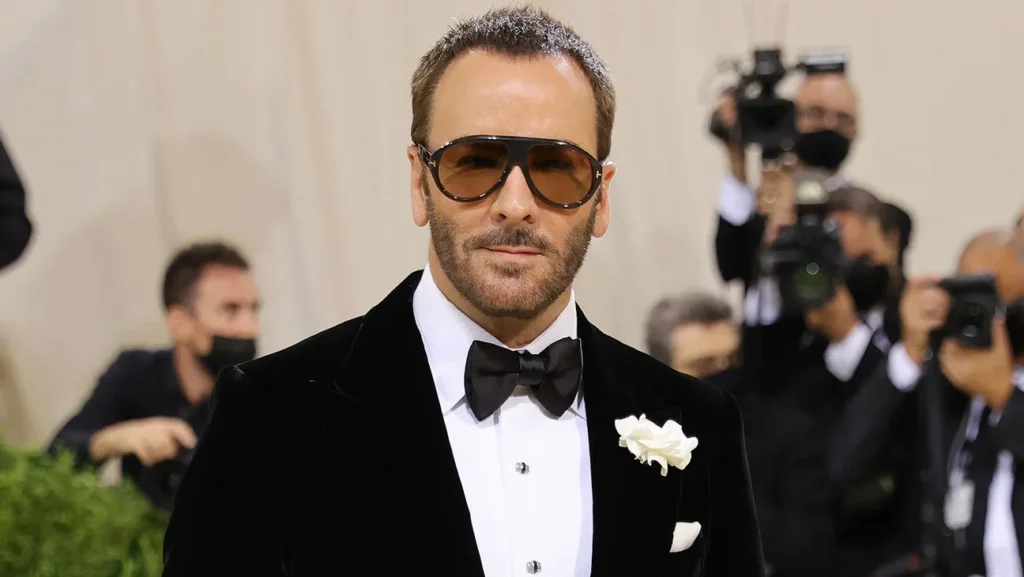


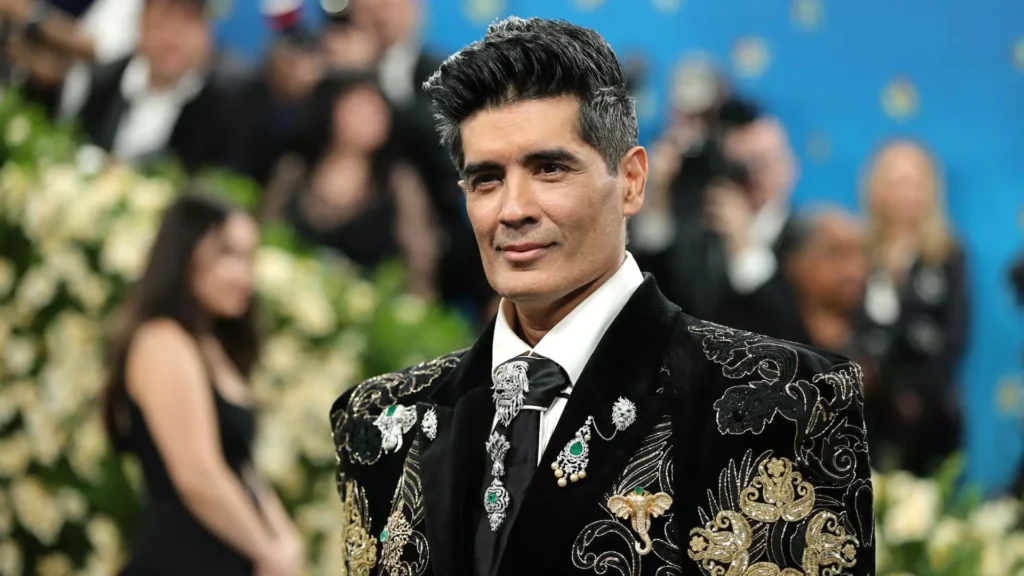
Tom Ford: The Visionary Who Redefined Modern Luxury and Fashion Glamour!

The luxury fashion industry has seen many influential designers, but only a few have completely transformed global fashion culture through creativity, branding, and bold artistic vision. Among these legendary figures, Tom Ford stands as one of the most powerful and respected names in contemporary fashion.
Known for his sophisticated tailoring, sensual aesthetics, cinematic glamour, and modern luxury branding, Tom Ford revolutionized the fashion industry during the 1990s and early 2000s. His work helped revive struggling luxury brands, redefine modern menswear and womenswear, and establish a new standard of luxury advertising and fashion presentation.
Today, the Tom Ford label is associated with elegance, confidence, power, sexuality, and refined sophistication. From luxury suits and eveningwear to fragrances, eyewear, cosmetics, and accessories, the brand represents one of the strongest identities in global luxury fashion.
Tom Ford’s journey from a young creative student to one of the world’s most influential designers reflects ambition, artistic brilliance, and exceptional understanding of modern luxury culture.
Early Life and Education
Tom Ford was born in 1961 in Austin and spent part of his childhood in Santa Fe. From a young age, he showed strong interest in art, design, architecture, and visual aesthetics.
Initially, Tom Ford studied art history at New York University before shifting his focus toward architecture and design at Parsons School of Design.
His background in architecture significantly influenced his later fashion work. Many of his designs reflect:
- Clean structure
- Precise tailoring
- Geometric elegance
- Strong silhouettes
- Minimal yet luxurious aesthetics
Before entering fashion, Ford also explored acting and advertising, experiences that later helped shape his strong understanding of branding and visual storytelling.
Early Career in Fashion
Tom Ford began his fashion career working with American designer Cathy Hardwick and later with Perry Ellis.
Although talented, Ford initially struggled to gain major recognition in the industry. However, his life changed dramatically when he joined Gucci in 1990.
At that time, Gucci was facing serious financial and creative difficulties. The brand had lost much of its luxury prestige and struggled to remain relevant in the global fashion market.
Tom Ford’s arrival would completely transform Gucci’s future.
Revolutionizing Gucci
One of the most important achievements of Tom Ford was the revival of Gucci during the 1990s.
Ford introduced a bold new aesthetic that combined:
- Sexual glamour
- Luxury minimalism
- Sharp tailoring
- Velvet textures
- Bold cuts
- Hollywood-inspired sophistication
His collections brought excitement and desirability back to the brand.
Under Tom Ford’s creative leadership, Gucci became known for:
- Provocative advertising
- Sensual runway presentations
- Modern luxury styling
- High-fashion glamour
The designer transformed Gucci into one of the most successful luxury brands in the world.
Fashion campaigns featuring celebrities, dramatic photography, and glamorous styling helped establish a new era of luxury branding.
Ford’s influence at Gucci was so powerful that many fashion historians credit him with saving the company from decline.

The Tom Ford Aesthetic
The design identity of Tom Ford became instantly recognizable.
His fashion philosophy emphasized:
- Confidence
- Sexuality
- Power
- Luxury
- Sophistication
- Precision tailoring
Tom Ford designs often feature:
- Sharp suits
- Deep necklines
- Velvet jackets
- Silk shirts
- Luxurious fabrics
- Dark glamorous tones
Unlike overly artistic or abstract fashion, Tom Ford’s work focuses on making people look confident, attractive, and powerful.
His aesthetic strongly influenced global fashion trends during the late 1990s and early 2000s.
Yves Saint Laurent and Expanding Influence
In addition to Gucci, Tom Ford also became creative director of Yves Saint Laurent after Gucci acquired the brand.
At Yves Saint Laurent, Ford attempted to modernize the historic fashion house while preserving its iconic Parisian elegance.
Although his work at YSL received mixed reactions from critics, it further strengthened his reputation as one of fashion’s most influential creative directors.
Managing two luxury brands simultaneously demonstrated Ford’s exceptional creative and business abilities.
Launch of the Tom Ford Brand
After leaving Gucci in 2004, Tom Ford launched his own luxury label, Tom Ford.
Rather than rushing into full-scale fashion immediately, Ford strategically entered the market through:
- Luxury eyewear
- Beauty products
- Fragrances
- Menswear
This careful brand-building approach helped establish Tom Ford as an ultra-premium luxury label.
The brand quickly became known for:
- Exceptional tailoring
- Elegant menswear
- Sophisticated fragrances
- Minimal luxury aesthetics
- High-end craftsmanship
Today, Tom Ford is one of the most respected names in modern luxury fashion.
Tom Ford Menswear
One of the strongest areas of the Tom Ford is menswear.
Tom Ford suits are globally admired for:
- Sharp tailoring
- Luxurious fabrics
- Perfect fitting
- Modern sophistication
- Masculine elegance
The brand became especially popular among:
- Hollywood actors
- Business executives
- Politicians
- Celebrities
- Fashion enthusiasts
Ford’s tailoring philosophy combines classic elegance with modern glamour.
His menswear collections reflect confidence and refined masculinity, making them highly desirable in luxury fashion markets.
Tom Ford and Hollywood
Hollywood has played a major role in Tom Ford’s success.
Celebrities frequently wear Tom Ford designs at:
- Award shows
- Film premieres
- Fashion events
- Red carpet appearances
Notable celebrities associated with Tom Ford include:
- Brad Pitt
- George Clooney
- Beyoncé
- Jennifer Lopez
- Daniel Craig
Tom Ford suits also became strongly associated with the James Bond film series, especially through actor Daniel Craig.
This connection strengthened the brand’s image of sophistication, masculinity, and elegance.
Fragrances and Beauty
One of the most commercially successful divisions of the Tom Ford brand is its fragrance business.
Popular fragrances include:
- Tom Ford Black Orchid
- Tom Ford Oud Wood
- Tom Ford Tobacco Vanille
- Tom Ford Neroli Portofino
These perfumes became highly respected for their:
- Unique compositions
- Luxurious packaging
- Sophisticated branding
- Premium ingredients
Tom Ford fragrances helped redefine luxury perfume marketing by emphasizing sensuality, exclusivity, and artistic sophistication.
The brand also expanded successfully into beauty and cosmetics.
Tom Ford as a Film Director
In addition to fashion, Tom Ford became a successful film director.
He directed critically acclaimed films including:
- A Single Man
- Nocturnal Animals
These films reflected Ford’s strong visual style and artistic sophistication.
His work in cinema demonstrated that his creativity extended beyond fashion into storytelling and visual direction.
The films were praised for:
- Cinematography
- Emotional depth
- Aesthetic precision
- Artistic storytelling
Ford’s success in filmmaking further strengthened his cultural influence.

Branding and Luxury Marketing Genius
One reason Tom Ford became so influential is his exceptional understanding of luxury branding.
He mastered:
- Visual storytelling
- Celebrity marketing
- Fashion photography
- Emotional luxury branding
- Minimalist sophistication
Tom Ford advertisements are often dramatic, sensual, and visually striking.
The brand communicates luxury not only through products but through lifestyle imagery and aspirational identity.
Ford understood that modern luxury consumers buy emotions, confidence, and identity alongside products.
This branding expertise became one of his greatest strengths.
Influence on Modern Fashion
The influence of Tom Ford on modern fashion is enormous.
He helped popularize:
- Slim tailoring
- Luxury minimalism
- Sensual glamour
- Modern menswear sophistication
- Cinematic fashion presentation
Many contemporary designers and brands were inspired by Ford’s work at Gucci and his personal label.
His approach to luxury branding also changed how fashion companies market themselves globally.
Challenges and Criticism
Despite his success, Tom Ford has also faced criticism.
Provocative Advertising
Some campaigns were criticized for being overly sexualized.
Luxury Pricing
Tom Ford products are extremely expensive and accessible mainly to wealthy consumers.
Commercialization
Critics sometimes argue that modern luxury fashion prioritizes branding over craftsmanship.
However, Ford’s strong creative vision and quality standards continue to earn respect within the industry.
Sustainability and Modern Luxury
Like many luxury brands, Tom Ford has increasingly focused on sustainability and ethical practices.
The brand explores:
- Responsible sourcing
- Sustainable materials
- Eco-conscious packaging
- Long-lasting product quality
Modern luxury consumers increasingly value environmental responsibility, and brands must adapt accordingly.
Tom Ford’s focus on timeless products naturally supports slower and more sustainable fashion consumption.
Why Tom Ford Remains Iconic
Several factors explain why Tom Ford continues to hold legendary status in fashion.
Strong Visual Identity
His aesthetic is instantly recognizable.
Luxury Branding Excellence
Ford mastered the psychology of aspirational luxury.
Fashion Innovation
He modernized major luxury brands successfully.
Hollywood Influence
Celebrity associations strengthened global visibility.
Timeless Sophistication
His designs combine glamour with elegance.
The Future of the Brand
The future of Tom Ford appears focused on continuing luxury expansion while maintaining exclusivity and refinement.
The brand is likely to grow in:
- Beauty products
- Fragrances
- Menswear
- Digital luxury experiences
- International markets
Even as fashion trends evolve, Tom Ford’s influence on luxury aesthetics and branding will remain significant.
Conclusion
Tom Ford is far more than a fashion designer. He is one of the defining creative forces of modern luxury fashion.
From reviving Gucci and modernizing luxury branding to building his own globally respected label, Tom Ford transformed the way fashion communicates glamour, confidence, and sophistication.
His work combines elegance, sensuality, cinematic storytelling, and exceptional craftsmanship in ways that continue to influence designers, celebrities, and luxury consumers worldwide.
Today, the Tom Ford name represents timeless sophistication, modern luxury, and bold creative vision — securing his place as one of the most important fashion icons of contemporary history.