





Swarovski: The Art of Crystal, Luxury and Modern Glamour!
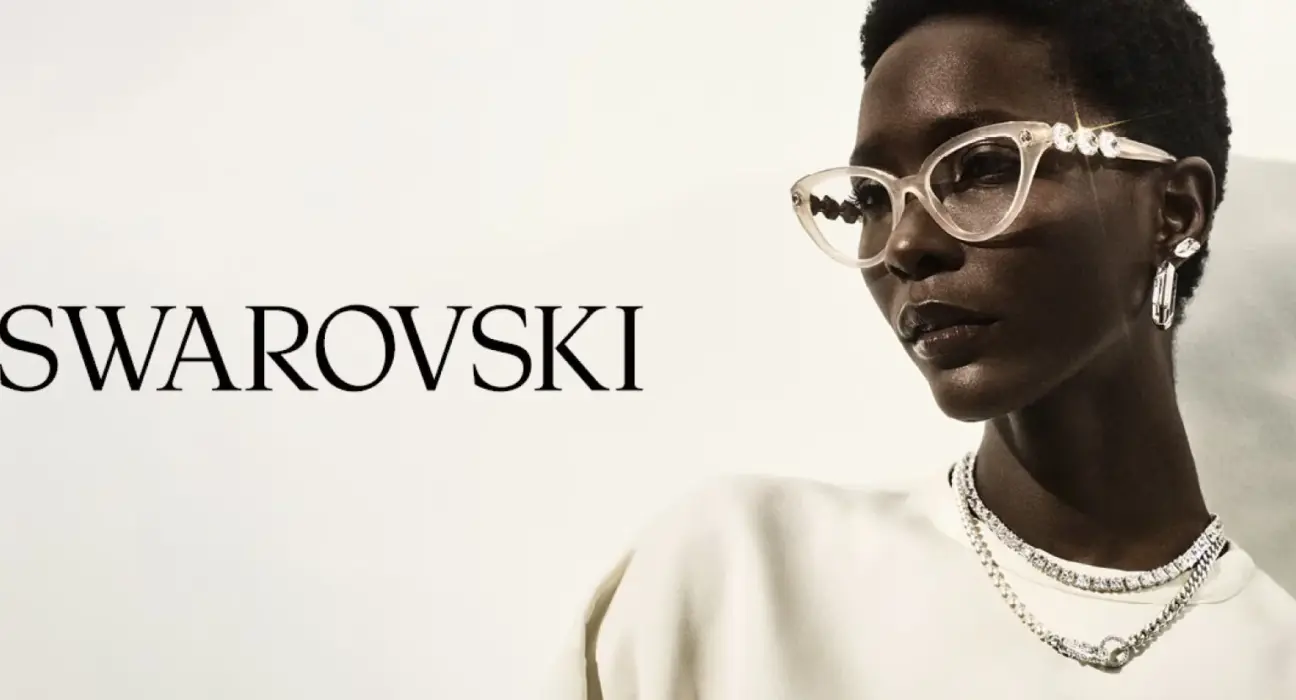
Few names have transformed the world of crystal into a global symbol of glamour quite like Swarovski. Recognised for its dazzling crystals, sophisticated jewellery, distinctive designs, and extraordinary craftsmanship, Swarovski has spent more than a century creating objects that capture and reflect light in unforgettable ways.
From elegant necklaces and statement earrings to watches, figurines, home décor, and spectacular artistic installations, Swarovski has continuously demonstrated that crystal can be far more than a decorative material. Through precision cutting, innovative design, and an unmistakable visual identity, the brand has created its own category at the intersection of fashion, jewellery, art, and luxury.
Today, Swarovski is recognised around the world for its ability to turn everyday moments into something extraordinary. Its pieces are designed to sparkle, but the brand’s story goes much deeper than brilliance. It is a story of innovation, craftsmanship, creativity, and the constant pursuit of beauty.
The Origins of Swarovski
The Swarovski story began in 1895 when Daniel Swarovski, a Bohemian-born inventor and visionary, founded the company in Wattens, Austria.
Daniel Swarovski had an ambitious idea: he wanted to make crystal accessible to a wider audience while achieving a level of precision and brilliance that had previously been difficult to achieve.
His breakthrough came through the development of a machine that could cut crystal with exceptional precision. Instead of relying entirely on traditional hand-cutting techniques, Swarovski’s approach allowed crystal to be produced with remarkable consistency.
This innovation changed the possibilities of crystal manufacturing.
The company established itself in Austria and gradually developed a reputation for producing highly precise, beautifully cut crystals. Swarovski’s technology allowed designers to experiment with shapes, facets, reflections, and colours in ways that opened new creative possibilities.
The fundamental idea behind the company remains remarkably relevant today: technology and craftsmanship can work together to create beauty.
The Swarovski Crystal
The heart of the Swarovski brand is its crystal.
Unlike naturally occurring gemstones, Swarovski crystal is manufactured using carefully controlled processes designed to create consistency, clarity, and brilliance.
The company’s expertise lies not simply in producing crystal but in cutting and finishing it so that it interacts with light in a distinctive way.
A Swarovski crystal can contain numerous facets, each carefully positioned to reflect and refract light. When light reaches the surface, it is broken into sparkling reflections that give the material its characteristic appearance.
This relationship between light and crystal has always been central to the Swarovski identity.
The result is a material that can transform an otherwise simple piece of jewellery or decorative object into something visually dramatic.
From Crystal Cutting to Fashion
Swarovski’s early technological achievements created the foundation for its expansion into fashion and jewellery.
Over the decades, Swarovski crystals appeared in clothing, accessories, costumes, footwear, jewellery, and theatrical designs.
Fashion designers discovered that crystal could provide the visual impact of precious gemstones while allowing much greater freedom in colour, shape, and quantity.
Swarovski became particularly important in the world of stage and performance costumes. Under theatrical lighting, crystals could produce spectacular reflections, making performers appear to shimmer as they moved.
This connection between Swarovski and performance eventually expanded into film, music, dance, and entertainment.
Crystal became a visual language of glamour.
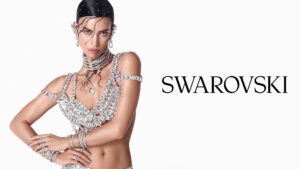
Swarovski and Hollywood Glamour
Swarovski has had a long association with the entertainment industry.
Crystal embellishment has appeared on red carpets, in music performances, films, television productions, and elaborate stage costumes.
For celebrities and designers, Swarovski crystals offer an opportunity to create dramatic visual effects without being limited to conventional gemstone shapes.
Costumes covered in crystals can catch spotlights from across an arena. Jewellery can produce intense flashes of light as the wearer moves. Accessories can become statement pieces that immediately attract attention.
This relationship between Swarovski and entertainment has helped position the brand as a symbol of celebration and spectacle.
The Swarovski Swan
One of the most recognisable symbols associated with Swarovski is the swan.
Elegant, graceful, and visually distinctive, the swan has become closely connected with the Swarovski identity.
The symbol reflects qualities that are central to the brand: elegance, beauty, transformation, and sophistication.
Over time, the Swarovski swan has appeared across packaging, boutiques, advertising campaigns, jewellery, and collectibles.
Like the Tiffany Blue Box, the swan demonstrates the power of visual branding. A recognisable symbol can communicate an entire brand identity without requiring lengthy explanation.
Swarovski Jewellery
Jewellery remains one of Swarovski’s most important categories.
The brand offers necklaces, earrings, bracelets, rings, brooches, and other accessories featuring its signature crystals.
One of Swarovski’s strengths is its ability to offer jewellery in a wide variety of styles.
Some pieces are delicate and minimalist, designed for everyday wear. Others are dramatic statement pieces intended for parties, celebrations, or evening occasions.
This versatility has helped Swarovski appeal to a broad audience.
Rather than positioning crystal jewellery exclusively as formal luxury, the brand has made sparkle part of everyday fashion.
A simple pair of crystal earrings can elevate a work outfit. A statement necklace can transform an evening dress. A crystal bracelet can become a subtle finishing detail.
This combination of accessibility and glamour is a major part of Swarovski’s appeal.
The Art of Light and Reflection
The most fascinating element of Swarovski jewellery is often the way it interacts with light.
Crystal is inherently visual. Its appearance changes depending on the environment, lighting conditions, movement, and surrounding colours.
A crystal necklace can look subtle in soft daylight and dramatically brilliant under evening lighting.
This makes Swarovski jewellery particularly dynamic.
The brand’s designers carefully consider facets, shapes, colours, and settings to maximise the interaction between crystal and light.
In many ways, Swarovski jewellery is not simply designed as an object. It is designed as an experience of light.

Swarovski Figurines and Collectibles
Swarovski is also famous for its crystal figurines.
Beginning in the 1970s, the company developed a successful collection of miniature crystal sculptures depicting animals, characters, flowers, and other subjects.
These pieces transformed Swarovski crystal into a form of collectible art.
Collectors around the world began purchasing figurines not only because of their beauty but also because of their limited availability and craftsmanship.
Animals such as swans, horses, birds, elephants, and other creatures became particularly popular.
For many collectors, Swarovski figurines represent memories, milestones, and personal interests.
A crystal figurine may be purchased as a birthday gift, wedding present, anniversary keepsake, or simply as an addition to a collection.
Swarovski in Home Décor
The brand’s relationship with interior design has also grown over time.
Crystal objects can add sparkle and sophistication to living spaces. Swarovski’s home-related pieces demonstrate that crystal does not have to remain limited to personal accessories.
Decorative sculptures, ornaments, candleholders, and other objects can bring the reflective qualities of crystal into interiors.
Because crystal interacts strongly with lighting, these objects can change appearance throughout the day.
Natural sunlight creates one effect, while artificial evening lighting produces another.
This ability to interact with an environment makes crystal particularly interesting as a decorative material.
Swarovski and Contemporary Fashion
Swarovski has successfully remained relevant by continually collaborating with the fashion world.
Contemporary fashion increasingly values experimentation, exaggerated silhouettes, unusual materials, and statement accessories.
Crystal fits naturally into this environment.
Designers can use thousands of crystals to create dramatic surfaces, embellish garments, or create accessories that become the centrepiece of an outfit.
Swarovski has therefore become more than a jewellery brand. It is a creative partner for designers working across fashion and entertainment.
The brand’s crystals have appeared in high-fashion collections and spectacular costumes, demonstrating their versatility beyond conventional jewellery.
The Swarovski Crystal Worlds Experience
One of the most unique expressions of the Swarovski identity can be found at Swarovski Kristallwelten, or Swarovski Crystal Worlds, in Wattens, Austria.
Created as an immersive experience, it presents crystal through art, design, architecture, and imagination.
Instead of simply displaying jewellery in traditional showcases, the experience explores the emotional and visual possibilities of crystal.
Visitors encounter artistic installations, extraordinary spaces, and creative interpretations of Swarovski’s signature material.
This demonstrates an important aspect of the Swarovski philosophy: crystal is not merely a product.
It can be architecture.
It can be art.
It can be fashion.
It can be technology.
It can be an immersive experience.
Swarovski and Innovation
Innovation has been part of Swarovski’s DNA since the company’s foundation.
Daniel Swarovski’s original cutting technology represented a major technological breakthrough. The company has continued to invest in manufacturing expertise and design innovation throughout its history.
Modern crystal production requires considerable precision.
Every stage, from shaping and cutting to polishing and finishing, contributes to the final appearance of the crystal.
Innovation also plays a role in colour development, surface effects, coatings, and new forms.
The ability to continually experiment with the material allows Swarovski designers to keep creating new visual possibilities.
Sustainability and the Future of Crystal
Like many modern luxury and fashion brands, Swarovski has increasingly focused on sustainability and responsible business practices.
Consumers today are more conscious of the environmental and social impact of the products they purchase.
For a company working with crystal, packaging, manufacturing, energy consumption, and supply chains are important areas of consideration.
Swarovski has taken steps toward improving sustainability across its business, including efforts related to responsible production and environmental performance.
The future of luxury is increasingly connected to responsible innovation.
Brands need to demonstrate that beauty and creativity can coexist with greater environmental awareness.
Swarovski and the New Generation of Luxury Consumers
Luxury is changing.
Younger consumers often approach luxury differently from previous generations.
They may care about design and brand heritage, but they also value individuality, self-expression, social media presence, cultural relevance, and experiences.
Swarovski’s visual nature makes it particularly well suited to the digital age.
Crystal photographs beautifully.
Jewellery catches light on camera.
Statement pieces create strong social media imagery.
The swan logo is instantly recognisable.
This has allowed Swarovski to maintain a strong presence across digital platforms while introducing its heritage to new audiences.
The Meaning of Sparkle
At first glance, Swarovski may appear to be simply about sparkle.
But sparkle has an emotional dimension.
People are naturally attracted to light and reflection. A sparkling object can communicate celebration, glamour, optimism, and joy.
This is why crystal works particularly well for special occasions.
Weddings, birthdays, festivals, parties, anniversaries, and other celebrations are moments when people often want something visually beautiful.
Swarovski has built its identity around this emotional connection.
Its products are designed not merely to be seen but to create a feeling.
Swarovski as an Expression of Personal Style
One of Swarovski’s greatest strengths is its versatility.
A customer can choose a tiny crystal pendant for subtle elegance or a dramatic statement necklace for a more expressive look.
This allows Swarovski to function as both an accessory brand and a form of personal expression.
Jewellery does not simply complete an outfit.
It can communicate personality.
Someone may choose understated crystal pieces because they prefer minimalism. Another person may select bold, colourful designs because they enjoy making a statement.
Swarovski provides options for both.
The Future of Swarovski
As Swarovski moves forward, its challenge will be balancing heritage with innovation.
The brand has a remarkable history, but heritage alone cannot guarantee future relevance.
Modern customers expect brands to evolve.
Swarovski’s future will likely continue to involve collaborations, fashion, technology, sustainability, experiential retail, and new interpretations of crystal.
The company’s greatest advantage is the versatility of its core material.
Crystal can be reimagined endlessly.
It can be traditional or futuristic.
Minimalist or extravagant.
Fashionable or artistic.
Personal or architectural.
That flexibility gives Swarovski enormous creative potential.
Conclusion
Swarovski has transformed crystal from a decorative material into a global language of glamour.
Since Daniel Swarovski founded the company in 1895, the brand has combined precision technology with artistic creativity to create a distinctive place in the world of fashion, jewellery, entertainment, and design.
Its sparkling crystals have appeared on jewellery, clothing, costumes, accessories, interiors, collectibles, and spectacular artistic installations.
The Swarovski swan has become an instantly recognisable symbol, while the company’s commitment to precision cutting has remained at the heart of its identity.
But perhaps Swarovski’s most enduring achievement is its ability to make people feel something through light.
A crystal catches the eye.
It reflects movement.
It creates sparkle.
And for a moment, an ordinary object can feel extraordinary.
That is the essence of Swarovski.
It is not simply about crystal. It is about imagination, craftsmanship, self-expression, and the belief that everyday life deserves a little more brilliance.
From a small Austrian workshop to a globally recognised name in fashion and luxury, Swarovski continues to demonstrate the extraordinary possibilities that emerge when technology, creativity, and beauty come together.
Its story is ultimately a story about light—and the endless ways that light can be transformed into art.