







New GST Rate Cuts Gold Prices: Latest Gold, Silver, and Jewelry Rates (2025 Update)!
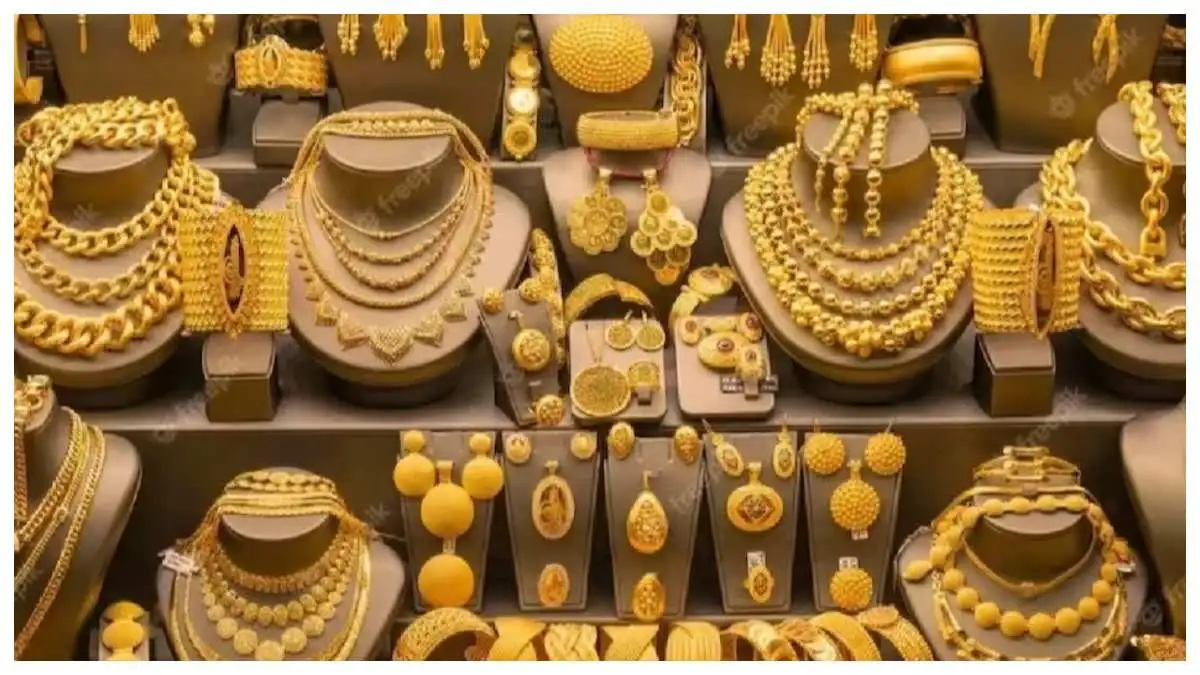
The year 2025 has brought significant changes to India’s taxation landscape, and one of the most closely watched developments is the Goods and Services Tax (GST) rate cut announced by the government. With the new GST reforms aiming to simplify the tax structure and boost consumer spending, the jewelry industry — particularly gold and silver — has once again taken center stage. As Indians have a deep emotional and cultural connection with gold and silver, any fluctuation in tax rates immediately impacts market prices, consumer behavior, and the overall economy. Let’s look into how the new GST rate cuts are shaping gold, silver, and jewelry prices across the country in 2025.
1. GST Reform 2025: What Changed?
In early 2025, the GST Council approved a set of revisions to streamline India’s indirect tax structure. The key goal was to reduce the number of tax slabs and simplify compliance for businesses. Many sectors received much-needed relief with tax cuts on essential goods, home appliances, and electronics. However, when it comes to precious metals, the changes were more nuanced.
While there wasn’t a direct GST rate cut on gold or silver, import duty and cess reductions significantly lowered the overall cost of these commodities. The basic customs duty on gold was slashed from around 10% to approximately 6%, and similar cuts were applied to silver imports. The Agriculture Infrastructure and Development Cess (AIDC) was also reduced, making imported gold and silver slightly cheaper.
Although the GST on gold remains at 3% and 5% on making charges, the overall effective price of jewelry has dropped marginally due to these import-related tax relaxations.

2. GST on Gold and Silver: The Current Structure
The GST structure for the precious metals sector remains as follows:
-
3% GST on gold and silver value (whether in coins, bars, or ornaments).
-
5% GST on making charges for jewelry.
Before GST implementation in 2017, gold attracted 1% VAT and 1% excise duty, but the unified 3% rate brought more transparency. The 2025 update retains this rate to prevent revenue loss but eases costs elsewhere, making the supply chain more efficient.
Jewelry associations and retailers had hoped for a GST reduction to 1.5% or 2%, but the government decided to maintain the slab to ensure compliance and control tax evasion in the sector, which is traditionally dominated by small, unorganized players.
3. How the New Tax Changes Affect Prices
Despite the unchanged GST, the reduction in import duties has directly impacted bullion prices. Gold and silver prices in India are influenced not only by international rates but also by local taxes and currency fluctuations.
For example, in October 2025:
-
24K gold is trading at around ₹6,900 per gram, compared to ₹7,100 per gram earlier this year.
-
22K gold hovers around ₹6,350 per gram.
-
Silver prices are around ₹85,000 per kilogram, down slightly from ₹88,000 earlier.
This small but meaningful correction in prices has revived consumer interest, especially with the festive and wedding seasons approaching. Retailers are reporting an increase in footfall and inquiries for both traditional and contemporary jewelry.
4. Impact on the Jewelry Industry
The jewelry sector in India — valued at over ₹6 lakh crore depends heavily on tax policy, global bullion rates, and domestic demand. The slight relief through lower import costs has given jewelers breathing room.
Positive impacts include:
-
Lower procurement cost for raw gold and silver.
-
More competitive pricing for finished jewelry.
-
Potential revival of demand during Akshaya Tritiya, Dussehra, and Diwali.
However, experts note that the benefit to consumers may vary between 2% to 4%, depending on the jeweler’s pricing strategy. Some retailers might absorb the cost benefit to improve margins, while others may pass it on to customers.
5. Consumer Sentiment and Buying Trends
The GST reform has boosted consumer confidence, with people viewing the cuts as a sign of economic stability and affordability. Middle-class buyers are particularly encouraged, as even a small decrease in jewelry costs can make a difference in wedding and festival shopping.
Moreover, there’s a growing shift towards lightweight jewelry, daily wear pieces, and digitally certified gold purchases. Many tech-savvy consumers now prefer investing in digital gold, which is also subject to the same 3% GST but eliminates making charges entirely.
Gold remains not only a symbol of prosperity but also a safe-haven investment, especially amid global economic uncertainties. With inflation rising worldwide, Indians continue to view gold and silver as long-term wealth protection tools.
6. Why the Government Maintained the 3% GST Rate
The government’s decision to retain the 3% GST rate for gold and silver has both economic and regulatory reasoning. Precious metals are highly prone to smuggling and tax evasion, and lowering the GST further could have widened the gap between legal and illegal trade.
By maintaining the existing GST rate and cutting import duties instead, authorities are encouraging formal trade, ensuring that more transactions are recorded under the GST system. This balance helps both the economy and the industry by keeping compliance high and prices competitive.
7. Challenges Ahead for Jewelers
While the market reaction has been positive, jewelers continue to face certain challenges:
-
High global gold prices: International gold rates remain elevated due to global inflation and currency volatility, limiting the full benefit of domestic tax cuts.
-
Rising labor and making charges: Skilled artisans are demanding higher wages, pushing up making charges, which carry 5% GST.
-
Inventory management: Jewelers must balance between holding adequate stock and managing price volatility.
-
Digital transition: The government is pushing for transparency and e-billing, increasing compliance costs for smaller players.
Despite these hurdles, the sector remains optimistic, expecting increased sales during the festive season and improved margins through reduced import costs.
8. Global Influence on Local Prices
India imports nearly 800–900 tonnes of gold annually, making it the second-largest consumer in the world after China. Thus, global factors like U.S. Federal Reserve interest rate policies, dollar index movement, and geopolitical tensions directly impact local prices.
Even though domestic taxes affect the base rate, the global market continues to play a more dominant role in determining final retail prices. Experts predict that if global gold rates remain stable and the Indian rupee strengthens, gold prices could stay within a comfortable range throughout 2025.
9. The Road Ahead
Looking ahead, industry experts believe the 2025 GST reform will lay the groundwork for a more transparent and competitive jewelry market. With tax simplification, reduced import duties, and digital invoicing norms, the sector is likely to attract more organized players and improve consumer confidence.
Many analysts also expect the government to review GST on gold jewelry in the 2026 budget, depending on inflation trends and compliance outcomes. If the market remains stable and tax revenues grow, a marginal GST reduction might be considered in the coming years 10. Final Thoughts
The 2025 GST rate cuts have indirectly helped reduce gold and silver prices, mainly through lower import duties rather than a direct GST reduction. While the 3% GST on gold and 5% on making charges remain intact, consumers are still benefiting from slightly lower jewelry prices and improved market stability.
For buyers, this is an ideal time to purchase gold, whether for weddings, investment, or gifting, as the market is stable and rates are favorable compared to the previous year. For the jewelry industry, the reforms mark a step toward modernization, transparency, and sustainable growth.
As India continues its journey toward becoming a global jewelry hub, one thing remains constant: gold will always hold its shine, not just as a precious metal, but as a timeless symbol of wealth, tradition, and trust.