






Paris Fashion Week Highlights: A Celebration of Style, Innovation, and Global Influence!

Every year, the global fashion industry turns its eyes to Paris for one of the most prestigious and influential events in the fashion calendar—Paris Fashion Week. Known for its heritage, luxury, and cutting-edge creativity, Paris Fashion Week (PFW) showcases the best of haute couture, ready-to-wear collections, and emerging design talent. It is where tradition meets innovation, and where trends are born that influence the world of fashion for seasons to come.
The latest edition of Paris Fashion Week once again lived up to its reputation, delivering breathtaking runway shows, bold fashion statements, and unforgettable celebrity appearances. From iconic fashion houses to rising designers, the event highlighted the evolving landscape of fashion in 2026.
The Legacy of Paris Fashion Week
Paris has long been considered the fashion capital of the world. The roots of Paris Fashion Week trace back to the early 20th century, when designers began presenting their collections to exclusive audiences. Over time, it evolved into a global spectacle organized by the Fédération de la Haute Couture et de la Mode.
Unlike other fashion weeks held in cities like New York, London, and Milan, Paris stands apart for its emphasis on craftsmanship, luxury, and artistic storytelling. It is home to legendary couture houses that define global fashion standards.
Major Highlights of Paris Fashion Week 2026
1. Dior’s Dreamlike Elegance
Dior delivered one of the most mesmerizing shows of the season. Under the creative direction of Maria Grazia Chiuri, Dior explored themes of femininity, mythology, and strength.
The collection featured flowing gowns, intricate embroidery, and soft pastel tones. Sheer fabrics layered with structured silhouettes created a balance between delicacy and power. The runway itself was transformed into a surreal artistic installation, enhancing the storytelling element of the collection.
2. Chanel’s Timeless Sophistication
Chanel once again proved why it remains a cornerstone of luxury fashion. The collection paid homage to the brand’s heritage while embracing modern aesthetics.
Signature tweed suits were reimagined with contemporary cuts, while monochrome palettes were elevated with subtle metallic accents. The show reflected the enduring legacy of Coco Chanel, blending classic elegance with a modern twist.
3. Louis Vuitton’s Futuristic Vision
Louis Vuitton took a bold step forward with a collection that fused fashion with technology. Creative director Nicolas Ghesquière presented designs that incorporated metallic fabrics, geometric structures, and experimental textures.
The show highlighted how fashion is evolving in response to digital innovation and changing consumer preferences. Accessories, especially statement bags and futuristic footwear, became instant highlights.
4. Balenciaga’s Avant-Garde Approach
Balenciaga continued to push boundaries with its unconventional designs. Known for its experimental approach, the brand showcased oversized silhouettes, bold proportions, and striking monochromatic looks.
The collection challenged traditional fashion norms, emphasizing individuality and self-expression. It was a reminder that fashion is not just about clothing but also about making a statement.
5. Emerging Designers Stealing the Spotlight
While established brands dominated headlines, emerging designers also made a significant impact. Paris Fashion Week has increasingly become a platform for new voices in fashion.
Designers from diverse backgrounds showcased collections that reflected sustainability, cultural identity, and innovation. These fresh perspectives added depth and diversity to the event, proving that the future of fashion is inclusive and dynamic.

Key Trends from Paris Fashion Week
1. Sustainability Takes Center Stage
Sustainability was one of the most prominent themes this season. Many designers focused on eco-friendly materials, ethical production methods, and circular fashion.
Brands are increasingly responding to consumer demand for responsible fashion, making sustainability not just a trend but a necessity.
2. Sheer and Layered Fabrics
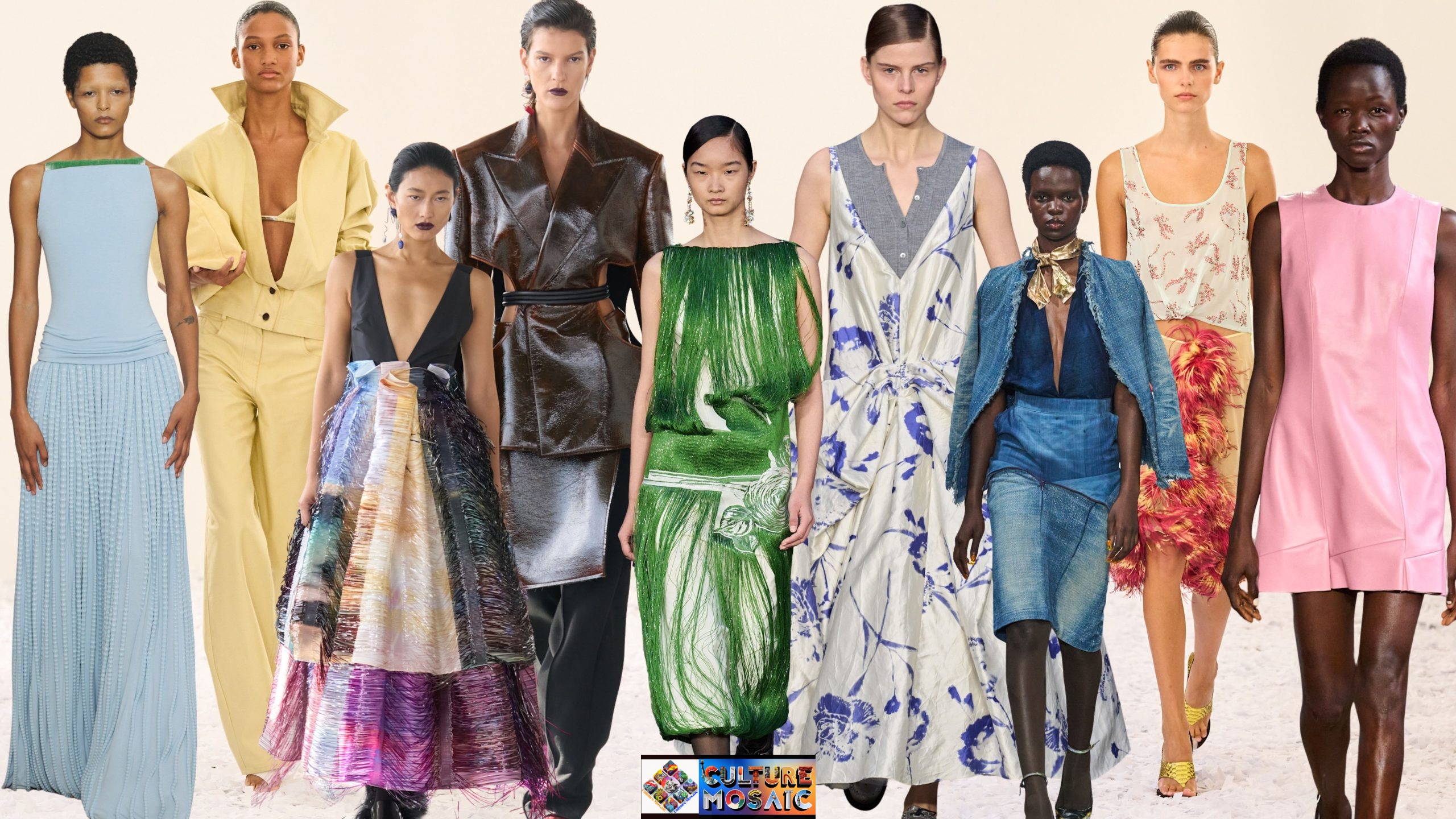
Sheer fabrics dominated the runways, offering a blend of sensuality and sophistication. Designers experimented with layering techniques, creating depth and texture in their collections.
3. Bold Silhouettes and Oversized Designs
Oversized coats, exaggerated shoulders, and voluminous dresses were key highlights. These bold silhouettes added drama and visual impact to runway looks.
4. Metallics and Futuristic Elements
Metallic fabrics and futuristic designs reflected the growing influence of technology in fashion. Silver, gold, and holographic tones were widely seen across collections.
5. Minimalism Meets Maximalism
Interestingly, this season showcased a blend of minimalism and maximalism. While some designers focused on clean lines and simplicity, others embraced bold patterns and elaborate detailing.
Celebrity Presence and Global Influence
Paris Fashion Week is not just about designers—it is also a major cultural event attended by celebrities, influencers, and industry leaders.
Global stars like Zendaya, Rihanna, and Deepika Padukone made striking appearances, adding glamour and global appeal to the event.
Their حضور (presence) amplifies the reach of fashion shows, turning runway moments into viral trends across social media platforms.
Street Style: Fashion Beyond the Runway
One of the most exciting aspects of Paris Fashion Week is street style. Fashion enthusiasts, influencers, and buyers showcase their personal style outside the venues, often setting trends that rival runway looks.
From bold color combinations to experimental layering, street style reflects real-world fashion and offers inspiration to a wider audience.
The Business of Fashion
Paris Fashion Week is not just a creative platform—it is also a major business event. Buyers, retailers, and media professionals gather to evaluate collections and make purchasing decisions.
Luxury brands use this platform to strengthen their global presence and connect with high-end consumers. The event significantly impacts the global fashion economy, influencing retail trends and consumer behavior.
Technology and Digital Transformation
The integration of technology was another major highlight. Many brands embraced digital platforms to reach a global audience through live-streamed shows and virtual experiences.
Augmented reality (AR) and artificial intelligence (AI) are increasingly being used to enhance fashion presentations, making them more interactive and accessible.
Cultural Diversity and Inclusivity
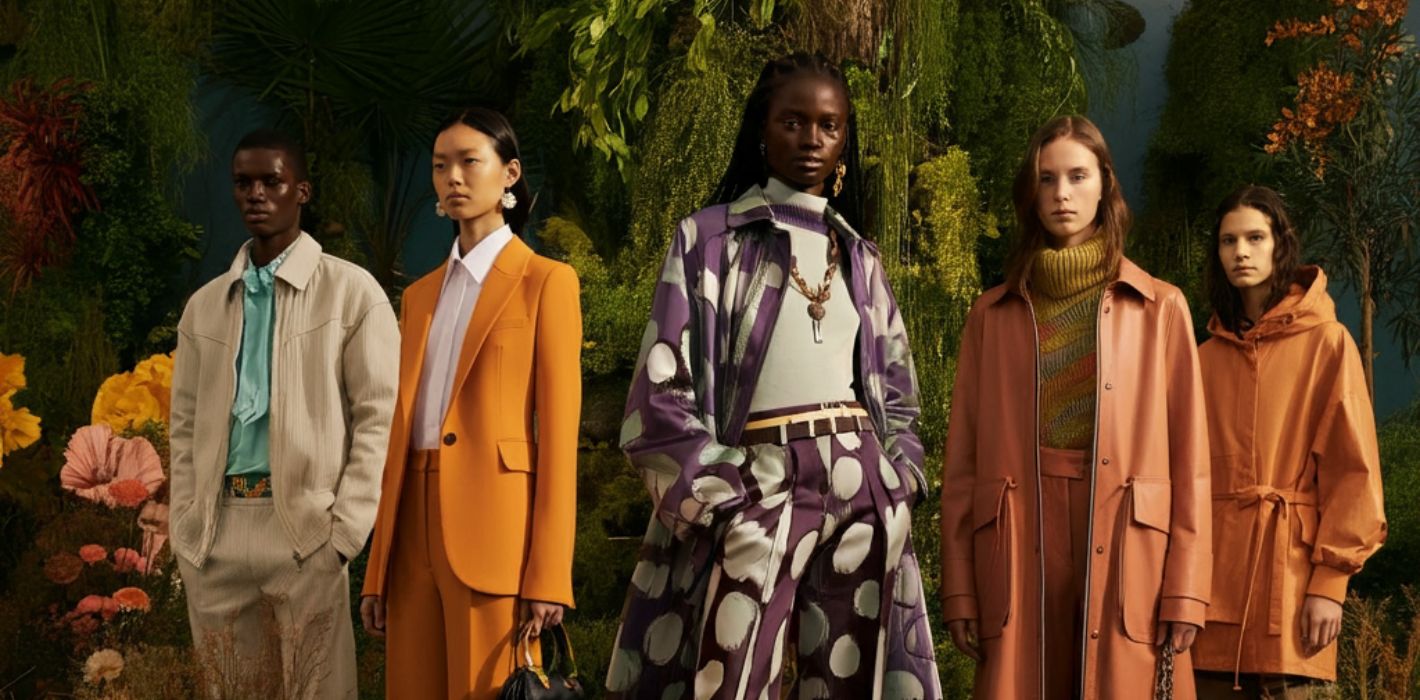
This year’s Paris Fashion Week emphasized diversity and inclusivity more than ever before. Designers featured models of different ethnicities, body types, and backgrounds, reflecting the changing face of fashion.
This shift is not just a trend but a movement towards a more representative and inclusive industry.
The Future of Fashion
Paris Fashion Week continues to set the tone for the future of fashion. The latest edition highlighted several key directions:
-
Greater focus on sustainability
-
Integration of technology
-
Emphasis on individuality and self-expression
-
Expansion of digital fashion experiences
As the industry evolves, Paris remains at the forefront, shaping trends and redefining fashion standards.
Conclusion
Paris Fashion Week 2026 was a spectacular showcase of creativity, innovation, and global influence. From iconic fashion houses like Dior and Chanel to emerging designers, the event celebrated the diversity and dynamism of the fashion industry.
It reinforced Paris’s position as the ultimate fashion capital, where tradition meets modernity and where the future of fashion is continuously reimagined.
As trends from the runway make their way into everyday fashion, one thing is clear—Paris Fashion Week is not just an event; it is a powerful force that shapes the global fashion narrative.