





Loewe: The Art of Spanish Craftsmanship and Modern Luxury!
Loewe is one of the world’s most distinctive luxury fashion houses, recognised for its exceptional leather craftsmanship, artistic approach to design, and ability to combine Spanish heritage with contemporary creativity. Founded in Madrid in 1846, the house has a history that stretches across more than 175 years, making it one of the oldest luxury fashion brands still operating today.
Unlike fashion houses that are primarily defined by logos or seasonal trends, Loewe has built much of its identity around craftsmanship, materials, creativity, and artistic expression. Leather remains central to the brand, but Loewe has expanded into ready-to-wear, handbags, shoes, accessories, fragrances, jewellery, and lifestyle products.
Its distinctive approach has made Loewe particularly influential in modern luxury fashion. The house demonstrates how traditional craftsmanship can be transformed into contemporary design without losing its connection to history.
The Origins of Loewe
The story of Loewe began in Madrid in 1846, when a group of Spanish leather artisans established a workshop specialising in leather goods. In 1872, German-born leather craftsman Enrique Loewe Roessberg joined the business. His name eventually became associated with the house, and the company developed under the Loewe name.
This history is important because craftsmanship was not added to Loewe’s identity later as a marketing concept. It was part of the company’s foundation.
Leatherworking required exceptional technical skill. Artisans needed to understand the characteristics of different hides, how materials respond to cutting and stitching, and how to create objects that were both beautiful and functional.
Over time, Loewe developed a reputation for high-quality leather products among Spanish society.
The house’s connection with Spain also became a central part of its identity. Madrid provided the cultural setting for the brand’s early development, while Spanish artistic traditions influenced its approach to colour, texture, and design.
From Leather Workshop to Luxury House
As Loewe developed, it moved beyond its origins as a leather workshop and became a broader luxury brand.
Handbags became particularly important to its identity. The house developed products that demonstrated the relationship between functional design and artistic craftsmanship.
The transformation from artisan workshop to international luxury fashion house required Loewe to preserve its heritage while adapting to changing consumer expectations.
This is a challenge faced by many heritage luxury brands. A company with a long history cannot rely only on its past. It must continually reinterpret its identity for new generations.
Loewe has addressed this by maintaining leather craftsmanship as a foundation while embracing modern artistic directions.
The Importance of Leather
Leather remains one of Loewe’s most important materials.
The house is particularly respected for its ability to transform leather into objects that combine softness, structure, practicality, and visual interest.
Leather craftsmanship requires precision. Small differences in texture, thickness, grain, and flexibility can influence how a final product looks and feels.
A Loewe leather product is therefore not simply about the material itself. It is about how the material is cut, shaped, folded, stitched, woven, and finished.
This emphasis on craftsmanship has helped distinguish Loewe from luxury brands whose identities are more heavily centred on monograms or visible branding.
The Puzzle Bag
One of Loewe’s most recognisable modern creations is the Puzzle bag.
Introduced in 2014 under the creative direction of Jonathan Anderson, the bag became an important representation of Loewe’s modern design philosophy.
Its construction is distinctive because the leather is assembled through geometric panels, creating a sculptural appearance. The design demonstrates how technical craftsmanship can become an aesthetic feature.
The Puzzle bag also reflects Loewe’s approach to functionality. Its shape allows it to be carried in different ways, giving it versatility while maintaining a distinctive appearance.
It became one of the defining luxury handbags of the modern era and helped introduce Loewe to a new generation of consumers.
Jonathan Anderson and a New Creative Direction
Jonathan Anderson became Loewe’s creative director in 2013. His arrival marked an important period of transformation for the house.
Anderson brought an experimental and artistic perspective to Loewe while maintaining its Spanish leather heritage.
His approach was not to discard the past but to reinterpret it.
Under his direction, Loewe became increasingly associated with unusual shapes, artistic collaborations, innovative materials, playful accessories, and a strong emphasis on craft.
This balance between heritage and experimentation became one of the brand’s most important characteristics.
Anderson demonstrated that a heritage luxury house could become contemporary without abandoning its foundations.
The Loewe Anagram
The Loewe Anagram is another important element of the brand’s visual identity.
The logo consists of four intertwined Ls and was designed in the 1970s. It represents the brand’s initials while providing a recognisable visual signature.
The Anagram appears across handbags, accessories, clothing, and other products.
However, Loewe’s identity is not entirely dependent on the logo. The house is also recognised through distinctive craftsmanship, silhouettes, materials, and artistic design.
This allows the brand to communicate luxury in a relatively subtle way.

Craft as Art
Perhaps the most interesting aspect of Loewe is its treatment of craftsmanship as a form of art.
Many luxury houses discuss craftsmanship, but Loewe has made craft a particularly visible part of its cultural identity.
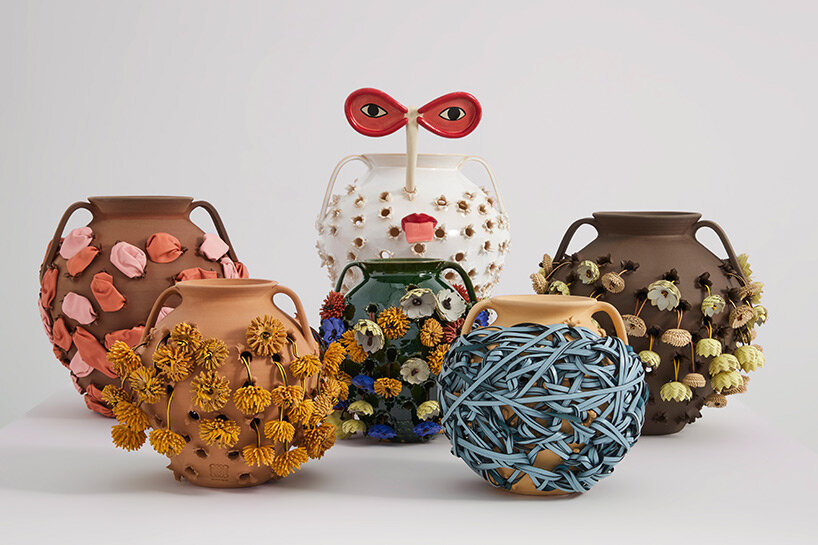
The brand has supported artistic initiatives and craft-focused projects that celebrate traditional techniques and contemporary creativity.
This approach reflects a broader belief that handmade objects can have artistic as well as commercial value.
Basketry, weaving, leatherwork, embroidery, ceramics, woodwork, and other traditional techniques have appeared within Loewe’s creative universe.
The result is a fashion house that often feels connected to the wider world of art and design.
The Loewe Foundation Craft Prize
Loewe’s commitment to craftsmanship is also reflected through the LOEWE FOUNDATION Craft Prize.
Established in 2016, the initiative celebrates contemporary artists and makers whose work demonstrates exceptional craftsmanship.
The prize reflects the house’s belief that craft deserves recognition within contemporary culture.
By supporting artists working with materials and techniques beyond traditional fashion, Loewe positions craftsmanship as a broader creative discipline.
This strengthens the brand’s cultural identity and distinguishes it from fashion houses focused primarily on seasonal clothing collections.
Ready-to-Wear
Although leather goods remain central to Loewe, ready-to-wear has become an important part of the house’s identity.
Loewe clothing often explores unusual proportions, textures, construction techniques, and artistic references.
Rather than creating clothing simply to display a logo, the brand often uses garments as a medium for experimentation.
Silhouettes can be oversized, sculptural, asymmetrical, or deliberately unconventional.
At the same time, traditional techniques such as leatherwork and embroidery may be incorporated into contemporary garments.
This combination creates a distinctive visual language.

Women’s Fashion
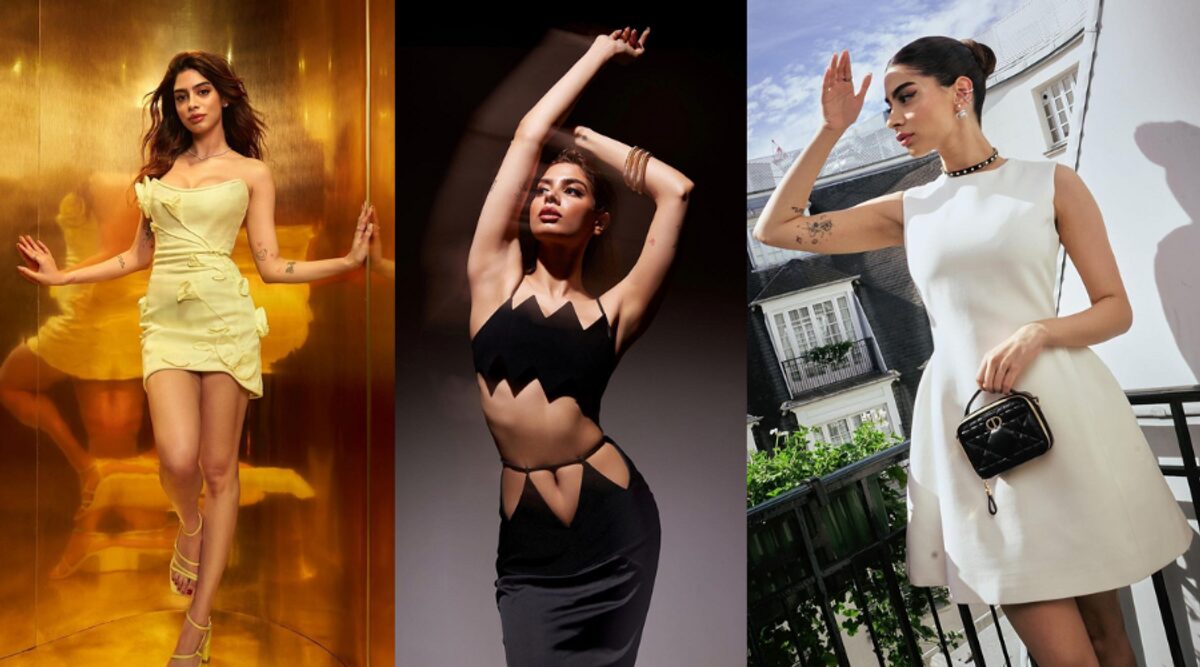
Loewe womenswear often combines sophistication with unexpected details.
A simple dress may feature an unusual construction. A coat might incorporate sculptural elements. A familiar silhouette may be transformed through fabric manipulation.
The result is clothing that feels artistic while remaining connected to luxury craftsmanship.
Loewe’s womenswear also demonstrates the brand’s willingness to challenge conventional ideas about femininity.
Rather than relying exclusively on traditionally feminine decoration, the house can explore shape, movement, texture, and proportion.
Men’s Fashion
Loewe menswear follows a similarly experimental approach.
Tailoring may be reinterpreted through relaxed proportions, unusual fabrics, or unexpected details.
Casual pieces can be elevated through craftsmanship, while traditional garments can be transformed through contemporary construction.
This creates a wardrobe that is luxurious but not necessarily conventional.
The distinction between formal and casual clothing can become less important, allowing pieces to be styled in multiple ways.
Accessories and Creative Expression
Accessories are another area where Loewe’s creativity becomes particularly visible.
The house has created handbags, wallets, shoes, belts, sunglasses, jewellery, scarves, and other accessories that often feature distinctive shapes or craft techniques.
Some designs are deliberately playful.
This willingness to experiment has helped Loewe develop a personality that is different from more traditional luxury houses.
The brand can be sophisticated and serious while also being humorous and unexpected.
This balance has become particularly appealing to younger luxury consumers.
The Basket Bag
Loewe’s basket bags demonstrate how traditional craft can be transformed into luxury fashion.
Basketry is a traditional technique associated with handmade objects and everyday utility. Loewe transformed this concept into a fashion accessory by combining natural woven materials with leather details and contemporary styling.
The basket bag became particularly associated with warm-weather dressing and modern resort style.
Its popularity demonstrates how Loewe can take an ordinary craft tradition and reinterpret it as a luxury object.
Loewe and Artistic Collaborations
Collaboration has been an important part of Loewe’s creative strategy.
The house has worked with artists, designers, craftspeople, and cultural figures to create products and projects that extend beyond conventional fashion.
These collaborations allow Loewe to explore new techniques and visual ideas while reaching audiences interested in art, design, and culture.
This approach reflects the broader transformation of luxury fashion.
Modern luxury brands are increasingly expected to be cultural institutions rather than simply clothing companies.
Loewe’s artistic collaborations support this evolution.
The Importance of Spanish Heritage
Although Loewe has become an international luxury house, Spanish identity remains important.
Its origins in Madrid distinguish it from French and Italian luxury competitors.
Spanish culture offers a rich range of artistic influences, from architecture and painting to ceramics, textiles, leatherwork, and traditional crafts.
Loewe’s contemporary interpretation of these influences creates a distinctive identity.
The brand demonstrates that luxury does not need to follow a single European model. Spanish heritage can provide its own language of sophistication.
Loewe and Modern Luxury
Modern consumers increasingly define luxury differently from previous generations.
Luxury is no longer only about expensive materials or visible status. Consumers may also value:
- Craftsmanship
- Authenticity
- Creativity
- Heritage
- Sustainability
- Artistic value
- Uniqueness
- Cultural relevance
Loewe fits naturally into this changing definition of luxury.
Its focus on craftsmanship provides authenticity. Its artistic collaborations create cultural relevance. Its unusual designs offer individuality.
This combination has helped the brand become particularly influential among fashion-conscious consumers.
Sustainability and Craftsmanship
Craftsmanship and sustainability are increasingly connected within luxury fashion.
A beautifully crafted product that is designed to last can encourage consumers to buy fewer, more meaningful pieces.
Leather goods in particular can become long-term wardrobe investments when properly maintained.
Loewe’s focus on craft supports this idea, although sustainability in fashion involves much more than durability. Material sourcing, manufacturing, supply chains, packaging, waste reduction, and responsible production all play important roles.
For luxury houses, maintaining transparency and improving environmental practices will continue to be important.

Loewe’s Global Influence
Loewe has grown from a Spanish leather workshop into a globally recognised luxury brand.
Its international presence demonstrates the power of a strong creative identity.
Instead of trying to imitate other luxury houses, Loewe has developed its own language around Spanish heritage, leather craftsmanship, art, and experimentation.
This has allowed it to stand apart in a highly competitive luxury market.
Its handbags and accessories have become particularly recognisable, while its fashion collections have strengthened its reputation as an influential creative house.
Why Loewe Stands Out
Loewe stands out because it occupies an unusual position in luxury fashion.
It is deeply rooted in traditional craftsmanship but highly contemporary.
It is luxurious but playful.
It is artistic but commercially successful.
It is connected to heritage but constantly experimenting.
This balance is difficult to achieve.
Many heritage brands risk becoming too traditional, while younger brands may lack historical depth. Loewe combines both qualities.
Its history gives it credibility, while its creative direction keeps it relevant.
The Future of Loewe
The future of Loewe will depend on its ability to maintain this balance.
The brand must continue protecting its craftsmanship and Spanish heritage while responding to changing consumer expectations.
Digital fashion, social media, new forms of retail, sustainability, and evolving definitions of luxury will continue to influence the industry.
At the same time, consumers are increasingly interested in products that have a story.
Loewe has a particularly rich story to tell: more than a century of leather craftsmanship combined with contemporary art and fashion.
This heritage can remain a powerful foundation for future growth.
Final Thoughts
Loewe is more than a luxury fashion house. It is a celebration of craftsmanship, creativity, Spanish heritage, and artistic expression.
From its beginnings as a leather workshop in Madrid in 1846 to its position as a global luxury brand, Loewe has continually evolved while maintaining a connection to its original expertise.
Its leather goods demonstrate the technical possibilities of craftsmanship, while its fashion collections push the boundaries of contemporary design. The Puzzle bag, Anagram, basket bags, artistic collaborations, and craft initiatives have all contributed to a distinctive identity.
The house’s greatest strength is perhaps its ability to make craftsmanship feel modern. Traditional techniques are not presented simply as historical artefacts; they become part of contemporary fashion.
Loewe therefore represents a new understanding of luxury—one where value comes not only from exclusivity and price, but also from skill, creativity, cultural meaning, and individuality.
In a fashion world increasingly influenced by fast trends, Loewe’s commitment to craft provides a powerful reminder that true luxury can be built slowly, thoughtfully, and by hand.
Loewe is where heritage meets imagination, craftsmanship meets art, and Spanish tradition meets modern luxury.