



How the Looks of Ranveer Singh, Akshaye Khanna, Arjun Rampal and R. Madhavan Came Together in Dhurandhar!
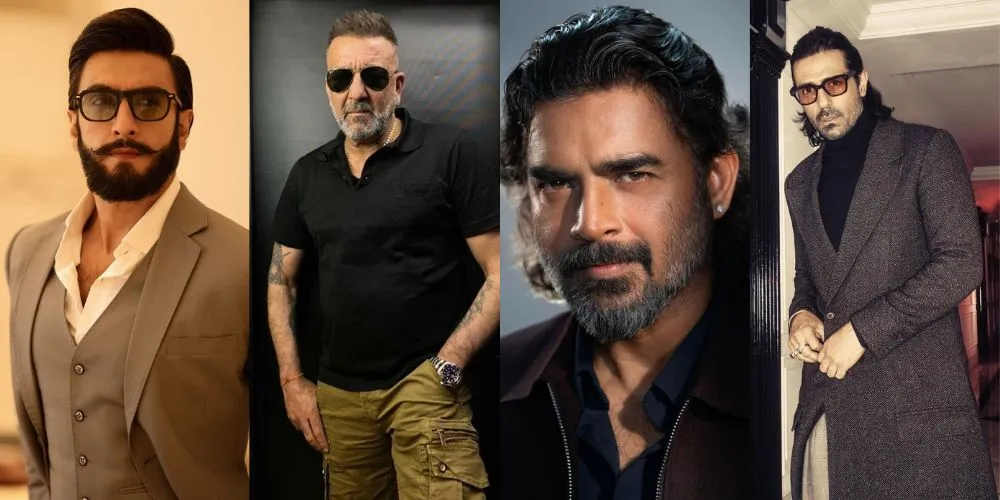
When a film brings together four powerful, industry-defining actors, Ranveer Singh, Akshaye Khanna, Arjun Rampal, and R. Madhavan, the visual identity of each character becomes as important as the script itself. Dhurandhar, designed as an intense action-espionage drama with a psychological edge, demanded characters who didn’t just act differently, but looked like they came from different worlds, ideologies,s and emotional journeys.
Behind the scenes, the transformation was a long process involving makeup artists, stylists, prosthetic experts, fitness trainers, costume designers, and director Aditya Dhar’s meticulous creative direction. The mission wasn’t merely to make the actors appear different it was to make audiences feel who they are before they utter a single word.
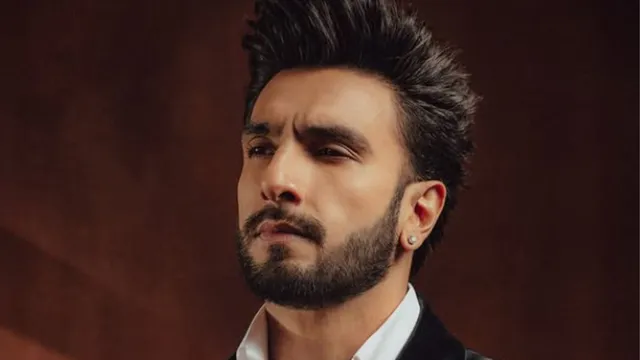
Ranveer Singh: The Wrath of Purpose
Ranveer Singh’s physical appearance in Dhurandhar became the first visual anchor for the movie. Known for his chameleon-like transformations, Ranveer pushed himself into a space that blended raw masculinity with emotional weight. His body language, long unified hairstyle, rugged beard, and muscular frame represent a man forged through conflict.
The creative team ensured that every choice—from scars to costume textures felt lived-in rather than designed. The idea was to portray someone who has been tested repeatedly, hardened by experience, and is now unstoppable.
His look conveys:
- Intensity
- Unfiltered aggression
- A sense of personal mission
- A soldier-like aura, but operating beyond rules
Ranveer’s transformation isn’t only visual it extends into posture, walk, eye intensity, and micro-expressions. The character is shaped as a human weapon, and his appearance communicates that before action unfolds.
Akshaye Khanna: The Quiet Predator
If Ranveer represents fire, Akshaye Khanna represents ice.
The team crafted a look defined by sharpness, restraint, and intimidating elegance. His character’s charisma lies not in volume, but in stillness. The hair is precisely styled, the grooming purposely sharp, the costumes tailored, projecting a man who controls his environment rather than reacts to it.
Akshaye’s transformation required subtle adjustments rather than drastic ones minimal but meaningful tweaks that distinguished him from his earlier roles while elevating his aura as a strategist.
Key psychological notes reflected in his visual identity include:
- Cold intelligence
- Calculated menace
- Emotional detachment
- Power without theatrics
Instead of scars or muscles, Akshaye’s character weaponises gaze and posture. His look tells the audience: I see more, speak less, and strike hardest.
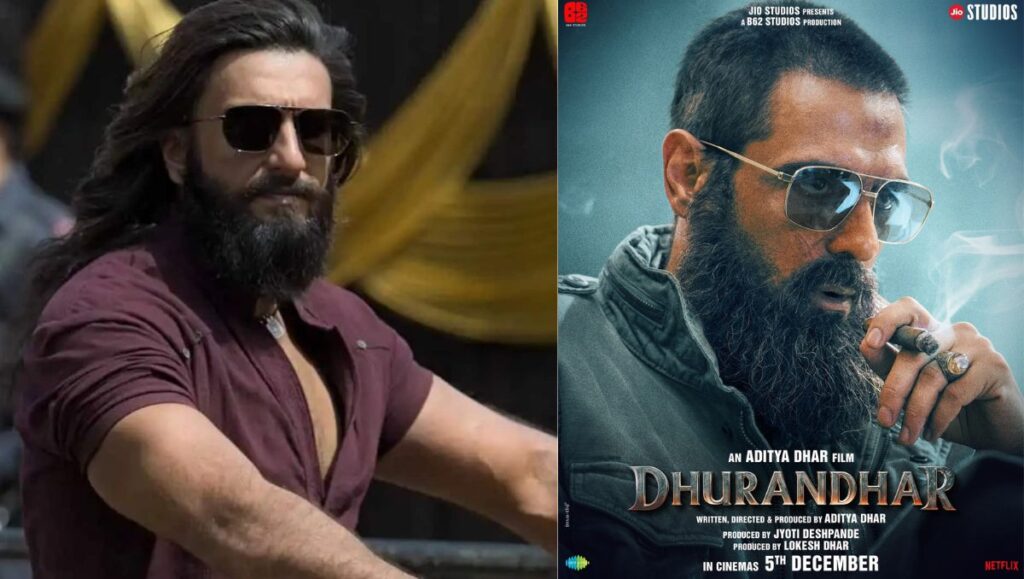
Arjun Rampal: The Angel of Death
Arjun Rampal’s character demanded a completely different emotional texture, something unsettling yet hypnotic. The team envisioned a character who is calm like silence before a storm. His appearance expresses a subtle yet persistent threat, making him one of the most unpredictable forces in the narrative.
Rampal’s face structure, already strong and chiselled, was enhanced using minimalistic yet impactful shading techniques, darker wardrobe tones, and a muted colour palette. His hair and beard styling was kept slightly unruly not chaotic, but instinctive. The result reflects a persona who carries danger as naturally as breath.
His look signifies:
- Violence hidden behind composure
- A predator who doesn’t chase he waits
- A man with a history written in shadows
Rampal doesn’t need aggression; his calm makes him more terrifying.
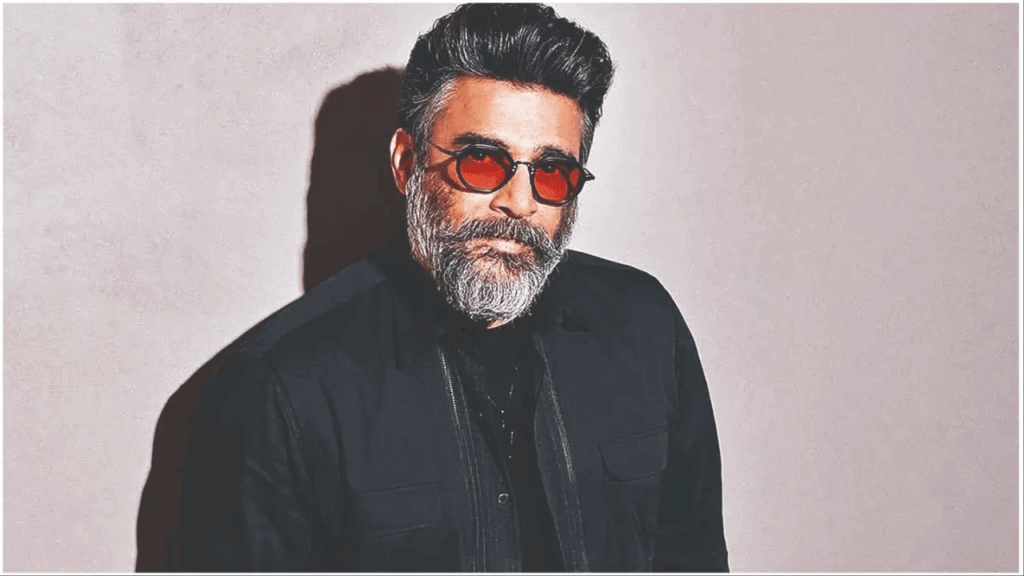
R. Madhavan: The Mind of Order
Unlike the other characters shaped by rage or danger, R. Madhavan was designed to represent control, leadership and command. His character is the brain in a world of weapons—someone whose presence restores order rather than chaos.
To achieve this, his look is understated yet distinguished. His styling uses:
- Structured silhouettes
- Soft sophistication
- Minimalistic grooming
- Neutral tones reflecting authority
Instead of showing power through appearance, Madhavan’s look communicates wisdom, experience, and emotional discipline. His refinement contrasts sharply with the rougher edges of the other characters, intentionally creating a visual hierarchy within the universe.
A Collaborative Design Philosophy
What makes these transformations remarkable is not individual brilliance but symmetry. Each look was designed in relation to the others, ensuring no overlap, no repetition and no visual confusion.
The character design framework followed three key principles:
1. Distinctive Silhouettes
Each actor’s outline, even from behind or in shadow, had to be instantly recognizable. This supports storytelling in action sequences and ensemble scenes.
2. Emotion Through Aesthetic
The costumes, grooming, and physical build were not just fashion they’re storytelling tools. Audiences can predict temperament, motivation,n and threat just by observing the visuals.
3. Evolution Within the Narrative
The looks are not fixed. As the characters evolve, betray, rise or fall, their appearances subtly shift — from blood stains to posture changes, from refined grooming to weathered scars.
Why These Transformations Matter
In high-budget ensemble cinema, characterization must begin visually. Before audiences understand dialogue or plot, they must feel the world—and the characters must create that first impact.
The looks also:
- Create dramatic tension
- Support individuality in a multi-hero narrative
- Build mythology around each character
- Strengthen brand recall through posters, teasers, and marketing
Together, Ranveer Singh, Akshaye Khanna, Arjun Rampal, and R. Madhavan don’t just act in Dhurandhar, they embody identities. Their visual presence is storytelling, symbolism, psychology, and poetry fused into cinema.
Conclusion
The creation of the four core looks in Dhurandhar showcases cinema’s incredible ability to merge art, psychology, and transformation. It proves that character design is not just about looking different but communicating deeper layers of personality, purpose, and power. With each actor stepping into a meticulously sculpted appearance, Dhurandhar becomes more than a film it becomes a world where every face, scar, suit, and stare has meaning.