




Balmain: The Legacy of French Luxury and Modern Fashion!
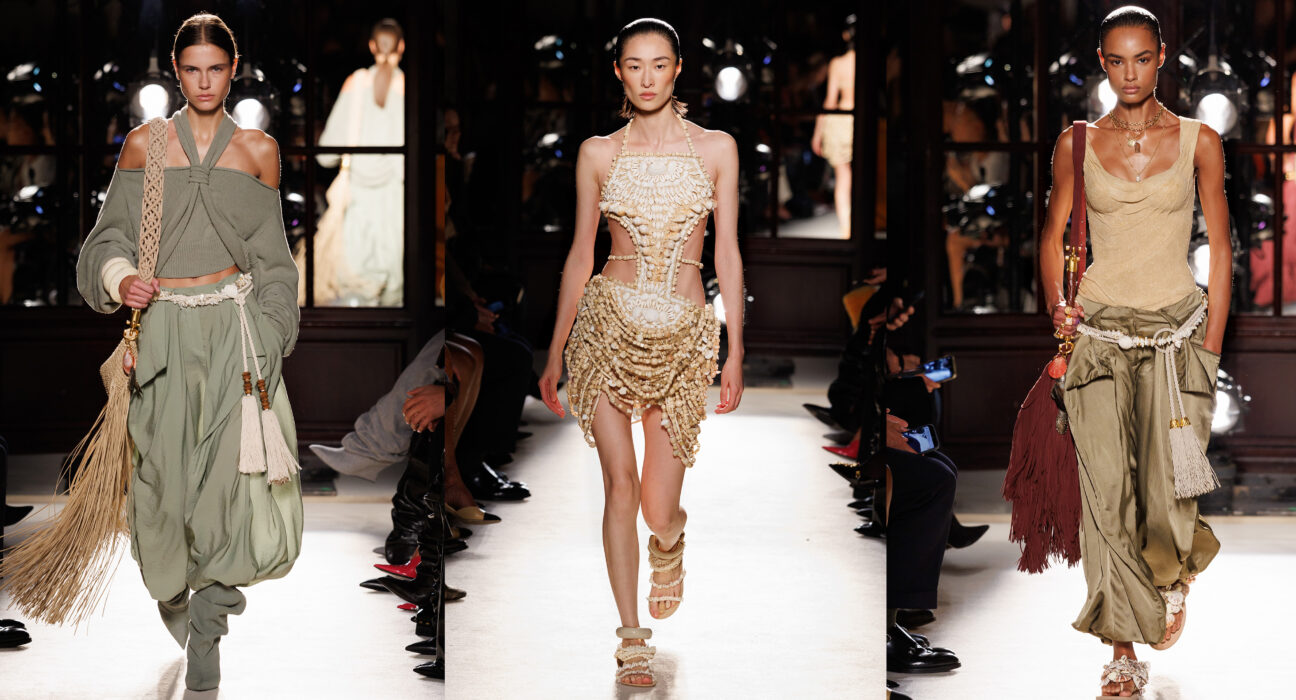
Balmain is one of the most iconic luxury fashion houses in the world, renowned for its sophisticated craftsmanship, bold designs, and timeless elegance. Founded in Paris in 1945 by Pierre Balmain, the brand has become a symbol of French luxury and haute couture. Over the decades, Balmain has evolved from a prestigious couture house into a global fashion powerhouse, influencing trends and redefining luxury for modern generations. Today, Balmain is celebrated for its distinctive style, celebrity following, innovative collections, and commitment to preserving its rich heritage while embracing contemporary fashion.
The Founding of Balmain
The history of Balmain began shortly after World War II, when Pierre Balmain established his fashion house in Paris. Born in 1914 in Saint-Jean-de-Maurienne, France, Pierre initially studied architecture before pursuing a career in fashion. His architectural background significantly influenced his design approach, giving him a deep understanding of structure, proportion, and form.
Before launching his own label, Pierre Balmain worked with notable designers such as Edward Molyneux and Lucien Lelong. These experiences allowed him to refine his skills and develop his unique design philosophy. In 1945, he opened the House of Balmain and quickly gained recognition for creating elegant, feminine, and luxurious clothing.
At a time when Europe was recovering from the hardships of war, people longed for beauty, sophistication, and optimism. Balmain’s designs provided exactly that. His first collections featured refined silhouettes, luxurious fabrics, and impeccable tailoring, helping restore Paris’s reputation as the global capital of fashion.
Pierre Balmain’s Vision
Pierre Balmain believed that fashion should enhance beauty while maintaining elegance and comfort. He often described dressmaking as “the architecture of movement,” reflecting the influence of his architectural education.
His creations emphasized:
- Feminine silhouettes
- Structured tailoring
- Luxurious fabrics
- Attention to detail
- Sophisticated elegance
Unlike many designers who focused on dramatic extravagance, Balmain sought balance and refinement. His garments celebrated a woman’s natural grace while highlighting confidence and sophistication.
This philosophy quickly attracted elite clients from around the world, establishing Balmain as one of the leading couture houses of the twentieth century.
Rise to International Recognition
The post-war years marked a period of tremendous growth for Balmain. The brand became a favorite among celebrities, aristocrats, and royal families. Pierre Balmain dressed some of the most glamorous women of his era, including Ava Gardner, Sophia Loren, Brigitte Bardot, Katharine Hepburn, and Marlene Dietrich.
Royal clients also embraced Balmain’s creations. The brand became associated with luxury, prestige, and impeccable taste. Its elegant evening gowns, tailored suits, and couture dresses appeared at major social events, film premieres, and royal gatherings across the world.
By the 1950s and 1960s, Balmain had firmly established itself as one of the most respected names in international fashion.
Expansion Beyond Haute Couture
As fashion evolved, Balmain expanded beyond haute couture to include ready-to-wear collections, accessories, fragrances, and luxury lifestyle products.
One of the brand’s earliest successes outside fashion was the launch of its fragrance line. Perfumes such as Jolie Madame became highly popular and introduced Balmain to a broader audience.
The expansion allowed the company to diversify its offerings while maintaining the exclusivity and craftsmanship associated with luxury fashion. Balmain continued to innovate and adapt to changing market demands without compromising its heritage.
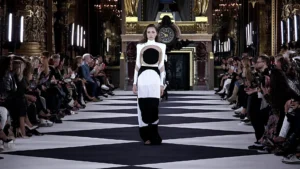
Leadership After Pierre Balmain
Pierre Balmain passed away in 1982, leaving behind an extraordinary legacy. Following his death, several talented designers assumed leadership roles within the company and continued to build upon his vision.
Erik Mortensen, who had worked closely with Pierre Balmain for many years, became the chief designer. He successfully maintained the house’s couture standards and received widespread recognition for his work.
Later, designers such as Hervé Pierre and Oscar de la Renta brought fresh perspectives to the brand. Their contributions helped Balmain remain relevant during periods of significant change in the fashion industry.
Oscar de la Renta’s tenure was particularly important because he successfully combined Balmain’s traditional elegance with contemporary sophistication, attracting a new generation of luxury consumers.
The Christophe Decarnin Era
A major transformation occurred in 2005 when Christophe Decarnin became Creative Director. His vision dramatically changed Balmain’s identity and positioned the brand at the center of contemporary fashion.
Decarnin introduced:
- Rock-inspired aesthetics
- Strong shoulders
- Distressed denim
- Embellished jackets
- Body-conscious silhouettes
These designs represented a departure from traditional couture elegance and appealed to fashion-forward consumers seeking bold, statement-making pieces.
Balmain’s popularity surged during this period, particularly among celebrities and trendsetters. The brand became synonymous with confidence, glamour, and modern luxury.
Olivier Rousteing: A New Generation of Leadership
In 2011, Olivier Rousteing became Creative Director at the age of just twenty-five, making him one of the youngest leaders of a major luxury fashion house.
Rousteing inherited Balmain’s glamorous aesthetic and expanded it through his unique creative vision. He embraced modern culture, social media, and celebrity collaborations in ways that transformed the brand’s global presence.
Under Rousteing’s leadership, Balmain became known for:
- Military-inspired tailoring
- Luxurious embellishments
- Bold silhouettes
- Inclusive representation
- Strong digital marketing
His collections celebrated diversity, confidence, and individuality, helping Balmain connect with younger consumers worldwide.
The Rise of the “Balmain Army”
One of Rousteing’s most successful innovations was the creation of the “Balmain Army.” This term referred to the influential group of celebrities, musicians, models, and public figures who regularly wore Balmain designs.
Members included:
- Beyoncé
- Rihanna
- Kim Kardashian
- Kanye West
- Jennifer Lopez
- Gigi Hadid
- Kendall Jenner
Their support significantly increased the brand’s visibility and cultural relevance.
Unlike traditional luxury brands that relied primarily on fashion magazines and runway shows, Balmain used celebrity influence and social media to engage directly with consumers around the world.
Balmain and Digital Innovation
Balmain was among the first luxury fashion houses to fully embrace social media platforms such as Instagram.
Olivier Rousteing recognized that digital communication was transforming consumer behavior and brand engagement. Through strategic content creation, celebrity partnerships, and behind-the-scenes storytelling, Balmain built one of the strongest online presences in the luxury industry.
The brand’s digital strategy helped:
- Reach younger audiences
- Increase global visibility
- Strengthen customer loyalty
- Enhance brand storytelling
- Drive online sales
This innovative approach established Balmain as a leader in luxury fashion marketing.
Signature Design Elements
Several distinctive characteristics define the Balmain aesthetic.
Strong Shoulders
One of Balmain’s most recognizable features is the use of structured shoulders. This design element creates a powerful and confident silhouette that has become synonymous with the brand.
Luxury Embellishments
Balmain garments frequently feature intricate embroidery, sequins, crystals, metallic detailing, and handcrafted embellishments that demonstrate exceptional craftsmanship.
Military Influences
Military-inspired jackets, gold buttons, structured tailoring, and uniform-like designs are recurring themes in many Balmain collections.
Bold Silhouettes
Balmain emphasizes strong lines and body-conscious shapes that celebrate confidence and individuality.
Premium Materials
The brand uses high-quality fabrics, including silk, velvet, leather, tweed, and luxurious blends, ensuring exceptional comfort and durability.
Balmain’s Product Portfolio
Today, Balmain offers a comprehensive range of luxury products.
Women’s Fashion
The women’s collection includes dresses, jackets, blazers, skirts, trousers, knitwear, and couture creations.
Men’s Fashion
Balmain’s menswear line features luxury tailoring, casual wear, outerwear, footwear, and accessories.
Handbags
Balmain handbags are known for their structured designs, premium materials, and distinctive hardware.
Footwear
The brand produces luxury sneakers, boots, sandals, and high-fashion shoes.
Accessories
Accessories include belts, jewelry, eyewear, scarves, and small leather goods.
Fragrances
Balmain continues to develop premium fragrances that reflect the sophistication and elegance of the brand.
Celebrity Influence and Popular Culture
Balmain has played a major role in shaping contemporary popular culture. Its designs frequently appear in:
- Music videos
- Award ceremonies
- Fashion magazines
- Red carpet events
- Television shows
- Social media campaigns
The brand’s strong association with influential celebrities has made it one of the most recognizable luxury labels globally.
Balmain’s presence in entertainment has helped bridge the gap between haute couture and mainstream culture, making luxury fashion more accessible and aspirational.
Sustainability and Future Fashion
Like many luxury fashion houses, Balmain is increasingly focusing on sustainability and responsible production practices.
Modern consumers expect luxury brands to demonstrate environmental responsibility. As a result, Balmain has taken steps toward:
- Ethical sourcing
- Sustainable materials
- Responsible manufacturing
- Reduced environmental impact
The company continues exploring innovative ways to balance luxury craftsmanship with sustainable business practices.
Global Presence
Balmain operates boutiques and flagship stores in major cities around the world, including:
- Paris
- New York
- London
- Milan
- Dubai
- Tokyo
- Shanghai
Its products are also available through luxury department stores and premium online retail platforms.
This global presence has helped Balmain reach customers across Europe, North America, Asia, the Middle East, and beyond.
Collaborations and Partnerships
Balmain has successfully collaborated with various brands, artists, and organizations. These partnerships have allowed the company to expand beyond traditional fashion while attracting new audiences.
Collaborations often combine Balmain’s luxury aesthetic with contemporary culture, creating unique products that generate significant consumer interest and media attention.
These partnerships demonstrate the brand’s ability to remain innovative and culturally relevant in a competitive industry.
Challenges and Adaptability
Throughout its history, Balmain has faced numerous challenges, including economic fluctuations, changing consumer preferences, and intense competition within the luxury market.
However, the brand’s ability to evolve while maintaining its identity has been a key factor in its success. Each generation of leadership has respected Pierre Balmain’s legacy while introducing fresh ideas and modern perspectives.
This adaptability has enabled Balmain to remain one of the most influential luxury fashion houses in the world.
Conclusion
Balmain’s journey from a post-war Parisian couture house to a global luxury fashion powerhouse is a remarkable story of creativity, innovation, and resilience. Founded by Pierre Balmain in 1945, the brand has consistently represented elegance, craftsmanship, and sophistication.
Through visionary leadership, iconic designs, celebrity influence, and digital innovation, Balmain has remained at the forefront of the fashion industry for more than seven decades. Its signature blend of heritage and modernity continues to inspire designers, celebrities, and fashion enthusiasts around the world.
As the luxury fashion landscape continues to evolve, Balmain remains committed to excellence, creativity, and innovation. With its rich history and forward-thinking approach, the brand is well-positioned to continue shaping the future of global fashion for generations to come.