






Samsonite: The Evolution of Travel, Design and Innovation!
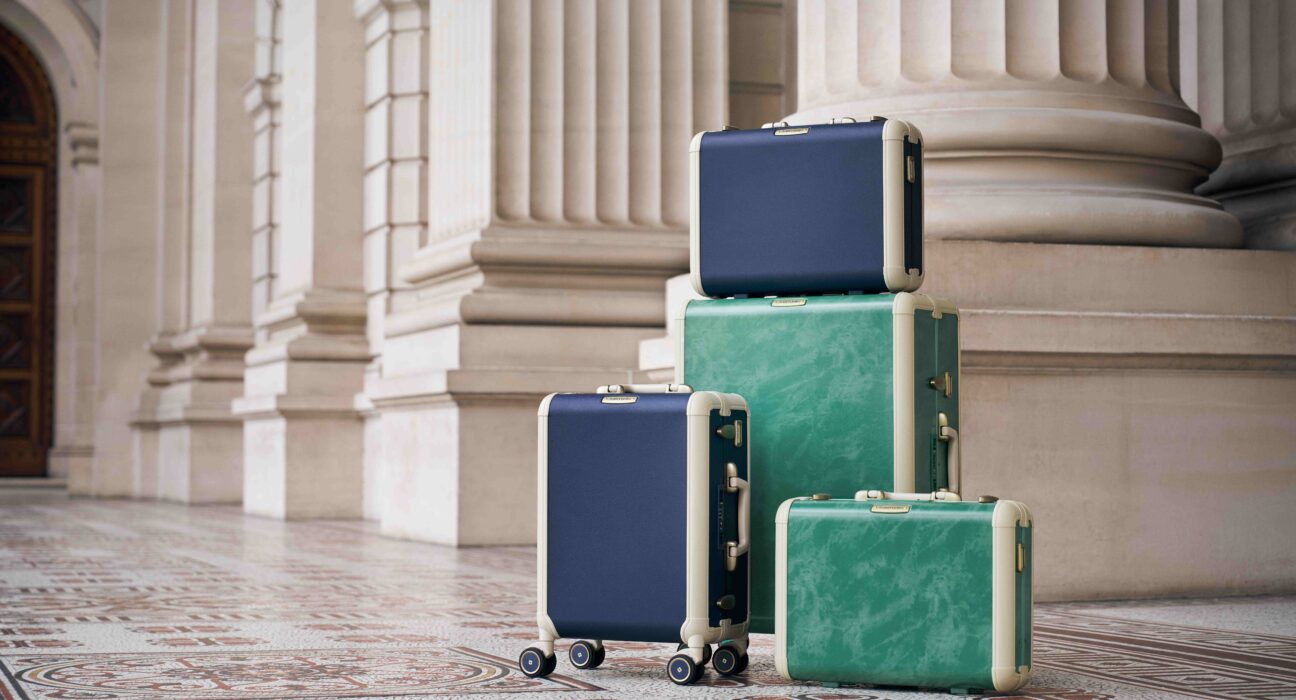
Travel has changed dramatically over the past century. From long-distance train journeys and ocean liners to international flights and fast-paced business travel, the way people move across the world has continuously evolved. Alongside this transformation, luggage has gone from being a simple travel necessity to an important combination of functionality, design, technology and personal style.
Few brands have been associated with this evolution as closely as Samsonite.
For more than a century, Samsonite has built its identity around creating luggage and travel products designed to make journeys more convenient, organized and dependable. What began as a luggage company in the United States eventually developed into a globally recognized travel brand, known for its combination of durability, innovation and contemporary design.
Today, Samsonite represents much more than a suitcase. It reflects the changing expectations of modern travelers—people who want products that are practical enough for demanding journeys while also complementing their individual style.
A Legacy Built Around Travel
Samsonite’s history dates back to 1910, when Jesse Shwayder founded the Shwayder Trunk Manufacturing Company in Denver, Colorado. At the time, travel luggage was very different from what consumers use today. Heavy trunks and wooden cases were commonly used, and durability was a major consideration.
The company gradually developed products designed to respond to changing travel habits. As transportation became more accessible and air travel expanded, luggage needed to become lighter, easier to carry and more adaptable.
The Samsonite name became particularly associated with strength and durability. Over the years, the brand continued to evolve its product designs as travelers moved away from traditional trunks and toward modern suitcases.
This ability to adapt has been one of the defining characteristics of Samsonite.
Instead of treating luggage as a static product category, the company has continued to respond to developments in transportation, consumer lifestyles, materials and design.
From Traditional Luggage to Modern Suitcases
The transformation of luggage over the decades has been remarkable.
Early luggage was often constructed from heavy materials and designed primarily for protection. Modern luggage, however, needs to balance several different requirements. It should be lightweight, durable, easy to maneuver and spacious, while also providing convenient organization.
Samsonite has been part of this transformation.
The introduction and development of molded luggage helped change consumer expectations. Hard-shell suitcases became increasingly popular because they offered protection while allowing designers to create more streamlined forms.
The development of lightweight materials further changed the category. Travelers began looking for suitcases that could provide durability without adding unnecessary weight to their luggage.
Today, Samsonite’s product portfolio includes hard-side and soft-side luggage, carry-on bags, checked luggage, backpacks, business bags and travel accessories.
The emphasis is no longer simply on carrying belongings. Modern luggage is designed around the entire travel experience.
Innovation at the Heart of the Brand
Innovation has consistently been an important part of Samsonite’s identity.
Travel can be unpredictable. Suitcases are handled by airport staff, placed in overhead compartments, transported across different surfaces and exposed to varying weather conditions. Frequent travelers therefore expect their luggage to withstand repeated use.
Samsonite has invested heavily in materials, construction techniques and product engineering to address these demands.
One example is the use of advanced materials in hard-shell luggage. Materials such as polycarbonate can provide a combination of strength, flexibility and relatively low weight. Other specialized materials and construction techniques are used across different product lines depending on their intended purpose.
Wheels are another important area of luggage innovation.
The introduction of multi-directional spinner wheels transformed the way people move suitcases through airports and hotels. Instead of dragging a suitcase behind them, travelers can maneuver it alongside their body or push it forward with comparatively little effort.
Small details such as handles, wheel systems, zippers, compartments and internal organization can make a significant difference to the overall travel experience.
This illustrates an important aspect of luggage design: innovation does not always have to be dramatic. Sometimes the most useful improvements are the ones that make everyday travel easier.

Design Meets Functionality
While durability and functionality remain important, today’s travelers also expect their luggage to look good.
Travel has become increasingly visual. Airports, hotels, business lounges and social media have created environments where personal style extends beyond clothing and accessories.
Samsonite’s designs reflect this shift.
The brand has developed luggage in a variety of silhouettes, colors, textures and finishes, allowing travelers to select products based not only on size and functionality but also on aesthetic preference.
Minimalist designs can appeal to business travelers who prefer understated sophistication, while more distinctive colors and finishes can suit leisure travelers looking for something recognizable on an airport baggage carousel.
The balance between design and functionality is particularly important in premium luggage. A suitcase needs to look refined without compromising the practical features that travelers depend upon.
This combination has helped Samsonite maintain relevance across generations.
The Modern Business Traveler
Business travel presents a unique set of luggage requirements.
A business traveler may need to carry clothing, documents, a laptop, chargers, headphones and other technology while moving quickly between airports, hotels and meetings.
This has encouraged luggage brands to rethink the traditional suitcase.
Samsonite’s business-oriented products and collections often focus on organization, portability and professional styling. Backpacks and business cases can provide dedicated compartments for laptops and other devices, while cabin luggage can help travelers pack efficiently for shorter trips.
For professionals who travel frequently, convenience becomes particularly important. A suitcase that is easy to maneuver, quickly accessible and well organized can reduce friction throughout a journey.
The modern business traveler therefore looks for luggage that functions almost like a mobile workspace.
Travel and Technology
Technology has also influenced the luggage industry.
Travelers increasingly carry smartphones, laptops, tablets, smartwatches, wireless headphones, chargers and other electronic devices. As a result, luggage and travel accessories have had to adapt.
Dedicated technology compartments, charging-related features, organizational pockets and easy-access sections have become increasingly relevant.
However, the role of technology in luggage extends beyond electronics.
Manufacturing technology allows brands to experiment with new materials, shapes and construction methods. Product testing and engineering processes help manufacturers assess how luggage performs under different conditions.
For a global travel brand, this combination of industrial design, engineering and consumer insight is essential.
Sustainability and the Future of Travel
Sustainability has become one of the most important conversations across the fashion, retail and travel industries.
Consumers are increasingly interested in how products are made, how long they last and what happens to them at the end of their usable life.
For luggage brands, durability itself is an important part of the sustainability conversation. A suitcase designed to withstand years of use does not need to be replaced as frequently as a product with a short lifespan.
Samsonite has also introduced initiatives and product developments involving recycled materials and more sustainable approaches to product design.
The broader challenge for the luggage industry is complex. Manufacturers need to consider materials, production processes, packaging, transportation and product longevity while continuing to meet consumer expectations for performance and design.
As sustainability becomes more influential in purchasing decisions, these considerations are likely to become an even more important part of luggage development.
Luggage as a Lifestyle Accessory
The perception of luggage has changed considerably.
For many travelers, a suitcase is no longer simply something that holds clothes. It has become part of their overall travel identity.
The rise of frequent leisure travel, digital nomadism, international education, business mobility and remote work has created new categories of travelers with different requirements.
A young professional may want a sleek carry-on that works for both a weekend trip and a business meeting. A frequent international traveler may prioritize durability and organization. A family may focus on capacity and ease of movement.
Samsonite’s broad product portfolio allows the brand to address these different lifestyles.
The modern luggage market is therefore increasingly about personalization. Travelers want to choose products that fit the way they move through the world.
Why Durability Still Matters
Despite the emphasis on design and technology, durability remains one of the most important qualities of luggage.
A suitcase is exposed to more physical stress than many everyday consumer products. It may be lifted, dropped, rolled across uneven surfaces and placed in crowded baggage compartments.
This makes construction quality particularly important.
Strong shells, reliable wheels, sturdy handles and well-designed closures can significantly influence the lifespan of a suitcase.
For travelers, durability also represents value. Spending more on a well-constructed suitcase can make sense when the product is expected to accompany them on numerous journeys over several years.
This is one reason luggage continues to occupy an interesting position between fashion and utility.
Samsonite in the Age of Experience
Modern consumers increasingly evaluate brands based on experiences rather than products alone.
A suitcase is part of a larger travel journey that includes booking flights, arriving at an airport, navigating security, boarding an aircraft, checking into a hotel and eventually returning home.
Every part of that experience can influence how travelers feel about their journey.
Luggage plays a surprisingly important role because it is present throughout the process.
A suitcase that moves smoothly through a busy terminal, fits comfortably into a storage space and keeps belongings organized can make travel feel more manageable.
This is where the value of thoughtful design becomes apparent.
Looking Ahead
The future of luggage is likely to be shaped by several major trends: lighter materials, greater durability, sustainability, smarter organization and increasingly personalized design.
Travel itself is also evolving.
More people are traveling internationally, working remotely, combining business with leisure and taking shorter but more frequent trips. These changing behaviors will continue to influence the products travelers need.
Luggage may become even more integrated with digital lifestyles, while sustainability could become increasingly central to product development.
For an established brand such as Samsonite, the challenge is to maintain the trust associated with its heritage while continuing to innovate for a new generation of travelers.
More Than a Suitcase
Samsonite’s story is ultimately a story about how travel has changed.
From the heavy trunks of the early twentieth century to lightweight, maneuverable luggage designed for modern airports, the evolution of Samsonite mirrors the transformation of transportation and consumer lifestyles.
The brand’s long history has been shaped by an ongoing effort to combine durability, functionality, innovation and design.
Today, travelers expect their luggage to do more than simply carry their belongings. They want it to protect what they own, make movement easier, fit their lifestyle and reflect their personal sense of style.
That is why the modern suitcase has become more than a travel accessory.
It is a companion for journeys, a practical investment and, increasingly, a part of personal style.
Samsonite’s continued relevance comes from understanding this changing relationship between people and travel. Its legacy is rooted in luggage, but its broader story is about helping people move confidently from one destination to another.
As the world of travel continues to evolve, the suitcase will evolve with it—and brands that successfully combine heritage with innovation will remain an important part of the journey.