





Prada & Versace: Powerful Italian Fashion Houses with Strong Brand Recognition!
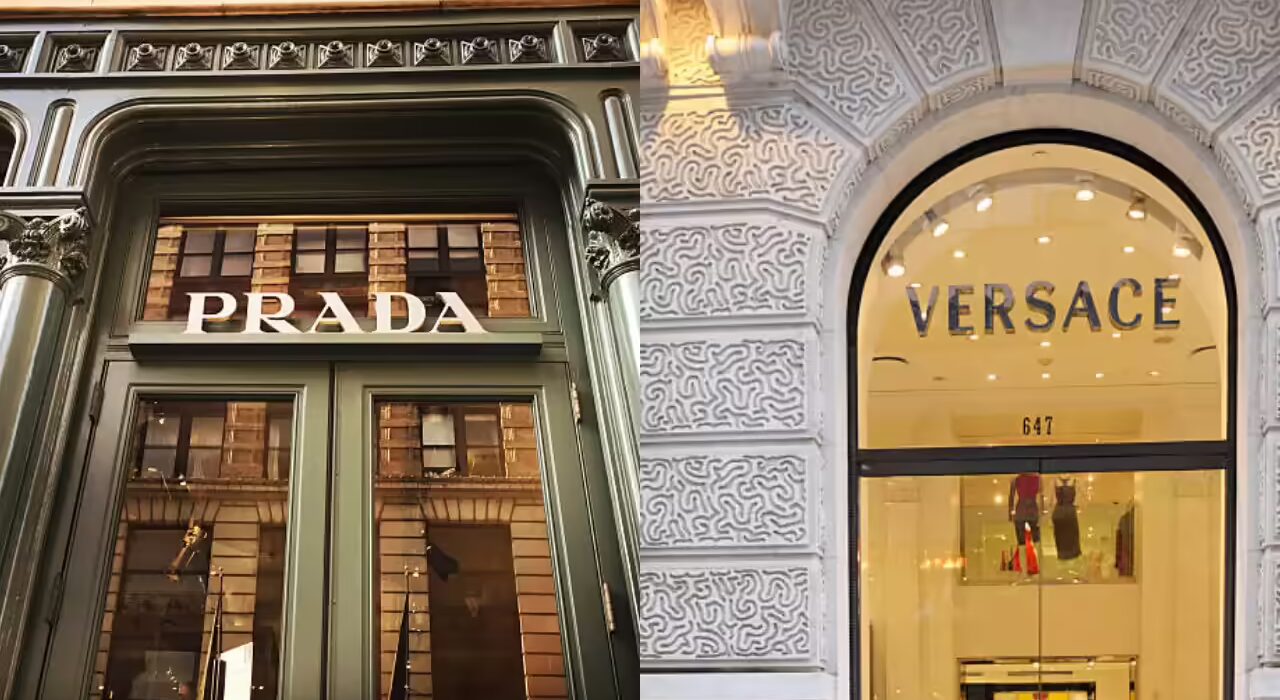
Italy has always been a cradle of artistic excellence, craftsmanship, and cultural refinement. From Renaissance art to modern cinema, Italian creativity has shaped global aesthetics for centuries. In the world of luxury fashion, Italy’s influence is unrivalled, with Milan standing alongside Paris as one of the most powerful fashion capitals in the world. At the heart of this dominance are two iconic houses—Prada and Versace—brands that represent not just luxury, but two distinct philosophies of design, identity, and cultural impact. Together, they embody the depth, diversity, and enduring power of Italian fashion.
Though often contrasted for their opposing aesthetics, Prada and Versace share an equal level of global recognition and authority. One thrives on intellectual minimalism and conceptual depth, while the other celebrates bold glamour and sensual excess. Yet both have shaped fashion history, influenced pop culture, and remained relevant across generations.
Italy’s Fashion DNA: Craftsmanship Meets Vision
Italian luxury fashion is built on a foundation of exceptional craftsmanship, innovation, and emotional storytelling. What sets Italian houses apart is their ability to blend artisanal tradition with modern thinking. Prada and Versace exemplify this balance in different ways—Prada through quiet innovation and cultural introspection, and Versace through fearless self-expression and visual drama.
These brands are not merely trendsetters; they are cultural voices that respond to social shifts, artistic movements, and evolving identities. Their enduring success lies in the strength of their storytelling and their ability to connect emotionally with audiences worldwide.
Prada: The Power of Intellectual Fashion
Founded in 1913 in Milan by Mario Prada, Prada began as a luxury leather goods company serving the European aristocracy. The brand’s early success came from its meticulous craftsmanship and refined materials. However, Prada’s true transformation began in 1978, when Miuccia Prada, Mario Prada’s granddaughter, assumed leadership and redefined the brand’s creative direction.
Redefining Luxury Through Thought
Miuccia Prada introduced a radical idea: luxury does not need to be loud or decorative to be powerful. Instead, it can be subtle, intellectual, and even uncomfortable. Prada became known for challenging traditional beauty standards through what critics often describe as “ugly chic”—a deliberate move away from obvious glamour toward complex, thought-provoking design.
Prada’s collections frequently explore themes such as feminism, power structures, consumerism, and identity. Runway shows feel more like conceptual art installations than traditional fashion presentations. This cerebral approach has positioned Prada as a favorite among thinkers, creatives, and cultural tastemakers.
Minimalism with Meaning
Unlike minimalist brands that focus solely on clean aesthetics, Prada infuses minimalism with narrative depth. Nylon—once considered an unconventional luxury material—became one of Prada’s most iconic elements, symbolizing modernity and functional elegance. The brand’s tailoring is sharp yet understated, while its color palettes often carry emotional or symbolic weight.
Cultural Influence Beyond Fashion
Prada’s impact extends far beyond clothing. Through initiatives such as the Fondazione Prada, the house actively engages with contemporary art, cinema, architecture, and philosophy. These cultural investments reinforce Prada’s identity as an intellectual force rather than just a fashion brand.
Global Recognition and Modern Evolution
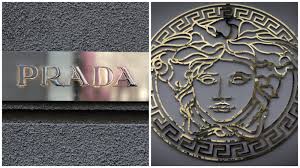
Despite its restrained aesthetic, Prada enjoys immense global visibility. The iconic triangle logo, structured handbags, and sleek footwear are instantly recognizable symbols of quiet luxury. In recent years, Prada has successfully adapted to the digital age, collaborating with artists, engaging younger consumers, and embracing sustainability initiatives—all while preserving its core identity.
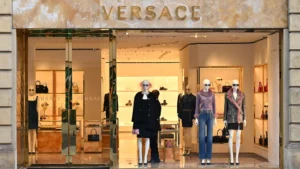
Versace: The Language of Glamour and Power
Founded in 1978 by Gianni Versace, Versace entered the fashion world with an entirely different energy. While many designers focused on subtle elegance, Gianni Versace celebrated boldness, sensuality, and theatricality. His designs were unapologetically glamorous, redefining what luxury could look like in the modern era.
Maximalism as Identity
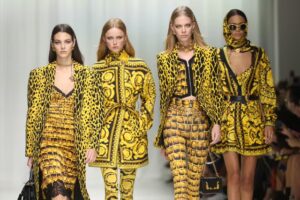
Versace’s aesthetic is instantly identifiable. From baroque prints and gold embellishments to vibrant colors and body-hugging silhouettes, the brand thrives on maximalism. At the center of its visual identity is the Medusa logo, symbolizing power, desire, and hypnotic beauty.
Versace designs are meant to make statements. They celebrate confidence, sexuality, and individuality, often blurring the line between fashion and performance.
Fashion Meets Celebrity Culture
Versace was one of the first luxury brands to fully embrace celebrity culture as a core part of its identity. Gianni Versace formed close relationships with musicians, actors, and supermodels, transforming runway shows into star-studded events. The brand played a crucial role in the rise of the supermodel era of the 1990s.
Perhaps the most iconic Versace moment remains Jennifer Lopez’s green jungle dress at the 2000 Grammy Awards—a look so impactful that it led to the creation of Google Images. This moment cemented Versace’s reputation as a brand capable of shaping global pop culture.
Carrying the Legacy Forward
After Gianni Versace’s tragic death in 1997, the house was taken over by his sister Donatella Versace, who preserved the brand’s DNA while modernizing its appeal. Under her leadership, Versace has embraced diversity, inclusivity, and contemporary social values without losing its signature glamour.
Donatella’s Versace remains fearless, sensual, and visually powerful, appealing to a new generation of fashion lovers who value self-expression and individuality.
Two Philosophies, One Global Impact
While Prada and Versace appear to stand on opposite ends of the fashion spectrum, their differences highlight the richness of Italian luxury rather than division.
Prada speaks to the mind—intellectual, restrained, and conceptual.
Versace speaks to the senses—bold, emotional, and visually intoxicating.
Both houses possess:
-
Iconic branding recognized worldwide
-
Strong creative leadership rooted in family legacy
-
Cultural relevance beyond fashion
-
A loyal global consumer base
Together, they demonstrate that a single aesthetic does not define luxury, but by authenticity and clarity of vision.
The Future of Italian Fashion Icons
As the fashion industry evolves, both Prada and Versace continue to adapt to changing consumer expectations, digital innovation, and sustainability demands. Prada leads conversations around responsible luxury and intellectual engagement, while Versace continues to champion confidence, inclusivity, and bold self-expression.
Their ability to evolve without losing identity is what ensures their longevity. In a world of rapidly changing trends, Prada and Versace remain constants—symbols of Italian excellence that continue to shape fashion, culture, and global style narratives.
Conclusion
Prada and Versace are not merely luxury brands; they are cultural institutions that represent two powerful interpretations of Italian fashion. One whispers with intelligence and depth, the other speaks boldly with glamour and emotion. Together, they prove that strength in fashion lies not in conformity, but in conviction.
Through over a century of Prada’s intellectual innovation and decades of Versace’s fearless glamour, these Italian fashion houses have secured their place at the pinnacle of global luxury. Their enduring influence reminds us that true brand recognition is built not just on logos or trends, but on identity, storytelling, and the courage to remain distinct.