




Louis Vuitton: A Legacy of Luxury, Innovation, and Global Influence!
Louis Vuitton is one of the most iconic and prestigious luxury brands in the world. Known for its timeless elegance, exceptional craftsmanship, and innovative designs, the brand has become synonymous with luxury fashion. Founded in 1854 in Paris, Louis Vuitton has evolved from a small luggage workshop into a global powerhouse in fashion, accessories, and lifestyle products. Today, it is part of LVMH (Moët Hennessy Louis Vuitton), the world’s largest luxury goods conglomerate.
This article explores the rich history, evolution, products, marketing strategies, and global impact of Louis Vuitton, highlighting how it has maintained its position as a leader in the luxury industry for over a century.
History and Origins
Louis Vuitton was founded by a young French craftsman, Louis Vuitton, who began his career as a trunk maker. At the time, travel trunks were heavy, rounded, and difficult to stack. Vuitton revolutionized luggage design by introducing flat-topped trunks that were lightweight and stackable, making travel more convenient.
In 1854, he opened his first workshop in Paris. His innovative approach quickly gained popularity among the French elite, including Empress Eugénie, the wife of Napoleon III. This early success laid the foundation for the brand’s reputation for quality and innovation.
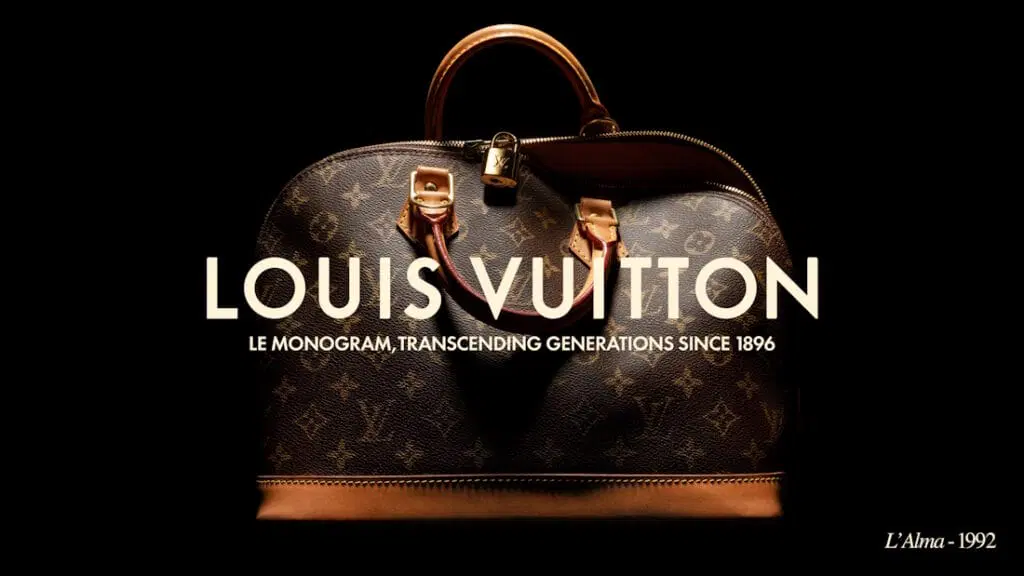
After Louis Vuitton’s death in 1892, his son Georges Vuitton took over the business and expanded its global presence. Georges introduced the famous Monogram Canvas in 1896, which became a symbol of luxury and exclusivity. The monogram also served as a way to combat counterfeiting, a challenge that still exists today.
Expansion and Global Growth
Throughout the 20th century, Louis Vuitton expanded its product line and global reach. Initially focused on luggage, the brand began producing handbags, accessories, and small leather goods. Iconic products such as the Speedy bag, Keepall, and Neverfull became highly sought-after items.
The brand’s international expansion began in the early 1900s, with stores opening in major cities such as New York, London, and Tokyo. This global presence helped Louis Vuitton establish itself as a leading luxury brand worldwide.
In 1987, Louis Vuitton merged with Moët Hennessy to form LVMH. This merger marked a significant turning point, allowing the brand to benefit from greater resources, global distribution, and strategic leadership.
Product Portfolio
Louis Vuitton offers a wide range of luxury products, including:
1. Leather Goods
Leather products remain the core of Louis Vuitton’s business. The brand is renowned for its high-quality materials and meticulous craftsmanship. Popular items include handbags, wallets, belts, and luggage.
2. Fashion
Louis Vuitton entered the fashion industry in 1997 when Marc Jacobs was appointed as the brand’s first Creative Director. Under his leadership, Louis Vuitton launched ready-to-wear collections for men and women, combining traditional craftsmanship with modern design.
3. Accessories
The brand offers a variety of accessories such as sunglasses, watches, jewelry, and scarves. These items complement the brand’s fashion collections and attract a broader audience.
4. Footwear
Louis Vuitton produces luxury footwear, including sneakers, boots, and formal shoes. These products are known for their comfort, style, and premium quality.
5. Perfumes
In recent years, Louis Vuitton has expanded into fragrances, offering a range of perfumes crafted by master perfumers.
Brand Identity and Design Philosophy
Louis Vuitton’s brand identity is built on three core principles:
1. Craftsmanship
Every Louis Vuitton product is handcrafted with precision and attention to detail. The brand uses high-quality materials and employs skilled artisans to ensure durability and excellence.
2. Innovation
From its early trunk designs to modern fashion collections, innovation has always been at the heart of Louis Vuitton. The brand continuously evolves while staying true to its heritage.
3. Exclusivity
Louis Vuitton maintains a sense of exclusivity by controlling distribution and avoiding heavy discounting. This strategy reinforces its luxury status and appeal.
Marketing and Branding Strategy
Louis Vuitton’s marketing strategy plays a crucial role in its success. The brand uses a combination of traditional and modern techniques to maintain its global presence.
1. Celebrity Endorsements
Louis Vuitton collaborates with celebrities and influencers such as Emma Stone, Zendaya, and BTS. These partnerships help the brand reach younger audiences and enhance its image.
2. Limited Editions
The brand frequently releases limited-edition collections, creating a sense of urgency and exclusivity among consumers.
3. Collaborations
Louis Vuitton has collaborated with artists and designers such as Takashi Murakami, Virgil Abloh, and Yayoi Kusama. These collaborations bring fresh creativity and attract diverse audiences.
4. Strong Retail Presence
Louis Vuitton operates flagship stores in major cities worldwide. These stores are designed to provide a luxurious shopping experience.
Digital Transformation
In recent years, Louis Vuitton has embraced digital transformation to stay relevant in a rapidly changing market. The brand uses social media platforms such as Instagram and TikTok to engage with customers and showcase its products.
E-commerce has also become a significant part of the brand’s strategy, allowing customers to purchase products online while maintaining the luxury experience.
Sustainability and Corporate Responsibility
As a global luxury brand, Louis Vuitton has taken steps to promote sustainability and ethical practices. The company focuses on:
- Using sustainable materials
- Reducing environmental impact
- Supporting local communities
- Promoting responsible sourcing
While luxury brands often face criticism for environmental impact, Louis Vuitton continues to improve its sustainability initiatives.
Challenges Faced by Louis Vuitton
Despite its success, Louis Vuitton faces several challenges:
1. Counterfeiting
Counterfeit products remain a major issue for the brand. Louis Vuitton invests heavily in anti-counterfeiting measures to protect its intellectual property.
2. Changing Consumer Preferences
Modern consumers, especially younger generations, value sustainability and authenticity. Louis Vuitton must adapt to these changing preferences.
3. Competition
The luxury market is highly competitive, with brands like Gucci, Chanel, and Prada competing for market share.
Cultural Impact
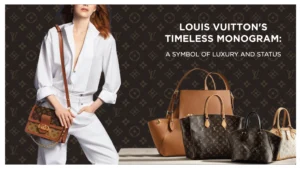
Louis Vuitton has had a significant impact on global culture and fashion. The brand is often seen as a status symbol, representing wealth, success, and sophistication.
Its iconic monogram is recognized worldwide, making it one of the most influential luxury brands in history. Louis Vuitton has also played a role in shaping modern fashion trends through its innovative designs and collaborations.
Future Outlook
The future of Louis Vuitton looks promising. The brand continues to innovate, expand its product offerings, and strengthen its global presence.
Key areas of focus include:
- Expanding digital capabilities
- Enhancing sustainability efforts
- Targeting younger audiences
- Exploring new markets
With strong leadership and a rich heritage, Louis Vuitton is well-positioned to remain a leader in the luxury industry.
Conclusion
Louis Vuitton is more than just a luxury brand; it is a symbol of excellence, innovation, and timeless style. From its humble beginnings as a trunk maker to its current status as a global fashion leader, the brand has consistently evolved while maintaining its core values.
Through its commitment to quality, creativity, and exclusivity, Louis Vuitton has built a legacy that continues to inspire the world. As the luxury industry evolves, Louis Vuitton’s ability to adapt and innovate will ensure its continued success for generations to come.