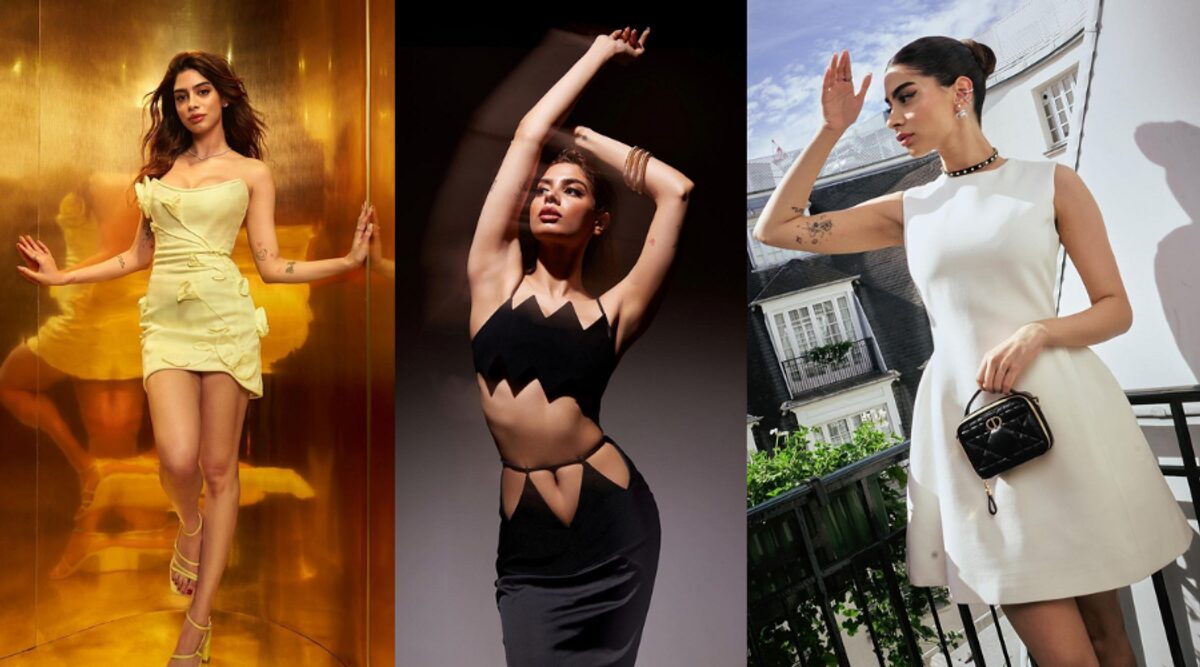




Everlane: Redefining Modern Fashion Through Minimalism, Transparency, and Timeless Style!

In a fashion industry often driven by rapidly changing trends, Everlane has built its identity around a different philosophy: simplicity, quality, and transparency. Founded in San Francisco, Everlane emerged as a contemporary fashion brand focused on creating thoughtfully designed wardrobe essentials while giving consumers greater insight into how products are made and priced. Over the years, the brand has developed a distinctive aesthetic that combines modern minimalism with everyday practicality.
Everlane’s appeal lies in its ability to make basic clothing feel elevated. A simple T-shirt, tailored trouser, cashmere sweater, denim jacket, or leather shoe can become an important part of a modern wardrobe when it is designed with careful attention to silhouette, fabric, fit, and functionality. Rather than relying heavily on seasonal trends, Everlane has traditionally focused on pieces that can be worn repeatedly and styled in different ways.
The Beginning of Everlane
Everlane was founded in 2010 by Michael Preysman with a vision of creating a more transparent relationship between fashion brands and consumers. At a time when online shopping was rapidly changing the retail landscape, Everlane positioned itself as a digitally focused brand that would communicate directly with customers.
One of the company’s defining ideas was “radical transparency.” Everlane aimed to provide consumers with information about the real costs involved in producing its products, including materials, labor, transportation, and other expenses. The concept challenged the traditional fashion model in which shoppers often have limited knowledge about how products are priced or where they are manufactured.
This approach helped Everlane differentiate itself from both traditional retailers and fast-fashion companies. Instead of encouraging customers to constantly purchase new trends, the brand promoted the idea of investing in well-designed essentials that could remain relevant for years.
The Everlane Aesthetic
Everlane’s visual identity is strongly connected to minimalism. Clean lines, neutral colors, understated details, and versatile silhouettes are recurring elements throughout its collections.
The brand’s clothing is designed to fit naturally into an existing wardrobe. A crisp shirt can be worn with tailored trousers for the office, paired with denim for a casual weekend look, or layered beneath a blazer for a more polished outfit. Similarly, a neutral sweater can work across multiple seasons and occasions.
This versatility is central to Everlane’s philosophy. Rather than designing clothing that demands attention through dramatic embellishment, the brand often allows the quality of the material, construction, and silhouette to speak for itself.
The result is a wardrobe that feels modern without being overly fashionable in the traditional sense. Everlane’s designs tend to emphasize longevity and adaptability, making them particularly attractive to consumers who prefer a refined and understated personal style.
A Focus on Wardrobe Essentials
Everlane has become particularly recognized for its everyday essentials. These products often form the foundation of a contemporary wardrobe.
T-shirts, sweaters, denim, trousers, dresses, outerwear, bags, and footwear have all played important roles in the brand’s product offering. The emphasis is generally on pieces that can be mixed and matched rather than isolated statement garments.
For many consumers, the attraction of this approach is practicality. Instead of purchasing a large number of trend-driven pieces, shoppers can build a smaller collection of garments that work together.
A well-fitted pair of trousers, for example, can become a foundation for countless outfits. A classic coat can transition from professional settings to casual occasions. A high-quality knit can be layered over shirts, worn beneath jackets, or styled independently.
This focus on versatility has helped Everlane become associated with the concept of the modern capsule wardrobe.

Transparency as a Brand Philosophy
Perhaps Everlane’s most recognizable contribution to fashion discussions has been its emphasis on transparency.
The brand’s transparency philosophy originally focused on explaining the economics behind its products. Consumers were given information intended to show how costs were distributed across areas such as materials, labor, transportation, and company operations.
This concept resonated with a growing group of shoppers who wanted to understand more about the products they purchased. Fashion consumers were increasingly asking questions about manufacturing, working conditions, pricing, and environmental impact.
Transparency also changed the relationship between the customer and the brand. Instead of simply presenting a finished product, Everlane attempted to tell the story behind it.
That storytelling became part of the company’s identity. Product pages and brand communications were used not only to describe what an item looked like but also to explain its materials, construction, and production.
The Importance of Quality
Quality has remained another important part of Everlane’s positioning.
The brand’s approach is centered on creating products that can become long-term wardrobe staples. Fabrics and construction techniques are therefore important components of its product strategy.
Cotton, denim, wool, cashmere, leather, and other materials are commonly incorporated into collections. The emphasis is often on familiar materials presented through modern silhouettes.
Quality does not necessarily mean creating highly complicated garments. In fact, one of Everlane’s strengths is the ability to make a straightforward design feel premium through details such as fabric weight, stitching, proportions, and finishing.
This is particularly relevant in basic clothing. When a garment has no elaborate decoration, the quality of its construction becomes more visible. A T-shirt needs to fit well, maintain its shape, feel comfortable, and remain useful after repeated wear.
Everlane and Sustainable Fashion
Sustainability has become an increasingly important topic within the fashion industry, and Everlane has participated in this broader conversation.
The company has introduced initiatives related to materials, manufacturing, packaging, and product development with the goal of reducing environmental impact. Its communications have also highlighted efforts to incorporate recycled and lower-impact materials into selected products.
One of the larger ideas associated with sustainable fashion is encouraging consumers to buy fewer, better products and use them for longer. Everlane’s focus on wardrobe essentials naturally connects with this philosophy.
However, sustainability in fashion is complex. The environmental impact of clothing involves raw materials, water consumption, energy use, transportation, manufacturing, packaging, product lifespan, and disposal. No single initiative can solve all of these challenges.
For consumers, this means that sustainable fashion is not simply about buying from a particular brand. It also involves understanding materials, purchasing habits, garment care, repair, reuse, and eventual disposal.
Everlane’s emphasis on durability and timeless design therefore forms an important part of the broader sustainability discussion.
Everlane’s Approach to Denim
Denim has been an important category for Everlane and represents the brand’s ability to combine everyday practicality with modern design.
Jeans are among the most frequently worn items in many wardrobes, which makes fit and durability especially important. Everlane has offered a range of silhouettes designed to accommodate different preferences, from classic straight-leg styles to contemporary relaxed shapes.
The brand’s denim strategy reflects its larger philosophy: familiar wardrobe staples redesigned with attention to fit, fabric, and comfort.
Denim also demonstrates why timeless fashion can be valuable. A well-designed pair of jeans does not necessarily become irrelevant when a particular trend disappears. Instead, the garment can be restyled over time.
Footwear and Accessories
Everlane’s philosophy extends beyond clothing into footwear and accessories.
Shoes and bags are designed to complement the brand’s understated clothing collections. Simple sneakers, loafers, boots, sandals, and other everyday styles can be integrated into multiple outfits.
Accessories are similarly designed around functionality and versatility. Rather than dominating an outfit, they often serve as finishing pieces.
This creates a cohesive wardrobe where clothing, footwear, and accessories can easily work together.
For consumers who appreciate minimalist dressing, this consistency can be particularly appealing. The pieces do not require extensive styling knowledge because many of them are intentionally designed to coordinate naturally.

The Role of Digital Retail
Everlane was born during a period when e-commerce was transforming fashion retail, and digital commerce became central to the company’s identity.
Selling primarily through digital channels allowed Everlane to communicate directly with customers and build a distinctive online shopping experience. Product photography, descriptions, material information, and brand storytelling became important elements of the purchasing journey.
The online-first model also allowed the company to build a community around its philosophy rather than depending entirely on traditional department-store distribution.
As consumer expectations evolved, Everlane expanded its physical retail presence as well. Stores provide customers with an opportunity to experience fabrics, examine construction, and try on products before purchasing.
The combination of digital convenience and physical retail experience reflects the broader transformation of contemporary fashion shopping.
Everlane and the Modern Consumer
Everlane’s target customer is often associated with a desire for simplicity, quality, and conscious consumption.
The modern fashion consumer is increasingly interested not only in how clothing looks but also in how it fits into everyday life. People may want clothes that work across professional environments, travel, social occasions, and casual settings.
This lifestyle-oriented approach helps explain the popularity of wardrobe essentials.
Everlane’s understated aesthetic can also appeal to consumers who prefer a polished appearance without obvious branding. In an era when logos and statement pieces dominate parts of the fashion market, minimalist clothing can communicate confidence through subtlety.
The brand’s appeal is therefore not based solely on individual products. It is also connected to a broader lifestyle philosophy: buy thoughtfully, dress simply, and prioritize pieces that can be worn repeatedly.
Styling Everlane
One of the most appealing aspects of Everlane is how easily its pieces can be styled.
A classic white or neutral T-shirt can be paired with straight-leg jeans and sneakers for a casual look. The same T-shirt can be tucked into tailored trousers and combined with loafers for a more sophisticated outfit.
A simple knit sweater can be layered over a button-down shirt for a professional appearance or worn with denim for a relaxed weekend outfit.
Outerwear can similarly transform an outfit. A structured coat can instantly elevate basic clothing, while a relaxed jacket can create a more casual silhouette.
The key to styling Everlane is not complexity. Instead, the brand works particularly well when different textures, proportions, and neutral shades are combined.
This makes it a natural choice for people who enjoy capsule wardrobes and effortless dressing.
The Power of Minimalism
Minimalism has influenced fashion for decades, but its relevance continues to grow.
In a world filled with constant trend cycles, minimalist fashion offers an alternative. Instead of asking consumers to replace their wardrobes every season, it encourages them to develop a personal uniform based on pieces they genuinely enjoy wearing.
Everlane fits comfortably within this movement.
Its designs are often simple enough to remain useful beyond a single season. This does not mean that the clothing lacks personality. Instead, personality can come from how an individual styles the pieces.
One person might combine a simple blazer with sneakers and denim, while another might style the same blazer with trousers and heels. The clothing becomes a flexible foundation rather than a fixed fashion statement.
Challenges and Criticism
Like every major fashion company, Everlane has faced scrutiny and criticism over the years.
The fashion industry operates within a complicated global supply chain, and claims around transparency, sustainability, and ethical production require continuous evaluation. Consumers and industry observers increasingly expect companies to provide clear information and demonstrate meaningful progress rather than relying only on marketing language.
There are also broader questions about consumption. Even a thoughtfully designed garment has an environmental impact from the moment raw materials are produced until the item is eventually discarded.
These challenges highlight the fact that responsible fashion is an ongoing process.
For Everlane, maintaining credibility means continuing to evolve its practices, communicate clearly with consumers, and address the environmental and social complexities of modern apparel production.
Everlane’s Influence on Contemporary Fashion
Everlane’s greatest influence may be the way it helped normalize transparency as part of fashion branding.
Today, consumers frequently expect information about materials, factories, production methods, sustainability initiatives, and pricing. While transparency existed before Everlane, the brand helped make it a central part of a contemporary fashion company’s identity.
Its minimalist aesthetic also contributed to the continued popularity of understated wardrobe staples.
The idea that everyday clothing can be elevated through quality, fit, and thoughtful design has become increasingly influential across the fashion industry.
Many contemporary brands now operate within a similar space, offering modern basics and emphasizing responsible consumption, direct-to-consumer relationships, and digital storytelling.
The Future of Everlane
The future of Everlane will depend on how effectively it balances its original philosophy with the changing expectations of fashion consumers.
Customers increasingly want more than attractive clothing. They want brands that demonstrate accountability, offer greater transparency, reduce environmental impact, and provide genuine value.
At the same time, fashion remains an emotional industry. People want clothing that makes them feel confident, comfortable, and expressive.
Everlane’s challenge is to maintain its minimalist identity while continuing to innovate.
New materials, improved manufacturing processes, evolving silhouettes, digital retail experiences, and changing consumer preferences will all shape the brand’s future.
Its strongest opportunity may lie in continuing to refine what it already does well: creating versatile clothing that fits naturally into modern life while giving customers more information about the products they purchase.

Conclusion
Everlane represents a distinctive chapter in the evolution of modern fashion. From its beginnings as a digitally focused company to its development into a recognizable contemporary lifestyle brand, it has built its reputation around simplicity, transparency, quality, and everyday functionality.
Its clothing demonstrates that fashion does not always need to be loud to be meaningful. A well-designed shirt, pair of trousers, sweater, coat, or pair of jeans can become an important part of someone’s personal style when it is comfortable, versatile, and made to be worn repeatedly.
The brand’s focus on transparency also reflects a larger shift in consumer expectations. Shoppers increasingly want to know what they are buying, where it comes from, how it is made, and why it costs what it does.
Ultimately, Everlane’s appeal comes from a simple idea: fashion should work for real life. Its minimalist designs provide a foundation rather than dictating an entire look. Its emphasis on quality encourages thoughtful purchasing, while its transparency philosophy invites consumers to look more closely at the fashion industry.
In a market dominated by constant change, Everlane continues to represent the value of restraint. Its approach shows that modern style can be understated, versatile, and purposeful—and that the most valuable pieces in a wardrobe are often the ones that can be worn again and again.