







Cetaphil: A Trusted Name in Gentle Skincare!
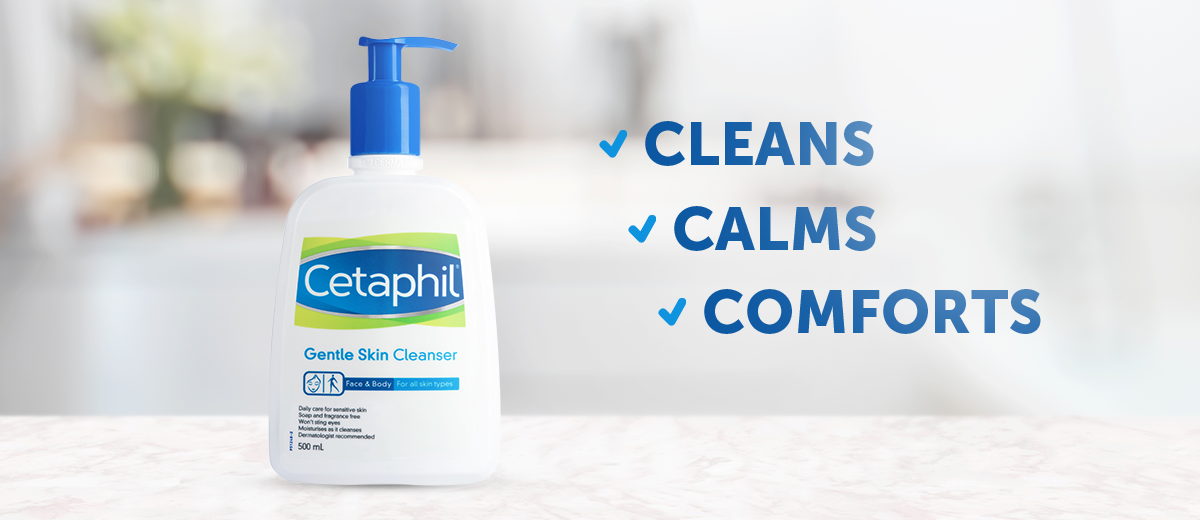
In the world of skincare, where trends change rapidly and new products appear almost daily, few brands have managed to maintain long-standing trust across generations. Cetaphil is one such brand. Known for its gentle formulations, dermatologist recommendations, and focus on sensitive skin, Cetaphil has become a household name worldwide. From drugstore shelves to dermatology clinics, the brand has carved out a unique position as a reliable solution for people seeking effective yet non-irritating skincare.
This article explores Cetaphil’s history, philosophy, product range, scientific approach, benefits, criticisms, and its place in modern skincare routines.
The Origins and History of Cetaphil
Cetaphil was first introduced in 1947 by a Texas-based pharmacist. Initially, the brand’s products were created specifically for dermatologists to recommend to patients with sensitive or compromised skin. One of the earliest and most iconic products, Cetaphil Gentle Skin Cleanser, was not even sold directly to consumers at first—it was dispensed in dermatology offices.
Over time, as demand grew, Cetaphil expanded into retail markets. The brand is now owned by Galderma, a global dermatology company known for medical-grade skin treatments and aesthetic solutions. This close relationship with dermatological science has played a key role in shaping Cetaphil’s image as a clinically trusted skincare brand.
Brand Philosophy: Gentle, Effective, and Inclusive
Cetaphil’s core philosophy revolves around skin barrier protection and gentle care. Unlike trend-driven brands that focus on aggressive exfoliation or high concentrations of active ingredients, Cetaphil emphasizes:
-
Minimal irritation
-
Barrier repair and hydration
-
Suitability for sensitive skin
-
Clinically tested formulas
The brand avoids unnecessary fragrance and harsh ingredients in most of its products. Cetaphil also aims to be inclusive, designing products suitable for all skin types, ages, and ethnicities, including infants and people with medical skin conditions.
Understanding Cetaphil’s Product Categories
Cetaphil offers a wide range of skincare products designed for everyday use. While the brand continues to expand, its offerings can be broadly categorized as follows:
1. Cleansers
Cleansers are Cetaphil’s most well-known products. They are designed to clean the skin without stripping away natural oils.
Popular cleansers include:
-
Cetaphil Gentle Skin Cleanser
-
Cetaphil Daily Facial Cleanser
-
Cetaphil Oily Skin Cleanser
-
Cetaphil Hydrating Cream-to-Foam Cleanser
These cleansers are soap-free, low-lathering, and pH-balanced, making them suitable for sensitive and acne-prone skin.
2. Moisturizers
Moisturization is a key focus of the brand. Cetaphil moisturizers aim to restore and strengthen the skin’s moisture barrier.
Key products include:
-
Cetaphil Moisturizing Cream
-
Cetaphil Daily Hydrating Lotion
-
Cetaphil Advanced Relief Lotion
Many of these products contain ingredients such as glycerin, niacinamide, panthenol, and ceramides, which help attract moisture and improve skin resilience.
3. Sunscreens
Cetaphil sunscreens are formulated for daily use and sensitive skin. They offer broad-spectrum protection against UVA and UVB rays.
Features typically include:
-
Lightweight textures
-
Non-comedogenic formulas
-
Options for mineral and chemical filters
Sun protection is increasingly emphasized in Cetaphil’s newer product lines, reflecting growing awareness of sun damage and premature aging.
4. Specialized Skincare Lines
Cetaphil has expanded into targeted solutions, including:
-
Cetaphil PRO / DermaControl – for acne-prone and oily skin
-
Cetaphil Baby – ultra-gentle products for infants and children
-
Cetaphil Bright Healthy Radiance – products targeting dullness and uneven skin tone
-
Cetaphil Eczema Restoraderm – formulated to soothe dry, itchy, eczema-prone skin
These specialized lines allow Cetaphil to address a wide range of dermatological concerns while maintaining its gentle approach.
The Science Behind Cetaphil
Cetaphil emphasizes clinically tested and dermatologist-recommended formulations. The brand invests in research focused on skin barrier science, hydration, and tolerance testing.
Key Scientific Principles:
-
Skin Barrier Repair: Healthy skin relies on a strong barrier to retain moisture and protect against irritants. Cetaphil products often include ceramides and emollients to support this barrier.
-
Low Irritation Potential: Products undergo testing on sensitive skin and are designed to minimize allergic reactions.
-
pH Balance: Maintaining the skin’s natural pH helps reduce inflammation and dryness.
Rather than marketing itself as “miracle skincare,” Cetaphil positions its products as consistent, supportive care—especially for people whose skin reacts badly to harsher treatments.
Who Should Use Cetaphil?
Cetaphil is particularly suitable for:
-
People with sensitive skin
-
Individuals with eczema, rosacea, or acne
-
Those using prescription dermatological treatments
-
Children and infants
-
People seeking simple, no-frills skincare routines
It is also popular among dermatologists who recommend it as a baseline skincare routine that can be safely paired with active treatments like retinoids or acne medications.
Strengths of the Cetaphil Brand
1. Dermatologist Trust
Cetaphil consistently ranks among the most dermatologist-recommended skincare brands worldwide.
2. Accessibility
The brand is widely available and affordable compared to luxury skincare brands.
3. Gentle Formulas
Cetaphil products are often fragrance-free and non-comedogenic.
4. Suitable for Daily Use
Products are designed for long-term, consistent use without damaging the skin barrier.
Criticisms and Limitations
Despite its popularity, Cetaphil is not without criticism.
1. “Too Basic” for Some Users
Skincare enthusiasts who enjoy strong actives like acids, vitamin C, or retinol may find Cetaphil products too mild.
2. Ingredient Changes
Some long-time users have expressed dissatisfaction with formula updates, especially when new ingredients cause breakouts or irritation.
3. Not Always Vegan or Cruelty-Free
Cetaphil’s cruelty-free status has been debated, depending on regional regulations and testing requirements.
4. Limited Focus on Anti-Aging
While excellent for hydration and barrier care, Cetaphil is not primarily an anti-aging brand.
Cetaphil in Modern Skincare Culture
In an era dominated by social media skincare trends, Cetaphil stands out by not chasing hype. Instead, it has gained renewed popularity through the “skin barrier repair” movement, which emphasizes gentle cleansing and hydration over aggressive treatments.
Many dermatologists and skincare professionals recommend Cetaphil as part of a “skin reset” routine when the skin is damaged, inflamed, or over-exfoliated.
Comparing Cetaphil to Other Brands
Cetaphil is often compared with brands like CeraVe, La Roche-Posay, and Eucerin. While all focus on dermatologist-backed care:
-
Cetaphil prioritizes simplicity and gentleness
-
CeraVe emphasizes ceramides and barrier repair
-
La Roche-Posay includes more active treatments
-
Eucerin focuses heavily on medical-grade moisturization
The choice often depends on individual skin needs rather than brand superiority.Conclusion
Cetaphil has earned its reputation as a dependable, dermatologist-trusted skincare brand through decades of consistent performance. While it may not offer flashy packaging or trend-driven formulations, it excels at what it promises: gentle, effective skincare for sensitive and compromised skin.
For those seeking reliable daily care, a supportive base routine, or relief from irritation, Cetaphil remains a strong and sensible choice. Its emphasis on skin health over hype ensures that it will continue to be relevant in an ever-evolving skincare industry.
In a world where skincare can often feel overwhelming, Cetaphil offers something refreshingly simple—care you can trust.