




Burberry: The Timeless Symbol of British Luxury Fashion!
Burberry is one of the world’s most iconic luxury fashion houses, recognized globally for its heritage, craftsmanship, and timeless British elegance. Founded in 1856, the brand has evolved from a small outfitter specializing in outdoor clothing into an internationally celebrated luxury label known for fashion, accessories, fragrances, and innovation. Burberry’s signature trench coats and classic check pattern have become symbols of sophistication and status, admired across generations.
Over the decades, Burberry has maintained its prestigious identity while adapting to modern fashion trends and consumer expectations. The brand blends traditional craftsmanship with contemporary creativity, making it relevant in the highly competitive luxury fashion industry. Today, Burberry stands as a representation of British culture, innovation, and luxury lifestyle.
History and Foundation
Burberry was founded by Thomas Burberry in Basingstoke, England, when he was only 21 years old. His vision was to create clothing that could protect people from the unpredictable British weather while remaining comfortable and stylish. During that era, heavy outerwear was uncomfortable and impractical, which inspired Burberry to innovate.
One of the brand’s most important achievements came in 1879 when Thomas Burberry invented gabardine, a breathable, waterproof fabric that revolutionized rainwear. Gabardine became the foundation of Burberry’s success because it provided durability, weather protection, and comfort.
The innovation quickly attracted explorers, military officers, and adventurers. Burberry clothing was worn during famous expeditions, including polar explorations and aviation journeys. This strong association with adventure and resilience helped establish the brand’s reputation for quality and reliability.
The Iconic Trench Coat
The trench coat is perhaps Burberry’s most famous creation and remains a defining product of the brand. Originally designed for British military officers during World War I, the coat combined functionality with elegance.
Features such as epaulettes, storm shields, and durable gabardine fabric made the trench coat practical for soldiers in harsh conditions. After the war, civilians adopted the trench coat as a fashionable outerwear piece, transforming it into a timeless wardrobe essential.
Today, Burberry trench coats are recognized worldwide for their sophisticated design and exceptional craftsmanship. The trench coat represents classic British fashion and continues to be one of the brand’s best-selling luxury items.
The Signature Burberry Check
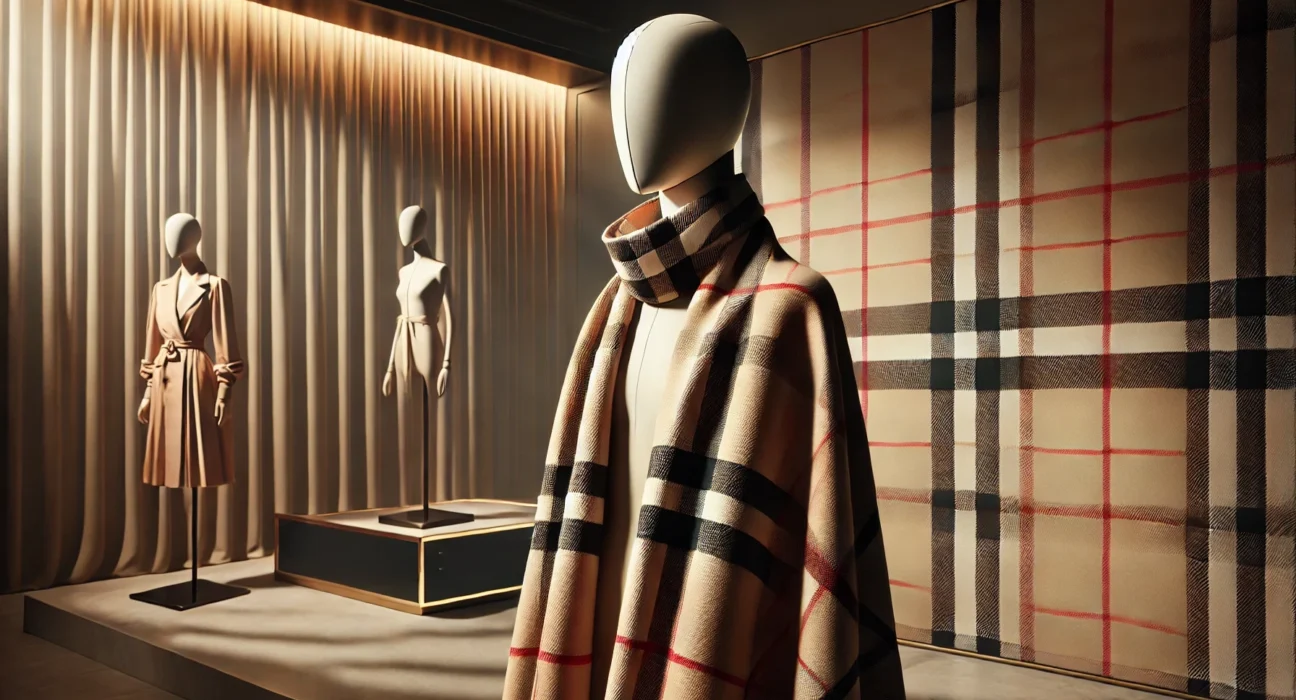
Another iconic element of Burberry’s identity is the famous Burberry Check pattern. Introduced in the 1920s as a lining for trench coats, the beige, black, red, and white check design eventually became one of the most recognizable luxury fashion patterns in the world.
The Burberry Check symbolizes elegance, exclusivity, and heritage. Over time, the pattern expanded beyond trench coat linings to scarves, bags, accessories, shoes, and ready-to-wear collections.
The design has become a major visual identity for the brand and remains deeply associated with luxury British fashion.

Burberry and British Heritage
Burberry’s identity is deeply connected to British culture and heritage. The brand reflects the sophistication, refinement, and tradition often associated with the United Kingdom.
From London Fashion Week presentations to campaigns featuring British actors, musicians, and models, Burberry consistently celebrates British creativity. The brand has worked with famous personalities such as Emma Watson, Kate Moss, Cara Delevingne, and Romeo Beckham, reinforcing its cultural relevance.
Burberry’s connection to British history and elegance differentiates it from other luxury brands and gives it a unique position in global fashion.
Innovation and Technology
Although Burberry is rooted in heritage, it has also been a pioneer in digital innovation within the luxury industry. The company was among the first luxury fashion houses to embrace social media, live-stream runway shows, and integrate digital technology into retail experiences.
Burberry’s flagship stores often feature advanced digital screens, interactive mirrors, and immersive customer experiences that blend fashion with technology. This modern approach has helped the brand attract younger audiences while maintaining its luxury identity.
The brand’s commitment to innovation demonstrates its ability to evolve with changing consumer behaviors and technological advancements.
Fashion Collections and Product Categories
Burberry offers a wide range of luxury products beyond trench coats. Its collections include:
Ready-to-Wear Fashion
Burberry designs luxury clothing for men, women, and children. The collections feature modern tailoring, elegant silhouettes, and British-inspired aesthetics.
Handbags and Accessories
The brand produces luxury handbags, scarves, wallets, belts, and sunglasses known for their premium materials and timeless appeal.
Footwear
Burberry footwear combines comfort with contemporary design, including sneakers, boots, loafers, and formal shoes.
Fragrances and Beauty
Burberry fragrances are popular worldwide, offering sophisticated scents inspired by British elegance. The brand’s perfumes are widely appreciated for their luxurious packaging and distinctive aromas.
Seasonal Collections
Burberry frequently launches seasonal collections that reinterpret classic styles with modern trends, ensuring the brand remains fashionable and relevant.
Celebrity Influence and Pop Culture
Burberry has maintained a strong presence in pop culture and celebrity fashion. Celebrities, musicians, athletes, and influencers regularly wear Burberry on red carpets, fashion events, and social media platforms.
The brand’s association with high-profile personalities has strengthened its image as a symbol of prestige and luxury. Burberry products are often seen as status symbols representing sophistication and success.
In films and television, Burberry trench coats are frequently used to portray elegance, mystery, and classic British style.
Sustainability and Responsibility
In recent years, Burberry has increased its focus on sustainability and responsible fashion practices. The company has introduced environmentally conscious initiatives aimed at reducing waste, improving sourcing practices, and lowering its environmental impact.
Burberry supports sustainable materials, responsible manufacturing, and carbon reduction programs. The brand has also committed to improving transparency within its supply chain and promoting ethical business practices.
Luxury consumers today increasingly value sustainability, and Burberry’s efforts reflect the evolving priorities of the modern fashion industry.
Global Presence
Burberry operates globally with flagship stores in major fashion capitals such as London, Paris, Milan, New York, Dubai, Tokyo, and Shanghai. Its products are also available through luxury department stores and online platforms.
The brand’s international presence has helped it build a loyal customer base across different cultures and markets. Despite its global expansion, Burberry continues to preserve its British identity and heritage.
Marketing and Brand Identity
Burberry’s marketing strategy combines heritage storytelling with contemporary visual aesthetics. Campaigns often highlight themes such as British landscapes, modern elegance, and youthful energy.
The brand’s advertising features cinematic visuals, luxury styling, and emotionally engaging narratives. Burberry also collaborates with artists, musicians, and influencers to connect with younger consumers.
Its strong branding and consistent identity have helped Burberry remain one of the most recognizable luxury fashion houses in the world.
Challenges and Brand Evolution
Like many luxury brands, Burberry has faced challenges related to changing fashion trends, economic fluctuations, and brand positioning. During certain periods, the overuse of the Burberry Check diluted the brand’s exclusivity.
However, Burberry successfully reinvented itself through creative leadership, refined branding strategies, and product innovation. New designers and creative directors introduced fresh perspectives while preserving the company’s heritage.
This ability to balance tradition with transformation has been essential to Burberry’s continued success.
Burberry in the Modern Fashion Industry
Today, Burberry competes with leading luxury fashion houses such as Gucci, Prada, Louis Vuitton, and Dior. Despite intense competition, the brand continues to stand out through its distinctive British identity and timeless products.
The modern luxury consumer values authenticity, heritage, and innovation — qualities that Burberry consistently delivers. Its trench coats, scarves, handbags, and fashion collections remain highly desirable among luxury shoppers worldwide.
Burberry’s influence extends beyond fashion into culture, lifestyle, and global luxury branding.
Conclusion
Burberry represents more than just luxury fashion; it symbolizes heritage, craftsmanship, innovation, and timeless British elegance. From inventing gabardine fabric to creating the iconic trench coat and signature check pattern, Burberry has played a significant role in shaping the global fashion industry.
The brand’s journey from a small English outfitter to an internationally recognized luxury powerhouse reflects its commitment to quality, creativity, and evolution. By successfully blending tradition with modernity, Burberry continues to inspire fashion lovers across generations.
Today, Burberry remains a symbol of sophistication, resilience, and luxury lifestyle, maintaining its place among the world’s most respected and admired fashion brands.