



Bottega Veneta: The Art of Quiet Luxury and Italian Craftsmanship!

Bottega Veneta is one of the most influential names in contemporary luxury fashion, celebrated for its exceptional Italian craftsmanship, sophisticated leather goods, distinctive woven designs, and understated approach to branding. Rather than relying heavily on prominent logos, the house has built its identity around quality, craftsmanship, design, texture, and recognisable silhouettes.
Founded in Vicenza, Italy, in 1966, Bottega Veneta began as a leather goods company. Its name translates roughly to “Venetian shop,” reflecting its Italian origins and artisanal foundations. Over the decades, the brand evolved from a specialist leather house into a global luxury fashion label offering ready-to-wear, handbags, footwear, jewellery, accessories, fragrances, and lifestyle products.
One of Bottega Veneta’s most defining ideas is that luxury does not always have to announce itself. The house has famously embraced a discreet aesthetic in which craftsmanship and design speak louder than logos. This philosophy has helped Bottega Veneta become particularly influential in the modern movement often described as quiet luxury.
The Origins of Bottega Veneta
Bottega Veneta was established in 1966 in Vicenza by Renzo Zengiaro and Michele Taddei. From the beginning, the company focused on producing high-quality leather goods.
The region of Veneto has a long tradition of craftsmanship, and this environment provided an appropriate foundation for the brand. Skilled artisans worked with leather to create handbags, luggage, shoes, and other accessories.
Rather than building its identity around a large and obvious logo, Bottega Veneta concentrated on the quality of its products.
This approach became one of the company’s most distinctive characteristics.
The philosophy could be summed up through the house’s famous idea:
“When your own initials are enough.”
The message reflected a belief that customers who appreciate luxury do not necessarily need to display a prominent brand name.
The Importance of Italian Craftsmanship
Craftsmanship is at the heart of Bottega Veneta.
Leather goods require considerable technical expertise. Artisans need to understand how leather behaves, how it can be cut and shaped, and how different techniques affect the final appearance and durability of a product.
Bottega Veneta has historically placed strong emphasis on handcrafting and attention to detail.
The brand’s products demonstrate the importance of construction. Seams, edges, handles, closures, proportions, and surface textures all contribute to the overall design.
This is particularly important because the house does not depend heavily on visible branding. When a product has little or no logo, the craftsmanship becomes the primary means of communicating luxury.
Intrecciato: The Signature Technique
Perhaps no design element is more closely associated with Bottega Veneta than Intrecciato.
The technique involves weaving strips of leather together to create a distinctive interlaced surface.
Intrecciato became one of the house’s signature design codes because it was both functional and visually recognisable.
The weaving technique can strengthen leather while creating a flexible and tactile surface. Over time, it became associated so strongly with Bottega Veneta that a customer could recognise the brand even without seeing its name.
This is one of the strongest examples of how Bottega Veneta created brand recognition through craftsmanship rather than traditional logos.
Intrecciato has appeared across handbags, wallets, shoes, belts, and other accessories.

The Bottega Veneta Approach to Branding
Luxury fashion has traditionally used logos as a way to communicate status and brand identity.
Bottega Veneta took a different approach.
Its products often feature minimal visible branding. Instead, the distinctive shape of a bag, the Intrecciato weave, the quality of leather, or a particular colour can communicate the identity of the house.
This creates a more discreet form of luxury.
The approach became especially relevant as consumers increasingly became interested in understated fashion.
Rather than saying “look at the brand,” Bottega Veneta’s design language often suggests “look at the craftsmanship.”
The Rise of Quiet Luxury
The term quiet luxury became increasingly popular in fashion conversations as consumers began showing greater interest in subtle, high-quality clothing and accessories.
Quiet luxury generally emphasises:
- Excellent materials
- Refined construction
- Timeless silhouettes
- Minimal branding
- Sophisticated colour palettes
- Versatility
- Craftsmanship
Bottega Veneta has long embodied many of these qualities.
Importantly, the brand’s identity predates the recent popularity of the quiet-luxury trend. Its understated approach has been part of its philosophy for decades.
This gives Bottega Veneta a strong position within the contemporary luxury market.
The Pouch
One of Bottega Veneta’s most recognisable modern handbags is The Pouch.
Introduced under the creative direction of Daniel Lee, the design became highly influential in contemporary fashion.
Its soft, gathered silhouette represented a shift away from rigid handbag structures toward more relaxed and sculptural forms.
The Pouch became especially popular among fashion editors, celebrities, influencers, and luxury consumers.
Its success demonstrated Bottega Veneta’s ability to create a modern icon without depending on a traditional logo.
Daniel Lee and the Modern Bottega Veneta
Daniel Lee became Bottega Veneta’s creative director in 2018 and played a major role in the house’s contemporary revival.
His approach introduced a new generation to Bottega Veneta.
Lee maintained the importance of leather craftsmanship while creating more youthful, bold, and visually distinctive designs.
Several products became highly recognisable during this period, including The Pouch, the Cassette bag, and the square-toe footwear that became a major fashion trend.
The brand’s use of vibrant colours also became increasingly prominent.
This period demonstrated that understated branding does not necessarily mean conservative design.
Bottega Veneta could be discreet in its branding while being bold in colour, shape, and proportion.
The Cassette Bag
The Cassette became another major Bottega Veneta design.
Its padded, oversized Intrecciato construction gave the classic weaving technique a modern interpretation.
The design was contemporary, geometric, and instantly recognisable.
The Cassette demonstrated how Bottega Veneta could take a traditional craft technique and transform it into a product that felt completely modern.
The bag also became an important symbol of the brand’s renewed cultural influence.
Matthieu Blazy and Craftsmanship
Following Daniel Lee, Matthieu Blazy became Bottega Veneta’s creative director in 2021.
Blazy continued to develop the house’s emphasis on craftsmanship while introducing his own creative language.
His approach often focused on making extraordinary objects appear deceptively ordinary.
One example was the use of materials and construction techniques to create pieces that looked familiar from a distance but revealed luxury craftsmanship upon closer inspection.
This philosophy reinforced the idea that Bottega Veneta’s luxury is often discovered through detail.
Rather than making every piece immediately recognisable through branding, the house encourages the viewer to look more closely.
The Role of Colour
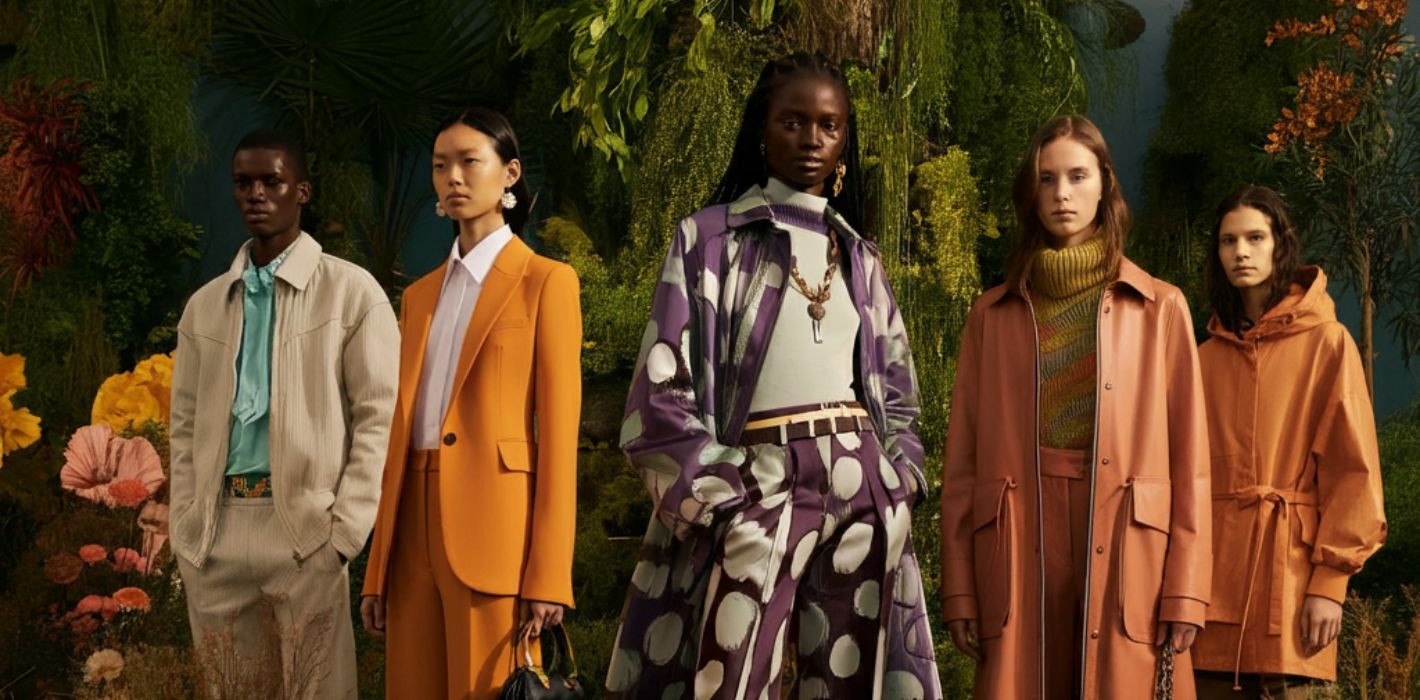
Although Bottega Veneta is associated with understated luxury, colour has played a major role in its modern identity.
The house has used vivid greens, oranges, blues, purples, yellows, and other expressive tones.
This demonstrates that quiet luxury does not necessarily mean neutral colours.
The defining characteristic is often the absence of excessive branding rather than the absence of personality.
A brightly coloured Bottega Veneta bag can still feel sophisticated because the colour is combined with refined materials and craftsmanship.
Ready-to-Wear
Bottega Veneta has expanded significantly beyond handbags.
Its ready-to-wear collections include coats, jackets, trousers, dresses, knitwear, shirts, skirts, and other garments.
The clothing often explores proportion and texture.
Silhouettes may be oversized or sculptural, while fabrics can create interesting movement and depth.
The brand’s approach to ready-to-wear reflects its broader philosophy: familiar fashion categories can be transformed through exceptional construction and unusual details.
Women’s Fashion
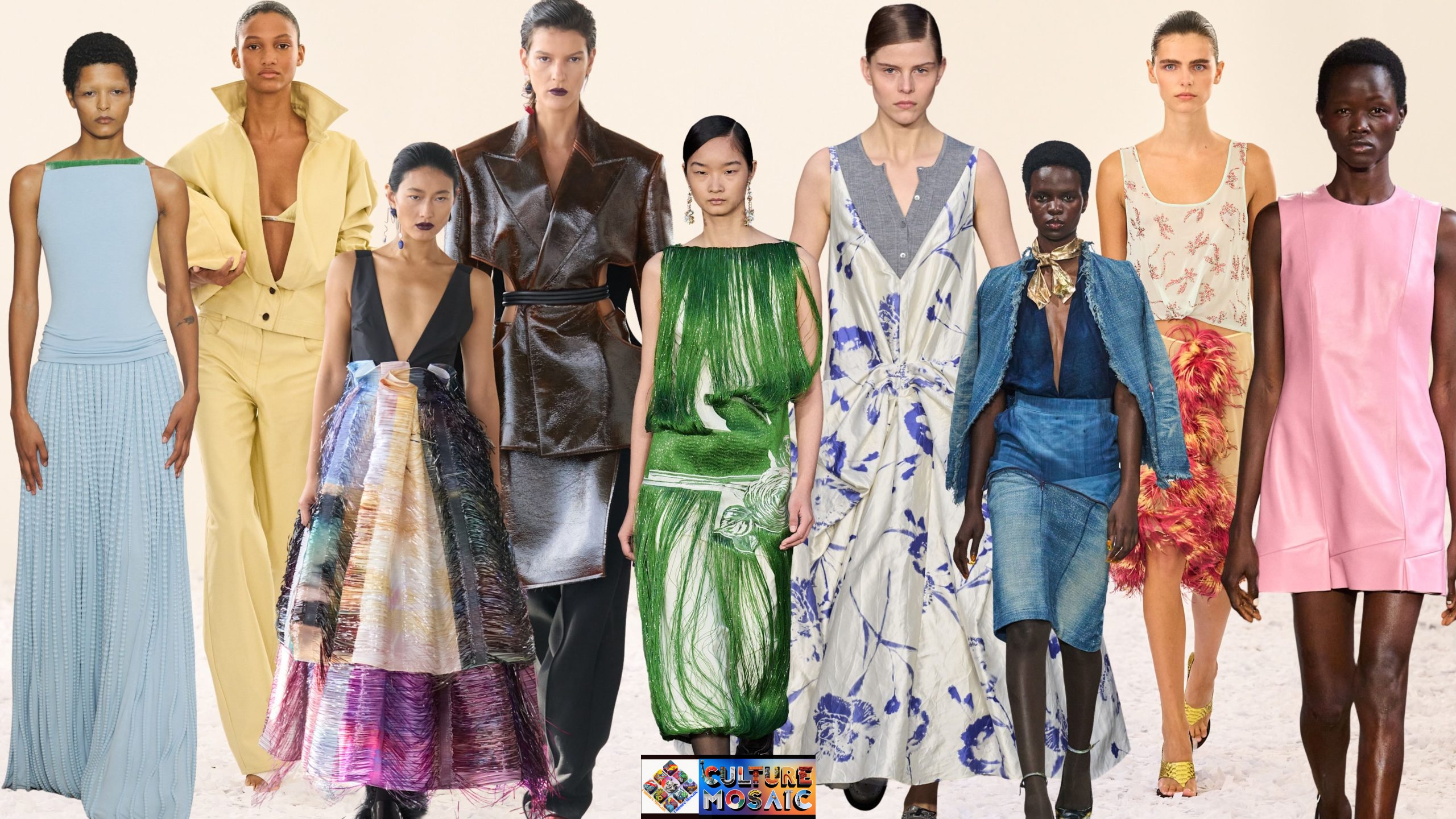
Bottega Veneta womenswear combines sophistication with contemporary experimentation.
The collections can include sharply tailored pieces, fluid dresses, sculptural skirts, knitwear, and statement outerwear.
The emphasis is generally on silhouette rather than excessive decoration.
A simple dress can become distinctive because of its shape or fabric. A coat can become a statement piece through exaggerated proportions.
This allows Bottega Veneta to appeal to customers who want fashion-forward clothing without relying on obvious logos.
Men’s Fashion
Bottega Veneta menswear follows a similar philosophy.
Tailoring, knitwear, outerwear, shirts, trousers, and accessories are often designed with a modern interpretation of classic forms.
Relaxed proportions and unusual textures can make familiar garments feel contemporary.
This creates a wardrobe that is luxurious without appearing overly formal.
The house also demonstrates that menswear can be expressive through colour, shape, and material.

Footwear
Bottega Veneta’s footwear has become increasingly influential.
The brand has created loafers, sandals, boots, heels, sneakers, and other styles that often feature distinctive shapes.
Square-toe footwear became particularly associated with the brand during its modern revival.
The exaggerated shape gave classic footwear a contemporary appearance while maintaining an elegant aesthetic.
Footwear also allows Bottega Veneta to communicate its design identity beyond handbags.
Accessories
Accessories are an important part of the Bottega Veneta universe.
Wallets, belts, sunglasses, jewellery, scarves, and other pieces extend the brand’s design language.
Many accessories incorporate the Intrecciato technique or other recognisable details.
Jewellery in particular can explore bold forms and sculptural shapes, demonstrating that the brand’s identity is not limited to leather goods.
The Bottega Veneta Customer
Bottega Veneta appeals to consumers who appreciate luxury but may not want obvious branding.
The customer may value:
- Craftsmanship
- Premium materials
- Distinctive design
- Subtle branding
- Italian heritage
- Modern silhouettes
- Investment pieces
- Individual style
The brand is particularly attractive to people who want a product to be recognisable to those familiar with fashion without necessarily being obvious to everyone else.
This creates a sense of exclusivity based on knowledge rather than visibility.
Bottega Veneta and Celebrity Culture
Despite its understated branding philosophy, Bottega Veneta has developed strong visibility among celebrities and fashion personalities.
Celebrities wearing the brand’s handbags, footwear, and ready-to-wear have helped introduce its designs to broader audiences.
The brand’s visual language works well in editorial and celebrity styling because its products can make a statement without overwhelming an outfit.
A sculptural bag, bold shoe, or colourful accessory can become the focal point of a look while maintaining sophistication.
Social Media and Digital Influence
Bottega Veneta has also taken an unusual approach to digital culture.
During Daniel Lee’s tenure, the brand became known for its highly influential social-media presence.
Later, Bottega Veneta made the notable decision to leave several major social-media platforms, creating significant discussion within the fashion industry.
The strategy reinforced the idea that luxury does not always need to follow conventional marketing methods.
The brand’s products, celebrity appearances, fashion shows, and word-of-mouth visibility could generate cultural attention without relying entirely on traditional social-media communication.
This demonstrated the value of scarcity and controlled communication in luxury branding.
Bottega Veneta and Modern Luxury
Modern luxury increasingly focuses on experience, craftsmanship, identity, and cultural value.
Bottega Veneta is well positioned within this environment because its brand philosophy is built around these principles.
Its products are expensive not simply because of their name but because of the materials, construction, craftsmanship, design, and heritage behind them.
This makes the brand an interesting example of how luxury can be communicated without excessive visual branding.
Sustainability and Longevity
Sustainability has become increasingly important in fashion.
Luxury brands face pressure to consider materials, production, waste, packaging, and supply chains.
Craftsmanship can contribute to a culture of longevity because well-made products are often intended to remain in use for many years.
Bottega Veneta’s emphasis on leather goods and timeless design can support the idea of buying fewer, higher-quality products.
However, sustainability requires a comprehensive approach involving sourcing, manufacturing, transportation, packaging, and end-of-life considerations.
The future of luxury will likely depend increasingly on transparency as well as design.
Why Bottega Veneta Stands Out
Bottega Veneta’s greatest strength is the consistency of its philosophy.
It has created a recognisable identity without depending primarily on logos.
Its woven leather is immediately associated with the brand.
Its handbags have developed distinctive silhouettes.
Its footwear has introduced recognisable shapes.
Its ready-to-wear collections combine sophistication with experimentation.
And its Italian craftsmanship provides a foundation of authenticity.
This combination gives Bottega Veneta a unique position in the luxury market.
The Future of Bottega Veneta
The future of Bottega Veneta will depend on continuing to balance heritage and innovation.
The house needs to protect its craftsmanship while remaining relevant to new generations of luxury consumers.
It must also navigate changing expectations around sustainability, digital communication, inclusivity, and responsible production.
At the same time, its strongest asset remains its design identity.
As long as Bottega Veneta continues to create products that are recognisable through craftsmanship rather than excessive branding, it can maintain its distinctive position.

Final Thoughts
Bottega Veneta represents one of the clearest examples of understated luxury in modern fashion.
From its origins as a leather workshop in Vicenza in 1966, the house has developed into a global luxury brand while maintaining its commitment to Italian craftsmanship.
The Intrecciato technique remains one of its strongest symbols, demonstrating how a traditional craft can become a modern design signature.
The Pouch and Cassette transformed Bottega Veneta into a major force in contemporary handbag culture, while its ready-to-wear, footwear, jewellery, and accessories have expanded the brand’s influence.
What makes Bottega Veneta especially interesting is its understanding of branding. It does not need to place its name across every product. Instead, it allows materials, craftsmanship, colour, proportion, and design to communicate its identity.
In a fashion industry where visibility can often be associated with large logos and instant recognition, Bottega Veneta offers a different perspective.
Luxury can be quiet. Luxury can be subtle. And sometimes, the most powerful statement is simply exceptional craftsmanship.