







Baggit: Redefining Indian Fashion with Cruelty-Free, Contemporary Style!
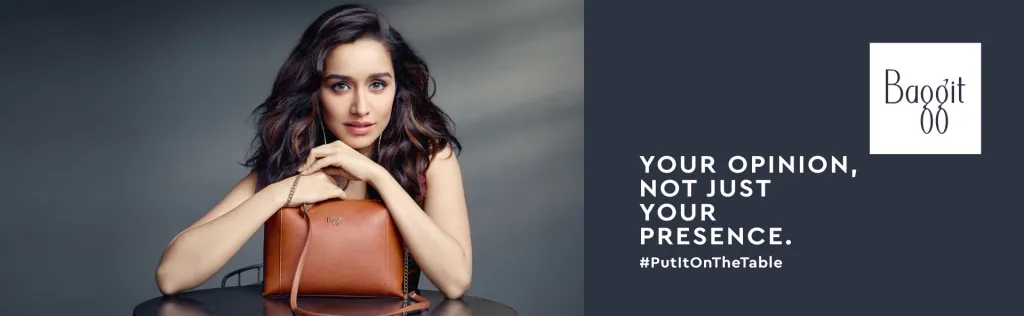
In a world where fashion is increasingly driven by awareness and responsibility, Baggit stands out as a pioneer in India’s ethical fashion movement. Known for its cruelty-free (vegan) leather bags and accessories, the brand has carved a distinctive space by combining contemporary design with conscious craftsmanship. Over the years, Baggit has grown from a small entrepreneurial venture into one of India’s most recognizable handbag brands—without compromising on its commitment to animal-friendly materials.
This is not just the story of a handbag label; it is the story of a brand that challenged conventional leather fashion and proved that style, affordability, and ethics can coexist.
The Origin of a Vision
Founded in 1990 by entrepreneur Nina Lekhi, Baggit began as a modest venture with a big idea—creating stylish bags without using animal leather. At a time when leather was considered the gold standard for quality handbags, choosing cruelty-free materials was both bold and unconventional.
Nina Lekhi started Baggit with a small team and a creative mindset, focusing on design innovation rather than traditional materials. What began as handcrafted bags sold locally soon transformed into a brand with national presence, retail stores, and strong distribution networks across India.
The early years were marked by experimentation with alternative materials such as faux leather, canvas, and eco-friendly fabrics. Instead of imitating leather, Baggit created its own aesthetic identity—vibrant, youthful, and distinctly Indian.
Commitment to Cruelty-Free Fashion
At the heart of Baggit’s philosophy lies its cruelty-free approach. The brand does not use animal skin in its products, aligning with the growing global demand for ethical fashion. While many brands shifted toward sustainability much later, Baggit embraced the concept decades ago.
Vegan leather, often misunderstood as inferior, has evolved significantly over the years. Baggit uses high-quality synthetic materials that offer durability, flexibility, and style comparable to traditional leather. The advantage? No harm to animals and often a smaller environmental footprint compared to traditional tanning processes.
This ethical positioning has made Baggit especially popular among conscious consumers—young professionals, students, and modern women who want their purchases to reflect their values.
Contemporary and Chic Design Philosophy
One of the key reasons for Baggit’s long-standing success is its design sensibility. The brand understands that ethical fashion must also be fashionable. Its collections blend contemporary trends with practical functionality.
From structured office totes and crossbody bags to slings, wallets, backpacks, and festive clutches, Baggit’s product range caters to diverse lifestyle needs. The designs are:
-
Minimal yet trendy
-
Functional with multiple compartments
-
Lightweight and easy to carry
-
Available in vibrant and neutral color palettes
Each season, the brand releases collections inspired by global trends while keeping Indian sensibilities in mind. This balance ensures that Baggit appeals to urban consumers without losing cultural relevance.

Accessibility and Affordability
Another major factor behind Baggit’s popularity is its affordability. Luxury leather handbags often come with high price tags, limiting accessibility. Baggit positioned itself as a premium yet affordable brand, offering quality and design at reasonable prices.
By maintaining efficient production processes and sourcing innovative materials, the brand has been able to deliver stylish products without making them financially exclusive. This approach has allowed it to build a loyal customer base across tier-1, tier-2, and tier-3 cities in India.
Retail Expansion and Market Presence
Over the years, Baggit has expanded its footprint across India through exclusive brand outlets, multi-brand stores, and e-commerce platforms. The digital shift has further strengthened its presence, making products accessible nationwide.
Online retail platforms have allowed the brand to engage directly with younger audiences who value convenience and quick delivery. Seasonal discounts, festive collections, and limited-edition launches help maintain strong customer engagement.
The brand’s consistent quality and recognizable identity have helped it compete effectively in India’s growing fashion accessories market.
Empowerment and Social Impact
Beyond cruelty-free fashion, Baggit also emphasizes social responsibility. The brand supports local manufacturing and provides employment opportunities, particularly empowering women in its workforce.
Nina Lekhi has often spoken about entrepreneurship, creativity, and women empowerment. Through Baggit’s journey, she has demonstrated how passion combined with persistence can transform a small idea into a successful enterprise.
This commitment to community impact enhances the brand’s identity as not just a commercial label but a socially aware organization.
Sustainability in Modern Fashion
Sustainability has become a major discussion point globally. While vegan leather eliminates animal cruelty, the broader sustainability conversation includes production processes, waste management, and material innovation.
Baggit continues exploring ways to improve eco-conscious practices—whether through efficient production, material innovation, or responsible sourcing. The brand’s long-term presence in ethical fashion gives it credibility in an industry where “greenwashing” is often criticized.
As consumers increasingly evaluate brands based on environmental impact, Baggit’s early adoption of cruelty-free materials positions it advantageously.
Understanding the Modern Indian Woman
Baggit’s target audience largely includes independent, confident, and working women who seek style with practicality. The brand understands that handbags are not just accessories; they are daily essentials that carry personal belongings, professional tools, and lifestyle items.
Therefore, functionality is as important as aesthetics. Spacious interiors, secure closures, durable straps, and organized compartments are integral to Baggit’s design process.
The brand has also adapted to changing fashion cycles, incorporating pastel tones, metallic finishes, textured surfaces, and minimalist silhouettes to keep up with evolving preferences.
Challenges and Competition
The Indian handbag market is highly competitive, with international brands entering aggressively and local startups emerging with innovative concepts. Despite this, Baggit maintains a strong brand recall due to:
-
Its cruelty-free identity
-
Long-standing market presence
-
Consistent pricing strategy
-
Wide distribution network
Competing against both premium international labels and fast-fashion brands requires continuous innovation. Baggit addresses this by refreshing collections regularly and staying connected with consumer trends.
The Future of Baggit
As the global shift toward ethical and sustainable fashion continues, Baggit is well-positioned to strengthen its market leadership. The future may include:
-
Expansion into international markets
-
Greater use of eco-friendly materials
-
Collaborations with designers or influencers
-
Enhanced digital shopping experiences
With over three decades of presence, Baggit demonstrates that ethical choices in business can lead to commercial success. The brand’s journey shows that fashion does not need to rely on animal products to achieve elegance and durability.
Conclusion
Baggit represents more than just handbags—it represents a philosophy of compassionate fashion. By focusing on cruelty-free materials, contemporary design, affordability, and social responsibility, the brand has created a unique niche in India’s fashion industry.
In a time when consumers are becoming more conscious of what they wear and carry, Baggit’s model serves as a reminder that style and ethics can walk hand in hand. Its story is a testament to how visionary leadership and a clear brand purpose can transform a small startup into a nationally recognized fashion name.
For modern consumers seeking chic, practical, and cruelty-free accessories, Baggit continues to be a trusted choice—proving that true style never compromises on values.