





Bottega Veneta: The Art of Quiet Luxury, Italian Craftsmanship and Timeless Elegance!
In the ever-evolving world of luxury fashion, where trends come and go and logos often dominate the conversation, Bottega Veneta has established a distinctive identity through understated elegance, exceptional craftsmanship and timeless design. Known for its signature woven leather technique, refined silhouettes and sophisticated accessories, the Italian fashion house has become one of the most influential names in contemporary luxury.
Unlike many luxury labels that rely heavily on visible branding, Bottega Veneta follows a philosophy that celebrates quality over recognition. Its approach is built around the idea that true luxury does not always need to announce itself. Instead, it can be experienced through the texture of fine leather, the precision of craftsmanship, the beauty of thoughtful design and the confidence of simplicity.
From its humble beginnings in Italy to its position as a global luxury powerhouse, Bottega Veneta represents a unique combination of heritage, innovation and modern sophistication.
The Origins of Bottega Veneta
Bottega Veneta was founded in 1966 in Vicenza, a city in the Veneto region of northeastern Italy. The brand was established by Michele Taddei and Renzo Zengiaro, who envisioned creating a luxury leather goods company that would stand apart through superior craftsmanship rather than prominent logos.
The name Bottega Veneta translates roughly to “Venetian workshop,” reflecting its Italian origins and artisanal identity. From the beginning, the brand focused on producing beautifully crafted leather products using traditional techniques and high-quality materials.
During the 1960s and 1970s, Bottega Veneta developed a reputation for its leather craftsmanship. Its artisans became particularly recognised for working with soft leather strips woven together to create durable yet elegant surfaces.
The brand’s early success was closely connected to its distinctive approach to leatherwork. Instead of treating accessories as products that needed to display a logo, Bottega Veneta treated the material and craftsmanship as the defining features of luxury.
This philosophy eventually became the foundation of its international identity.
The Signature Intrecciato Technique
One of the most recognisable elements of Bottega Veneta is its iconic Intrecciato technique.
Introduced in the early years of the fashion house, Intrecciato is an intricate leather-weaving method in which narrow strips of leather are woven together to create a distinctive textured surface.
The technique was originally developed as a practical solution. The soft leather available to the brand was delicate, and weaving it together helped improve durability while maintaining flexibility.
Over time, this practical construction method became an unmistakable design signature.
Intrecciato is more than a decorative feature. It represents the brand’s dedication to traditional Italian craftsmanship, attention to detail and appreciation for materials.
The weaving technique appears across several product categories, including handbags, wallets, cardholders, shoes, sandals, belts, travel bags and small leather goods.
The pattern has also evolved through different interpretations, including larger woven surfaces, padded constructions and contemporary colour combinations.
What makes Intrecciato particularly special is its subtlety. It allows a product to be recognisable without depending on oversized logos or obvious branding.
The Philosophy of Quiet Luxury
Bottega Veneta is frequently associated with the concept of quiet luxury, a fashion philosophy centred on refined design, premium materials and understated sophistication.
Quiet luxury prioritises quality, fit, construction and longevity over temporary trends or excessive branding.
Bottega Veneta has embraced this philosophy for decades through its minimalist approach to product design.
Its bags, shoes and clothing often feature clean silhouettes, carefully selected colours and subtle detailing. The brand’s identity is communicated through its craftsmanship rather than large logos.
This approach appeals to people who appreciate luxury as a personal experience rather than a public statement.
The philosophy can be understood through three important principles.
Craftsmanship over logos: The brand allows the quality of its products to communicate their value. Its woven leather technique is instantly recognisable to those familiar with luxury fashion.
Timelessness over temporary trends: Although Bottega Veneta regularly experiments with modern silhouettes and colours, its collections maintain a connection to classic design principles.
Quality over quantity: The emphasis on material selection, construction and finishing reflects the importance of creating products that can remain relevant beyond a single fashion season.
Creative Leadership and the Evolution of the Brand
Throughout its history, Bottega Veneta has experienced several creative transformations while maintaining its commitment to craftsmanship.
One of the most important chapters began when Tomas Maier became creative director in 2001. His approach brought renewed attention to the brand’s understated identity, refined leather goods and sophisticated ready-to-wear collections.
Maier helped establish Bottega Veneta as a major international luxury name. His collections focused on elegance, subtle details and timeless silhouettes. He also expanded the brand beyond handbags, introducing a broader lifestyle perspective that included clothing, footwear, jewellery and home accessories.
In 2018, Daniel Lee took over as creative director, bringing a fresh and contemporary perspective. His collections attracted considerable attention for their bold shapes, modern accessories and distinctive colour choices.
During this period, several designs became highly desirable among fashion enthusiasts, including the Pouch bag, Cassette bag and Lido sandals.
In 2021, Matthieu Blazy succeeded Lee. His creative direction further developed the relationship between traditional craftsmanship and modern fashion. He explored innovative fabrications, sculptural silhouettes and unexpected interpretations of everyday clothing.
In December 2024, Louise Trotter was announced as the next creative director, succeeding Matthieu Blazy. Her appointment marked another chapter in the fashion house’s creative evolution.
These creative transitions demonstrate how Bottega Veneta continues to evolve while protecting the heritage that makes it distinctive.
Ico nic Handbags That Define Bottega Veneta
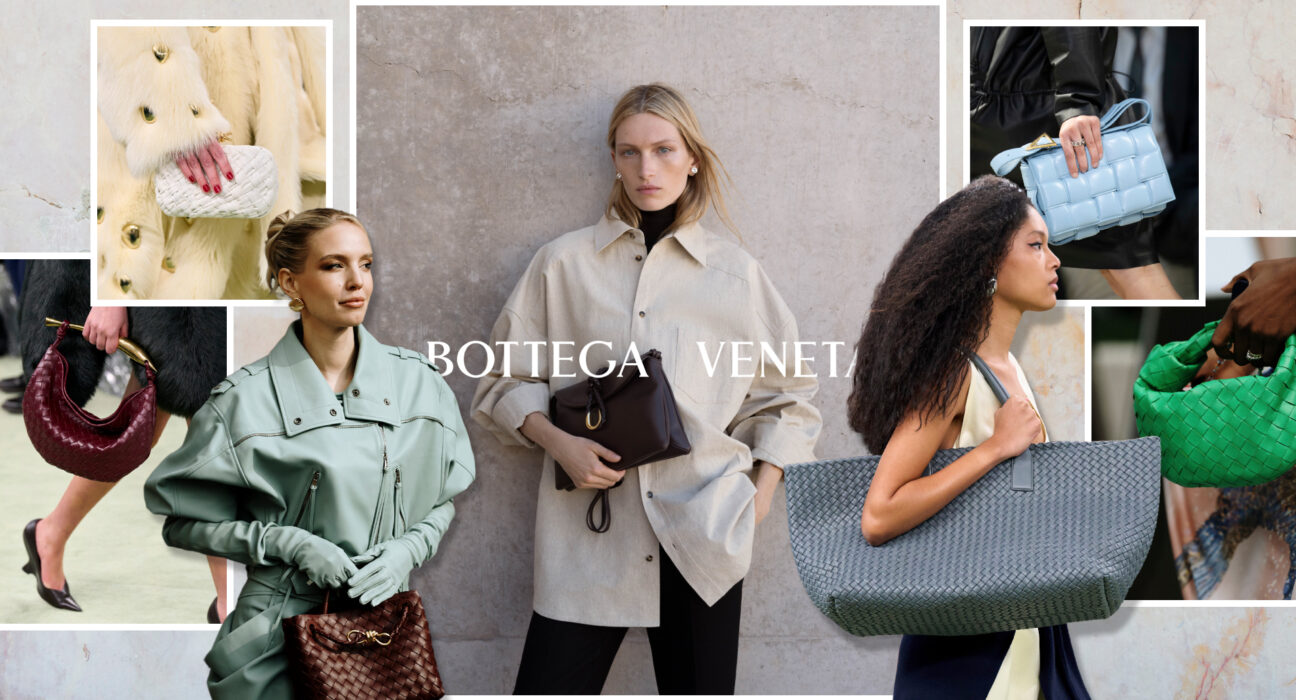
Handbags are among the most important categories in Bottega Veneta’s collection. The brand has created several designs that have become recognisable symbols of contemporary luxury.
The Pouch
Introduced during Daniel Lee’s creative direction, The Pouch quickly became one of the brand’s most talked-about accessories. Its soft, gathered leather construction gives it a sculptural appearance.
The oversized silhouette and minimal detailing make it a statement accessory without relying on traditional handbag structures.
The Cassette
The Cassette bag is another significant design. Recognised for its oversized Intrecciato weaving, it presents a contemporary interpretation of the brand’s traditional leather technique.
Available in different sizes, materials and colours, the Cassette combines functionality with a bold visual identity.
The Jodie
The Jodie bag is characterised by its rounded silhouette, woven leather construction and distinctive knotted handle.
It offers a balance between relaxed styling and sophisticated craftsmanship, making it suitable for both everyday outfits and more elevated occasions.
The Andiamo
The Andiamo bag reflects the brand’s commitment to practical elegance. Its woven leather construction, distinctive metallic knot detail and structured shape create a sophisticated everyday accessory.
These handbags demonstrate how Bottega Veneta can reinterpret its traditional techniques to create products that feel modern and relevant.
Beyond Handbags: Clothing, Footwear and Accessories
Although handbags remain central to its identity, Bottega Veneta has developed a comprehensive fashion offering.
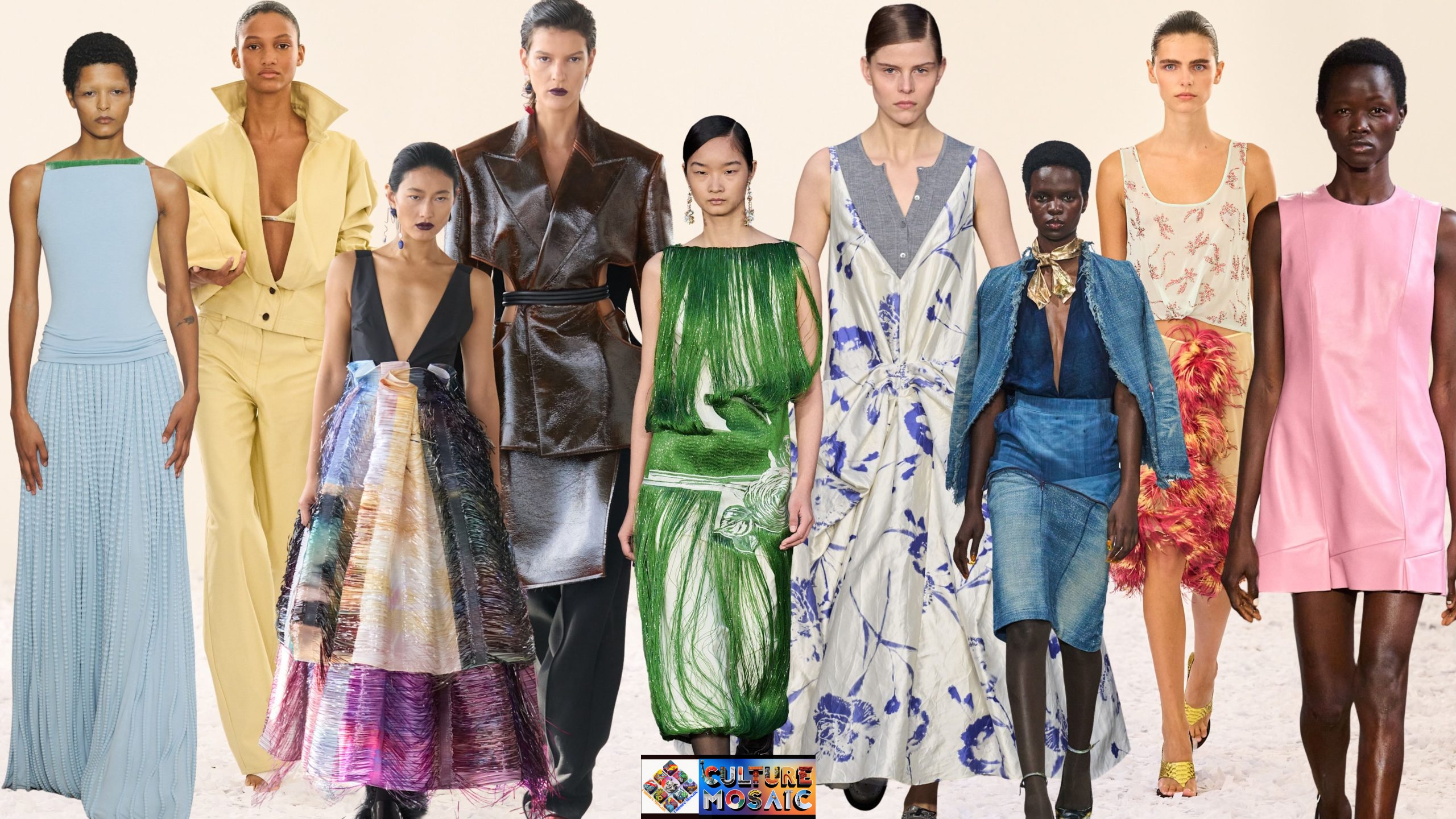
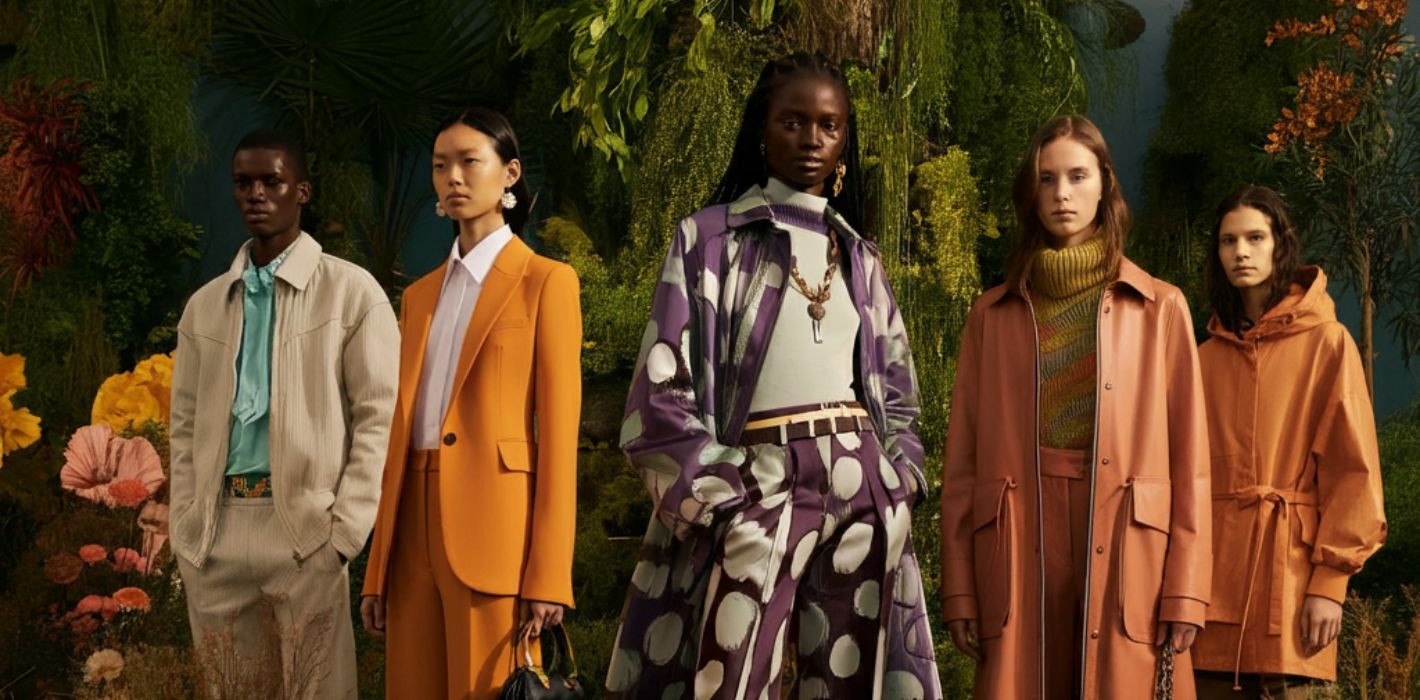
Its ready-to-wear collections include tailored jackets, oversized coats, elegant dresses, knitwear, trousers and contemporary separates. The clothing often features interesting proportions, tactile fabrics and understated colour palettes.
The brand’s footwear collection is equally distinctive.
From woven leather sandals and elegant heels to contemporary boots and sneakers, Bottega Veneta approaches footwear with the same attention to detail that defines its leather goods.
The Lido sandals, for example, became particularly popular for their padded woven leather construction.
Accessories also play an important role. Sunglasses, belts, jewellery, wallets and small leather goods allow customers to incorporate the brand’s design language into everyday dressing.
Rather than following a single aesthetic, Bottega Veneta creates collections that balance traditional Italian elegance with modern experimentation.
The Importance of Italian Craftsmanship
Craftsmanship remains one of the most valuable aspects of Bottega Veneta’s identity.
The brand has long been associated with Italian leatherworking traditions, particularly those connected to the Veneto region.
Creating a woven leather product requires patience, precision and technical knowledge. Each leather strip must be carefully selected, prepared and woven to achieve a consistent finish.
The quality of the finished product depends on several factors, including leather selection, flexibility, texture, construction and finishing.
This attention to detail separates luxury leather goods from mass-produced accessories.
Bottega Veneta’s commitment to artisanal techniques also reflects the importance of preserving traditional skills within the modern fashion industry.
In a world increasingly driven by automation and rapid production cycles, the value of skilled craftsmanship remains particularly meaningful.
Colours, Textures and Design Language
Colour is another important element of Bottega Veneta’s creative identity.
The brand is known for experimenting with rich, expressive colours while maintaining an overall sense of sophistication.
One particularly memorable shade is the vibrant green associated with its collections under Daniel Lee. The colour became closely connected with the brand’s contemporary visual identity.
Beyond green, Bottega Veneta frequently explores chocolate brown, deep burgundy, classic black, warm neutrals, cream, beige, ivory, bright orange, yellow, blue and pastel shades.
Texture is equally important. Smooth leather, padded surfaces, woven materials, suede and unusual fabric combinations contribute to the brand’s visual character.
This combination of colour and texture allows Bottega Veneta to create accessories that feel distinctive without relying on excessive embellishment.
Celebrity Influence and Global Popularity
Bottega Veneta’s popularity has grown significantly through its presence in celebrity fashion, editorial photography and international street style.
Fashion personalities, actors, models and influencers have embraced the brand for its understated yet recognisable aesthetic.
Its accessories frequently appear in airport fashion, fashion week street-style photographs, luxury editorials and social media content.
However, the brand’s appeal extends beyond celebrity visibility.
Many consumers appreciate its ability to offer recognisable luxury without depending on prominent logos. This makes its products attractive to people who prefer sophisticated and relatively discreet fashion choices.
The rise of quiet luxury as a fashion conversation has also brought renewed attention to Bottega Veneta.
Its design philosophy demonstrates that luxury can be communicated through craftsmanship, material and proportion rather than obvious branding.
Bottega Veneta in the Modern Fashion Industry
The modern fashion industry is increasingly influenced by digital culture, changing consumer preferences and rapid trend cycles.
Luxury brands must balance their heritage with the expectations of younger audiences.
Bottega Veneta has approached this challenge through a combination of creative storytelling, artistic campaigns, distinctive product design and digital communication.
The brand has developed a strong visual identity that translates effectively across fashion publications, social media and luxury retail environments.
Its approach also highlights the importance of creating products with a recognisable design language.
Instead of depending entirely on seasonal trends, Bottega Veneta continues to revisit its signature weaving technique and reinterpret it through contemporary silhouettes.
This balance between familiarity and innovation helps maintain its relevance in a competitive luxury market.
Sustainability and Responsible Luxury
Sustainability has become an increasingly important conversation within the global luxury fashion industry. Consumers are paying closer attention to how products are made, where materials come from and how long an item is expected to last.
Bottega Veneta’s emphasis on craftsmanship and quality offers an interesting perspective on responsible consumption.
Its focus on durable materials, careful construction and timeless designs encourages customers to consider long-term value rather than purchasing products simply because they are trending.
The brand is also part of the wider luxury industry’s efforts to address environmental and social responsibilities.
For modern luxury consumers, sustainability is no longer limited to recycled materials or environmentally conscious packaging. It also includes supporting skilled artisans, preserving traditional techniques and making thoughtful purchasing decisions.
How to Style Bottega Veneta
One of the reasons Bottega Veneta remains popular is its versatility. Its designs can complement different personal styles, from minimal everyday dressing to sophisticated evening looks.
Effortless everyday elegance: Pair a simple white shirt, tailored trousers and comfortable sandals with a Bottega Veneta shoulder bag. This combination creates an elegant everyday look without appearing overly formal.
Modern office dressing: A structured blazer, straight-leg trousers and leather accessories can create a polished professional outfit. A woven handbag adds texture and sophistication.
Casual luxury: For relaxed weekends, combine denim, a neutral knit top and contemporary sneakers. A Cassette or Jodie bag can add an elevated finishing touch.
Evening sophistication: A minimalist dress, elegant heels and a sculptural clutch create a timeless evening ensemble. Choosing accessories in complementary colours helps maintain a refined appearance.
The key to styling Bottega Veneta is allowing the craftsmanship and design to stand out naturally.
Why Bottega Veneta Continues to Stand Out
In an industry filled with competing luxury labels, Bottega Veneta has managed to create an identity that feels both distinctive and enduring.
Its success comes from several important factors: more than five decades of Italian fashion and leatherworking history, its signature Intrecciato craftsmanship, understated branding, creative innovation, versatile designs and attention to material quality.
These qualities have helped Bottega Veneta establish a place among the world’s most admired luxury fashion houses.
The Future of Bottega Veneta
The future of Bottega Veneta lies in its ability to preserve its traditional values while continuing to explore new creative possibilities.
As fashion becomes increasingly influenced by technology, digital communication and changing consumer expectations, the brand has an opportunity to strengthen its position through innovation while remaining connected to its artisanal roots.
Its signature leather weaving technique will likely continue to play an important role in its identity, but its interpretation can evolve through new materials, proportions, colours and product categories.
The challenge for any heritage luxury house is to remain relevant without losing what makes it special. Bottega Veneta’s history demonstrates that innovation does not necessarily require abandoning tradition.
Instead, the strongest designs often emerge when established craftsmanship meets fresh creative thinking.
Conclusion: When Luxury Speaks Through Craftsmanship
Bottega Veneta represents a different understanding of luxury. It is not simply about expensive handbags, exclusive boutiques or fashionable accessories. It is about the artistry behind every creation, the quality of materials and the thoughtful details that make a product special.
From its beginnings in Vicenza in 1966 to its position as a globally recognised Italian fashion house, the brand has consistently demonstrated the value of craftsmanship and understated design.
Its iconic Intrecciato weaving, sculptural handbags, sophisticated ready-to-wear collections and evolving creative direction have made it an important part of contemporary fashion culture.
In an age where fashion trends move quickly and visible branding often takes centre stage, Bottega Veneta reminds us that elegance can be subtle, craftsmanship can be expressive and true luxury can speak without saying a word.
Because when it comes to Bottega Veneta, the beauty is in the details, and the craftsmanship speaks for itself.