





Tommy Hilfiger: The Story of an Iconic American Fashion Brand!
Tommy Hilfiger is one of the most recognizable names in American fashion. Known for its signature red, white, and blue logo, classic designs, and effortlessly preppy aesthetic, the brand has built a global identity that blends traditional American style with contemporary fashion. From its beginnings as a small-town entrepreneur’s dream to becoming an internationally recognized fashion house, Tommy Hilfiger represents a unique combination of heritage, innovation, youth culture, and modern luxury.
The Beginning of Tommy Hilfiger
Tommy Hilfiger was founded by American fashion designer Thomas Jacob Hilfiger. Born in Elmira, New York, in 1951, Hilfiger developed an interest in fashion and entrepreneurship at a young age. Unlike many designers who began their careers through formal fashion education, Hilfiger learned much of the business by working directly with clothing and retail.
As a teenager, he started selling jeans and other clothing items. His early experience gave him an understanding of what young consumers wanted and how fashion could be transformed through branding and presentation.
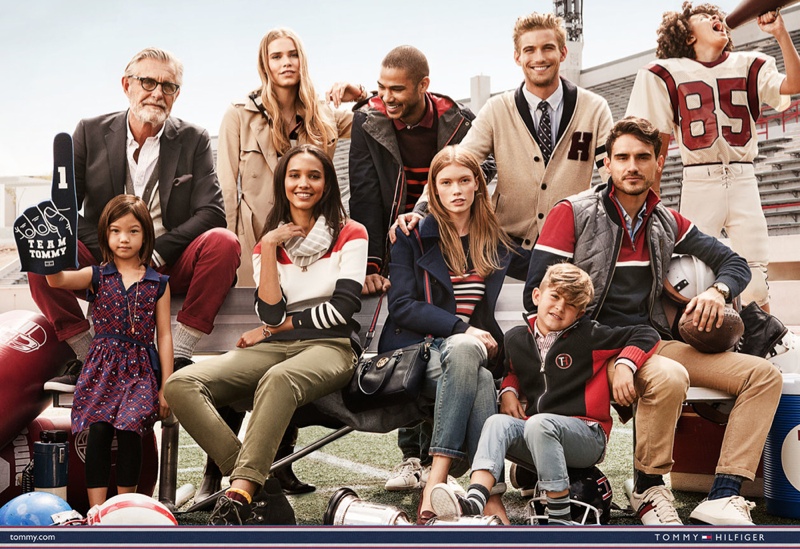
In 1985, Tommy Hilfiger launched his own label with the support of entrepreneur Mohan Murjani. The brand immediately positioned itself around a fresh interpretation of classic American fashion. Hilfiger’s designs drew inspiration from traditional styles such as button-down shirts, chinos, polo shirts, denim, blazers, and varsity-inspired clothing, but presented them with a youthful and modern attitude.
This combination became one of the brand’s defining characteristics.
The Signature American Style
One of Tommy Hilfiger’s biggest strengths has always been its ability to reinterpret classic American fashion. Rather than completely reinventing traditional clothing, the brand gives familiar pieces a fresh identity.
The Tommy Hilfiger aesthetic is often associated with:
- Classic American sportswear
- Preppy fashion
- Nautical influences
- Collegiate-inspired clothing
- Denim
- Polo shirts
- Tailored jackets
- Casual shirts
- Signature logo pieces
- Red, white, and blue color combinations
The brand’s designs often communicate a sense of effortless confidence. They can be dressed up or down, making them suitable for different occasions and lifestyles.
This versatility has helped Tommy Hilfiger appeal to a wide audience. A classic polo shirt, for example, can be styled with jeans for a casual look or paired with tailored trousers for a more polished appearance.
The Power of the Tommy Hilfiger Logo
The Tommy Hilfiger logo has become an important part of the brand’s identity. The recognizable red, white, and blue flag reflects the brand’s strong connection with American heritage.
Branding played a particularly important role in Tommy Hilfiger’s growth. During the 1990s, the logo became highly visible in popular culture and youth fashion. Wearing Tommy Hilfiger was not simply about wearing clothing; it became a way for consumers to express their connection with music, youth culture, and contemporary American style.
The brand understood the importance of creating a recognizable visual identity. Its logo could appear on everything from shirts and sweaters to accessories and footwear, helping consumers instantly identify the brand.
Tommy Hilfiger and Pop Culture
One of the most interesting aspects of Tommy Hilfiger’s history is its relationship with popular culture.
During the 1990s, the fashion industry experienced a major transformation. Music, television, celebrities, and street culture increasingly influenced what young people wore. Tommy Hilfiger successfully connected itself with this cultural movement.
The brand became particularly associated with hip-hop and music culture. Artists and entertainers helped introduce Tommy Hilfiger clothing to younger audiences, giving the traditionally preppy brand a new and unexpected cultural relevance.
This relationship between fashion and music helped Tommy Hilfiger become more than a traditional American sportswear label. It became part of the broader cultural conversation surrounding youth, individuality, and self-expression.
The brand’s ability to connect with different generations has remained an important part of its identity.
The 1990s: A Defining Era
The 1990s were a major period for Tommy Hilfiger. The brand expanded rapidly and became one of the most recognizable fashion names among younger consumers.
Oversized shirts, logo sweaters, denim, colorful designs, and relaxed silhouettes became associated with the era. Tommy Hilfiger clothing could be seen across music videos, magazines, television, and celebrity wardrobes.
The brand’s popularity demonstrated the growing influence of lifestyle branding. Consumers were not simply purchasing individual garments; they were buying into an identity.
Tommy Hilfiger’s identity represented a combination of American heritage and youthful energy. This positioning allowed the company to compete with much larger and more established fashion brands.
Expanding Beyond Clothing
As the brand grew, Tommy Hilfiger expanded its product portfolio beyond traditional apparel.
Today, the Tommy Hilfiger universe includes a wide range of categories, including:
- Women’s clothing
- Men’s clothing
- Children’s clothing
- Denim
- Footwear
- Handbags
- Watches
- Eyewear
- Accessories
- Fragrances
- Underwear
This broader product range has helped the brand become a lifestyle label rather than simply a clothing company.
The same visual identity can be carried across different categories, creating a consistent experience for customers.
Tommy Hilfiger for Women
Women’s fashion has become an important part of the Tommy Hilfiger brand. The women’s collections reinterpret classic American pieces with feminine silhouettes and modern styling.
Blazers, knitwear, shirts, denim, dresses, skirts, trousers, jackets, and accessories form an important part of the women’s offering.
The brand often balances structured tailoring with relaxed casual pieces. This creates outfits that can feel polished without appearing overly formal.
For women who enjoy classic fashion with a contemporary touch, Tommy Hilfiger offers versatile wardrobe staples that can work across seasons.
A simple Tommy Hilfiger shirt paired with denim can create a casual everyday look, while a tailored blazer or elegant dress can transition into a more sophisticated outfit.
Tommy Hilfiger Men’s Fashion
Men’s fashion remains at the heart of the brand’s identity.
Classic shirts, polos, chinos, sweaters, jackets, denim, and tailored clothing continue to reflect the brand’s American roots. The designs often combine traditional menswear with relaxed contemporary styling.
One of the strongest aspects of Tommy Hilfiger men’s fashion is versatility. A polo shirt can become a casual weekend outfit, while a blazer and shirt can create a smart business-casual look.
The brand’s focus on timeless wardrobe essentials has also contributed to its longevity.
Denim and Casual Fashion
Tommy Hilfiger has a strong presence in denim and casualwear. Jeans have long been an important part of American fashion, and the brand has incorporated denim into its broader lifestyle aesthetic.
Tommy Jeans, in particular, has helped the company connect with younger consumers. The collection often explores contemporary silhouettes, bold branding, graphic elements, and streetwear influences.
This approach allows the brand to maintain its classic identity while remaining relevant to changing fashion preferences.
Celebrity Influence
Celebrity partnerships and cultural collaborations have played a major role in Tommy Hilfiger’s modern identity.
The brand has worked with musicians, models, athletes, actors, and other influential personalities. These collaborations have allowed Tommy Hilfiger to connect with audiences beyond traditional fashion consumers.
Celebrity association can create a powerful relationship between a brand and its audience. When consumers see a recognizable personality wearing a particular product, it can influence how they perceive the brand.
Tommy Hilfiger has consistently used this cultural connection to remain visible and relevant.
Gigi Hadid and Tommy Hilfiger
One of the brand’s notable modern collaborations was with model Gigi Hadid.
The TommyXGigi collections combined Tommy Hilfiger’s classic American aesthetic with Hadid’s personal style and contemporary fashion influence.
The collaboration attracted significant attention because it brought together established brand heritage and modern celebrity culture. The collections included everything from denim and jackets to sweaters, dresses, footwear, and accessories.
The partnership demonstrated how established fashion brands can collaborate with influential personalities to introduce traditional aesthetics to new audiences.

Tommy Hilfiger and Sustainability
Sustainability has become an increasingly important issue in the fashion industry, and Tommy Hilfiger has also focused on incorporating more responsible practices into its business.
Modern fashion consumers are increasingly interested in where clothing comes from, how it is produced, what materials are used, and what happens to garments after they are no longer wanted.
Tommy Hilfiger has introduced initiatives focused on areas such as recycled materials, responsible sourcing, circular fashion, and reducing environmental impact.
The brand’s sustainability efforts reflect a larger transformation taking place across the fashion industry. Consumers increasingly expect fashion companies to think beyond aesthetics and consider environmental and social responsibilities.
Inclusivity and Representation
Another important part of modern fashion is representation.
Tommy Hilfiger has made efforts to embrace greater diversity and inclusivity through campaigns, collaborations, product offerings, and marketing initiatives.
Fashion has historically been associated with narrow definitions of beauty and style. Today, customers expect brands to represent a broader range of people and lifestyles.
By incorporating diverse personalities and perspectives into its campaigns and collaborations, Tommy Hilfiger has worked to create a more inclusive image.
Tommy Hilfiger’s Global Appeal
Although the brand has deep American roots, Tommy Hilfiger has developed a strong international presence.
Its recognizable visual identity makes it easy to understand across different markets. The combination of classic clothing, contemporary design, and strong branding appeals to consumers across generations and cultures.
From Europe and Asia to North America and other regions, Tommy Hilfiger has become a familiar name in global fashion.
The brand’s international success demonstrates the power of a clear fashion identity. While trends change from country to country, classic pieces such as denim, polo shirts, shirts, sneakers, and jackets have universal appeal.
Tommy Hilfiger in India
Tommy Hilfiger has also established itself as a recognizable fashion brand in the Indian market.
India’s fashion industry has experienced significant growth, with consumers becoming increasingly interested in international brands and premium lifestyle products.
Tommy Hilfiger’s combination of casualwear, formal-inspired clothing, denim, accessories, and footwear makes it suitable for India’s increasingly diverse fashion-conscious audience.
The brand is especially appealing to consumers who want recognizable international branding while still preferring versatile clothing that can be incorporated into everyday wardrobes.
Its stores, online presence, and retail partnerships have helped make Tommy Hilfiger accessible to Indian consumers.
The Modern Tommy Hilfiger Consumer
The modern Tommy Hilfiger customer is not limited to one age group.
The brand appeals to people who appreciate classic style but also want contemporary fashion. Younger consumers may be attracted to Tommy Jeans, collaborations, oversized silhouettes, and streetwear influences, while older customers may prefer the brand’s traditional shirts, polos, blazers, and tailored pieces.
This ability to appeal across generations is one of Tommy Hilfiger’s greatest strengths.
Fashion brands often struggle to remain relevant as generations change. Tommy Hilfiger has managed to refresh its image while maintaining recognizable elements of its heritage.
Why Tommy Hilfiger Remains Relevant
Fashion trends can change dramatically within a few seasons. However, Tommy Hilfiger’s success has been built around a combination of timeless design and adaptability.
The brand understands that customers want both familiarity and novelty.
Classic pieces provide consistency, while collaborations, seasonal collections, digital campaigns, and contemporary designs keep the brand fresh.
Its success can be attributed to several key factors:
Strong brand identity: The red, white, and blue logo is instantly recognizable.
American heritage: The brand has created a clear connection with classic American fashion.
Youth culture: Tommy Hilfiger has repeatedly connected with younger audiences through music, celebrities, and collaborations.
Versatility: Its clothing can be styled for casual, smart-casual, and more polished occasions.
Global positioning: The brand has successfully taken its American identity to international markets.
Adaptability: Tommy Hilfiger continues to evolve with changing fashion trends and consumer expectations.
The Future of Tommy Hilfiger
The future of fashion will be shaped by technology, sustainability, personalization, changing consumer behavior, and digital experiences.
For a brand like Tommy Hilfiger, the challenge will be maintaining its heritage while continuing to appeal to younger generations.
Digital fashion, social media, e-commerce, influencer marketing, and innovative retail experiences will continue to influence how consumers discover and purchase fashion.
At the same time, sustainability and responsible production will become increasingly important.
Tommy Hilfiger’s ability to combine its classic identity with these emerging trends will be critical to its continued success.
Final Thoughts
Tommy Hilfiger is more than a fashion label. It represents a distinctive interpretation of American style that has evolved over decades.
From its beginnings in the 1980s to its cultural influence during the 1990s and its modern global presence, the brand has demonstrated an impressive ability to evolve without losing its identity.
Its signature combination of classic American sportswear, contemporary fashion, recognizable branding, and pop-culture influence has helped it become one of the world’s best-known fashion names.
For fashion enthusiasts, Tommy Hilfiger represents timeless wardrobe staples with a youthful edge. Its clothing can be effortlessly styled, its logo remains instantly recognizable, and its heritage continues to influence modern collections.
In an industry where trends come and go quickly, Tommy Hilfiger’s lasting appeal comes from knowing how to balance heritage with innovation, classic style with contemporary culture, and simplicity with strong branding.
That balance is ultimately what has allowed Tommy Hilfiger to remain an influential name in global fashion—and why the brand continues to attract new generations of fashion lovers around the world.