



La Roche-Posay: The French Skincare Brand Built Around Sensitive Skin!
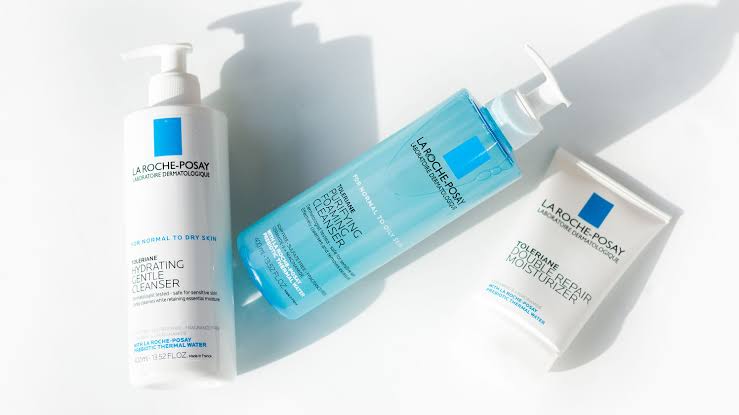
La Roche-Posay has become one of the most recognizable names in modern skincare, particularly among people looking for products designed for sensitive, reactive, acne-prone, dry, or otherwise compromised skin. Known for its minimalist approach, dermatologist-oriented formulations, and iconic thermal spring water, the French brand has developed a strong reputation for combining scientific research with everyday skincare.
From its cleansers and moisturizers to sunscreens and acne treatments, La Roche-Posay offers products that focus on supporting the skin barrier while addressing specific concerns. Its popularity has grown significantly through dermatologists, skincare professionals, beauty communities, and consumers seeking effective products without unnecessarily complicated routines.
The Story Behind La Roche-Posay
La Roche-Posay takes its name from the small French town of La Roche-Posay, located in the Vienne region of France. The area has long been associated with thermal spring water, which became central to the identity of the brand.
The thermal water is naturally rich in minerals and has been associated with soothing and caring for sensitive skin. Over time, the reputation of the springs helped establish La Roche-Posay as a destination connected with dermatological care.
The modern skincare brand developed around this heritage and eventually became part of the L’Oréal Group. Under L’Oréal, La Roche-Posay expanded internationally while maintaining its focus on dermatological skincare.
Today, the brand is particularly associated with the idea that skincare should not simply be about beauty. Instead, it should also focus on skin health, tolerance, protection, and scientific research.
What Makes La Roche-Posay Different?
One of the biggest reasons for La Roche-Posay’s popularity is its focus on sensitive skin.
Sensitive skin can react to environmental conditions, weather changes, harsh ingredients, over-exfoliation, fragrances, or unsuitable skincare products. People with sensitive skin often find it difficult to build a routine because products that work well for one person may cause discomfort or irritation for another.
La Roche-Posay approaches this challenge through formulations developed with dermatological considerations in mind.
The brand’s philosophy is generally centered around several principles:
- Supporting the skin barrier
- Developing products suitable for sensitive skin
- Using carefully selected ingredients
- Focusing on efficacy and tolerance
- Conducting product testing
- Working closely with dermatologists
- Addressing specific dermatological concerns
This approach has helped La Roche-Posay establish a position between traditional beauty skincare and dermatologist-led skincare.
The Importance of Thermal Spring Water
Thermal spring water is one of the defining elements of La Roche-Posay.
The water originates from the French thermal spring and is used in several of the brand’s formulations. It contains naturally occurring minerals and trace elements and is positioned by the brand as a soothing component for sensitive skin.
Thermal water has become particularly important to the identity of La Roche-Posay because it connects the brand’s products to its French heritage.
For consumers, it also reinforces the brand’s emphasis on gentle skincare. Rather than presenting skincare purely through luxury or beauty marketing, La Roche-Posay uses its thermal water heritage as part of a broader dermatological story.
La Roche-Posay and Dermatology
The brand has built much of its reputation through its connection with dermatology.
Instead of focusing only on cosmetic concerns, La Roche-Posay develops products aimed at concerns such as acne, dryness, skin sensitivity, sun protection, uneven skin tone, and signs of aging.
This dermatological positioning is particularly appealing to consumers who prefer skincare products recommended or frequently discussed by dermatologists.
However, it is important to remember that skincare needs vary from person to person. A product described as suitable for sensitive skin may still not work for everyone. Individual allergies, existing skin conditions, medications, and environmental factors can influence how the skin responds.
Popular La Roche-Posay Product Lines
La Roche-Posay has several product ranges, each designed around different skin concerns.
Toleriane
Toleriane is one of the brand’s best-known ranges for sensitive skin.
The range includes cleansers, moisturizers, and other products designed to provide hydration and support without overwhelming sensitive skin.
Toleriane products are often incorporated into simple routines where the goal is to minimize irritation while maintaining adequate cleansing and moisturization.
For people who prefer a minimalist skincare routine, the Toleriane range can be particularly appealing.
Effaclar
Effaclar is designed primarily for oily and acne-prone skin.
The range includes cleansers, treatments, moisturizers, and other products formulated around concerns such as excess oil, clogged pores, blemishes, and acne-prone skin.
Effaclar has become especially popular among younger skincare consumers because acne is one of the most common reasons people begin developing structured skincare routines.
However, acne treatments can sometimes cause dryness or irritation, particularly when multiple active ingredients are combined. A gradual approach is generally more comfortable for sensitive skin.
Anthelios
Anthelios is La Roche-Posay’s sunscreen and sun-protection range.
Sun protection is an essential part of skincare because ultraviolet radiation contributes to premature skin aging and can worsen pigmentation and other visible signs of sun damage.
Anthelios products are known for offering different textures and formulations designed for different skin types and lifestyles.
The range includes options designed for facial use and products intended for different levels of sun exposure.
One of the reasons the sunscreen range has become so popular is that consumers increasingly understand that sunscreen should not be reserved only for holidays or beach days. Daily UV exposure can also contribute to long-term skin damage.
Cicaplast
Cicaplast is another highly recognizable La Roche-Posay range.
It focuses on supporting dry, irritated, or compromised skin barriers. Cicaplast products are particularly popular among people who experience dryness or sensitivity following environmental exposure or the use of stronger skincare products.
Cicaplast Baume B5, in particular, has developed a strong following among skincare enthusiasts.
The popularity of the range reflects a broader shift in beauty toward barrier care. Instead of constantly adding active ingredients, consumers are increasingly interested in maintaining healthy, comfortable skin.
Hyalu B5
Hyalu B5 focuses on hydration and anti-aging skincare.
The range incorporates ingredients associated with hydration and skin conditioning, including hyaluronic acid and vitamin B5 in selected formulations.
As the skin ages, maintaining hydration becomes increasingly important for creating a smoother, more comfortable appearance.
Products in this category are often incorporated into routines focused on fine lines, dehydration, and loss of skin elasticity.

La Roche-Posay for Acne-Prone Skin
Acne is one of the areas where La Roche-Posay has developed a particularly strong reputation.
Acne-prone skin can be difficult to manage because excessive cleansing or aggressive treatments can sometimes compromise the skin barrier. This can create a cycle in which people attempt to remove oil and blemishes aggressively, only to experience increased dryness or irritation.
The Effaclar range approaches acne-prone skincare through products designed around cleansing, oil control, hydration, and targeted treatments.
A basic acne-friendly routine may include:
- A gentle cleanser
- A suitable treatment product
- A lightweight moisturizer
- Daily sunscreen
The important principle is consistency rather than using a large number of products simultaneously.
People with persistent, severe, painful, or scarring acne should consider consulting a dermatologist rather than relying exclusively on cosmetic skincare.
La Roche-Posay for Sensitive Skin
Sensitive skin is one of the areas where the brand’s philosophy is particularly relevant.
A sensitive-skin routine generally benefits from simplicity.
Instead of layering numerous exfoliants, acids, retinoids, masks, and active serums, consumers may find it more comfortable to begin with a cleanser, moisturizer, and sunscreen.
La Roche-Posay offers several products designed around this type of routine.
The brand’s focus on sensitive skin has also contributed to its popularity among people whose skin has become temporarily sensitive due to over-exfoliation, environmental conditions, or the introduction of stronger skincare ingredients.
The Role of Sunscreen
Among all skincare products, sunscreen arguably has one of the most important long-term roles.
La Roche-Posay’s Anthelios range has helped make sunscreen a central part of its brand identity.
Regular sunscreen use can help protect skin from UV radiation, which is associated with sunburn, premature skin aging, and increased risk of skin cancer.
A good sunscreen routine involves more than simply choosing a high SPF. Application amount, reapplication, exposure conditions, and individual lifestyle all matter.
For people who dislike heavy sunscreen textures, finding a lightweight formulation can also improve consistency.
La Roche-Posay and the Skin Barrier
The concept of the skin barrier has become one of the biggest trends in skincare.
The skin barrier helps maintain hydration and provides protection against external environmental factors. When the barrier is compromised, the skin may feel dry, tight, irritated, or unusually sensitive.
Modern skincare has therefore shifted from an obsession with strong active ingredients toward a more balanced approach.
La Roche-Posay’s products such as Toleriane and Cicaplast fit naturally into this movement.
Instead of encouraging consumers to constantly add products, barrier-focused skincare emphasizes:
- Gentle cleansing
- Adequate hydration
- Moisturization
- Sun protection
- Avoiding unnecessary irritation
This makes the brand particularly relevant to consumers who have experienced the problems associated with overly complicated skincare routines.
Why Dermatologists and Consumers Like It
La Roche-Posay’s popularity comes from several factors working together.
First is its dermatological positioning. Consumers often associate the brand with professional skincare rather than purely cosmetic beauty.
Second is its product variety. Whether someone has oily skin, dry skin, acne-prone skin, or sensitivity, there are products designed around different needs.
Third is its brand heritage. The French thermal spring gives La Roche-Posay a distinctive story.
Finally, the brand has benefited from the growing popularity of ingredient-conscious skincare.
Consumers today increasingly research ingredients before purchasing products. They want to understand whether a moisturizer contains ceramides, whether a serum contains hyaluronic acid, or whether a sunscreen offers broad-spectrum protection.
La Roche-Posay’s communication fits well into this science-oriented beauty culture.
Building a La Roche-Posay Skincare Routine
A skincare routine does not need to contain ten or fifteen products.
For many people, a basic routine can be structured around four essential steps.
Morning
Cleanse: Use a suitable gentle cleanser if needed.
Moisturize: Apply a moisturizer appropriate for your skin type.
Protect: Finish with sunscreen.
Evening
Cleanse: Remove sunscreen, makeup, and daily impurities.
Treat: If necessary, use a targeted treatment.
Moisturize: Finish with a moisturizer that supports skin comfort and hydration.
The exact products should depend on individual skin concerns.
Someone with acne-prone skin may prioritize Effaclar products, while someone with very sensitive skin may prefer Toleriane. Someone focused on barrier support may look toward Cicaplast.
The Growing Appeal of French Pharmacy Skincare
La Roche-Posay is part of a broader movement surrounding French pharmacy skincare.
French pharmacy brands have become popular internationally because they often combine relatively simple packaging, dermatological positioning, functional formulations, and practical skincare messaging.
Instead of presenting every product as a luxury experience, these brands often focus on solving specific skin concerns.
This has helped create a new definition of premium skincare: effectiveness, trust, science, and skin tolerance rather than simply expensive packaging.
La Roche-Posay represents this philosophy particularly strongly.
La Roche-Posay in Modern Beauty Culture
Social media has played an enormous role in the brand’s popularity.
TikTok, Instagram, YouTube, and skincare communities have transformed how consumers discover beauty products.
A moisturizer or sunscreen can become globally popular through dermatologist videos, skincare reviews, before-and-after discussions, or viral recommendations.
La Roche-Posay has benefited significantly from this environment.
Products such as Cicaplast Baume B5 and Anthelios sunscreens frequently appear in skincare conversations because they fit into broader trends such as skin-barrier repair and daily sun protection.
At the same time, consumers are becoming more sophisticated. Viral popularity does not automatically mean a product is suitable for everyone. Skin type, ingredient tolerance, climate, lifestyle, and personal concerns should always be considered.
Sustainability and Responsible Beauty
The modern beauty industry is also becoming increasingly conscious of sustainability.
Consumers are paying greater attention to packaging, ingredients, manufacturing practices, and environmental impact.
For a major global skincare company, sustainability is becoming an important part of the conversation surrounding product development and corporate responsibility.
As consumers become more environmentally conscious, brands such as La Roche-Posay face the challenge of balancing product safety, packaging protection, affordability, performance, and environmental considerations.
This is likely to remain an important area of development for the beauty industry.
Why La Roche-Posay Continues to Stand Out
La Roche-Posay’s greatest strength may be its ability to make skincare feel both scientific and accessible.
The brand does not rely exclusively on luxury positioning. Instead, it communicates around dermatology, ingredients, skin concerns, and practical results.
That approach makes it appealing to a wide range of consumers.
A teenager dealing with acne may discover Effaclar. Someone with sensitive skin may choose Toleriane. A person recovering from a compromised skin barrier may explore Cicaplast. Someone looking for everyday UV protection may turn to Anthelios.
The brand therefore operates across different stages of a consumer’s skincare journey.
Final Thoughts
La Roche-Posay represents the evolution of skincare from a purely cosmetic category toward a more science-led approach to skin health.
Its French thermal spring heritage, dermatological focus, broad product portfolio, and emphasis on sensitive skin have helped it become a trusted name among consumers around the world.
Whether the concern is acne, dryness, sensitivity, sun protection, hydration, or barrier support, the brand offers products designed around specific skincare needs.
Ultimately, the biggest lesson from La Roche-Posay is that effective skincare does not necessarily require an overwhelming routine. Understanding your skin, choosing appropriate products, protecting it from the sun, and maintaining consistency can be more valuable than constantly chasing the newest trend.
As skincare continues to evolve, consumers are likely to remain interested in products that combine science, simplicity, tolerance, and proven functionality. La Roche-Posay sits comfortably at the intersection of these ideas, which explains why it continues to be one of the most recognizable names in dermatological skincare.