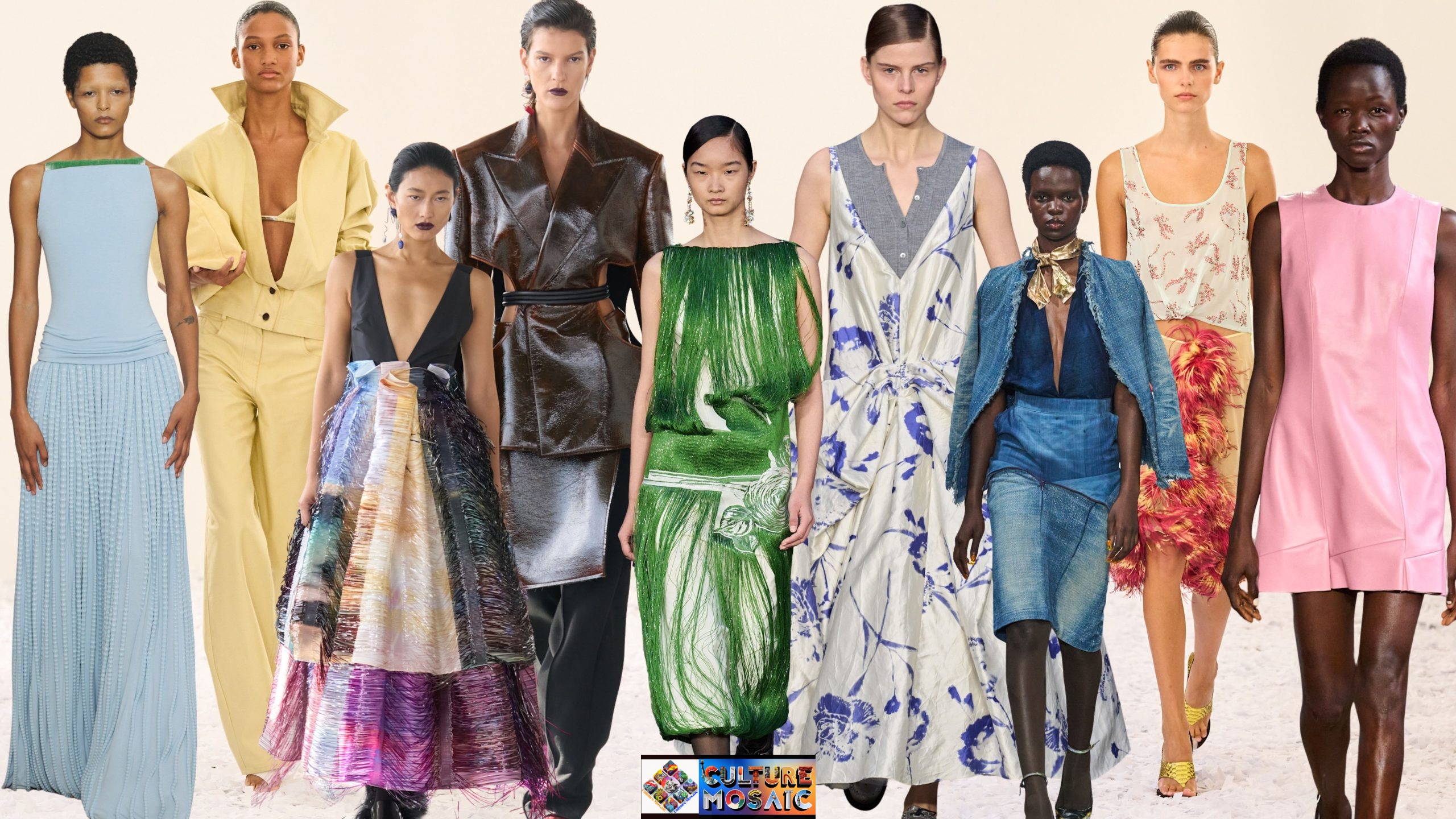







Yeezy: Redefining Fashion Through Culture, Innovation, and Controversy!
The story of Yeezy is one of the most influential and unconventional journeys in modern fashion. What began as a footwear collaboration evolved into a global cultural phenomenon that blurred the boundaries between music, streetwear, luxury fashion, and business innovation. Created by rapper, producer, and designer Kanye West, Yeezy transformed consumer expectations about sneakers and apparel while reshaping the relationship between celebrities and fashion brands.
From limited-edition sneaker drops to minimalist clothing collections, Yeezy became a symbol of exclusivity, creativity, and cultural relevance. Despite its tremendous commercial success, the brand has also faced significant controversy, particularly following public statements made by West that led to the termination of key partnerships. Nevertheless, Yeezy’s impact on contemporary fashion remains undeniable.
The Origins of Yeezy
Before launching his own fashion label, Kanye West had long expressed a deep interest in design and style. Throughout the early 2000s, he became known not only for his groundbreaking music but also for his distinct fashion choices, often challenging conventional trends.
West’s initial attempts to enter the fashion industry included collaborations with brands such as Nike and Louis Vuitton. In 2009, he released the highly sought-after Nike Air Yeezy sneakers, which quickly developed a cult following. The success of these releases demonstrated the commercial potential of celebrity-driven footwear collaborations.
However, disagreements over creative control and royalty structures led West to part ways with Nike. Seeking greater artistic freedom and ownership, he entered into a partnership with Adidas in 2013.
This collaboration marked the beginning of a new era in fashion.
The Birth of the Yeezy Brand
In 2015, Adidas officially launched the first sneaker under the new partnership: the Yeezy Boost 750. The shoe introduced a futuristic aesthetic characterized by premium materials, neutral color palettes, and innovative cushioning technology.
The release was an instant success.
Unlike traditional sneaker launches, Yeezy products were distributed in limited quantities, creating intense demand and long waiting lists. Consumers often camped outside stores or entered online raffles for the chance to purchase a pair.
Soon after, the Yeezy Boost 350 was introduced and became one of the most recognizable sneakers of the decade. Featuring a lightweight knit upper and Adidas’s Boost cushioning technology, the model combined comfort with a minimalist design philosophy.
The popularity of Yeezy extended beyond sneaker enthusiasts. Celebrities, athletes, influencers, and fashion enthusiasts embraced the brand, turning Yeezy into a status symbol.
Design Philosophy and Aesthetic
One of Yeezy’s defining characteristics is its unique design language.
Rather than relying on bold logos, bright colors, or traditional luxury elements, Yeezy embraced minimalism. The collections often featured muted tones such as beige, gray, olive green, black, and earth-inspired shades.
This approach reflected West’s vision of creating timeless, versatile pieces that could be worn daily.
Yeezy designs are known for:
- Oversized silhouettes
- Neutral color palettes
- Functional and comfortable materials
- Futuristic sneaker shapes
- Minimal branding
- Utility-inspired apparel
The brand’s aesthetic influenced countless fashion labels and helped popularize trends such as oversized hoodies, chunky sneakers, and monochromatic outfits.
Yeezy demonstrated that simplicity could be just as impactful as elaborate design.
The Yeezy Boost Revolution
The Yeezy Boost series became the cornerstone of the brand’s success.
Models such as the Yeezy Boost 350, 350 V2, 500, 700, Foam Runner, and Slide each introduced distinctive features while maintaining a consistent design philosophy.
The Yeezy Boost 350 V2, in particular, achieved mainstream popularity due to its comfort, versatility, and limited availability.
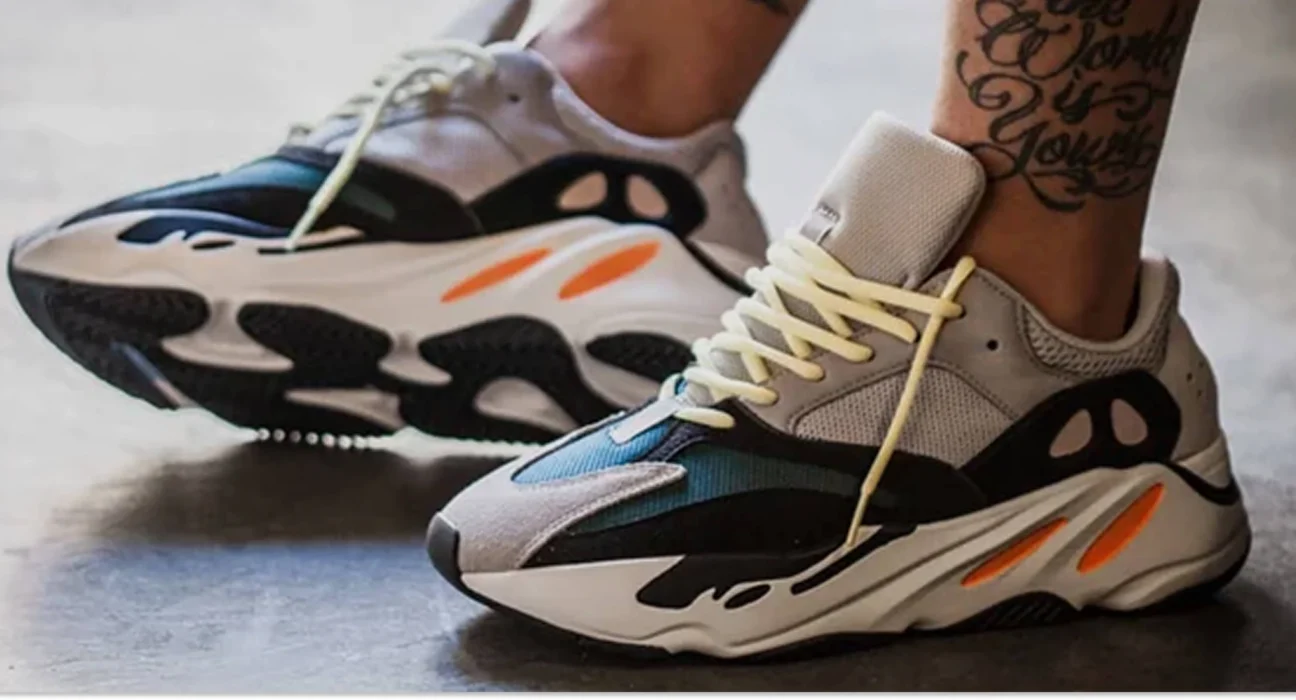
Meanwhile, the Yeezy 700 popularized the “dad shoe” trend, featuring chunky midsoles and retro-inspired aesthetics. Initially criticized for its unconventional appearance, the model later became one of the most influential sneaker designs of the late 2010s.
The Yeezy Foam Runner represented another bold step forward. Made from a blend of foam and sustainable materials, the shoe’s futuristic, sculptural design challenged traditional footwear norms.
Yeezy Slides also became a global phenomenon due to their comfort and minimalist appearance.
Together, these products helped redefine what modern sneakers could look like.

The Power of Scarcity Marketing
A major factor behind Yeezy’s success was its approach to product releases.
Instead of producing large quantities, Yeezy relied on scarcity to generate excitement and exclusivity. Limited releases created a sense of urgency among consumers, driving demand far beyond supply.
This strategy led to:
- Long waiting lists
- Online raffles
- Instant sellouts
- Significant resale value
The secondary market played a crucial role in expanding Yeezy’s cultural influence. Many sneakers were resold for two or three times their original retail prices, with certain rare models commanding even higher premiums.
The resale ecosystem transformed Yeezy from a fashion brand into an investment opportunity for collectors and sneaker enthusiasts.
Yeezy’s Impact on Streetwear Culture
Yeezy emerged during a period when streetwear was becoming increasingly influential in luxury fashion.
The brand helped bridge the gap between high fashion and everyday clothing, proving that hoodies, sweatpants, and sneakers could command premium prices.
Yeezy’s influence extended across the fashion industry, inspiring brands to adopt:
- Neutral color palettes
- Minimalist designs
- Oversized fits
- Gender-neutral clothing
- Limited-edition product launches
Luxury fashion houses began incorporating streetwear elements into their collections, while sportswear brands intensified their collaborations with musicians and celebrities.
Today, celebrity-driven fashion partnerships are commonplace, but Yeezy played a critical role in establishing this business model.
Fashion Shows and Cultural Influence
Yeezy’s runway presentations became major cultural events.
Unlike traditional fashion shows, Yeezy presentations often featured large-scale performances, unconventional venues, and diverse casting choices.
The brand debuted several collections during major fashion weeks, attracting attention from critics, celebrities, and media outlets worldwide.
Although reviews were sometimes mixed, the shows consistently generated conversation and reinforced Yeezy’s reputation as a disruptive force in fashion.
West positioned Yeezy not merely as a clothing brand but as a cultural movement.
Music, architecture, design, and technology all influenced the brand’s identity.
Collaborations Beyond Footwear
Yeezy expanded beyond sneakers into apparel and broader retail partnerships.
In 2020, Yeezy entered into a collaboration with Gap, aiming to bring Yeezy products to a wider audience through more accessible pricing.
The partnership generated significant excitement, with products such as the Yeezy Gap Round Jacket selling out rapidly.
Later, Yeezy partnered with Balenciaga for the Yeezy Gap Engineered by Balenciaga collection. This collaboration combined luxury fashion aesthetics with Yeezy’s minimalist design philosophy.
These partnerships demonstrated Yeezy’s ability to operate across different market segments, from mass retail to high-end luxury.
Business Success and Financial Impact
Yeezy became one of the most successful celebrity-owned fashion ventures in history.
At its peak, the partnership with Adidas generated billions of dollars in annual revenue. Industry analysts estimated that Yeezy contributed significantly to Adidas’s overall sales growth, particularly in North America.
The collaboration also elevated Kanye West’s status from entertainer to entrepreneur.
Yeezy’s business model highlighted the value of creative ownership, intellectual property, and strategic partnerships.
For many artists and influencers, Yeezy became a blueprint for building brands that extend beyond traditional entertainment careers.
Controversies and the End of the Adidas Partnership
Despite its commercial success, Yeezy faced significant challenges due to controversies surrounding Kanye West.
In 2022, West made a series of widely criticized public statements that prompted backlash from consumers, industry leaders, and business partners.
As a result, Adidas ended its partnership with Yeezy, citing the incompatibility of West’s remarks with the company’s values and policies.
Other organizations and partners also severed ties.
The decision marked a turning point for both Yeezy and Adidas. The termination created financial challenges for Adidas, which had relied heavily on Yeezy products for revenue growth.
Meanwhile, questions emerged about the future of the Yeezy brand without its largest manufacturing and distribution partner.
Although Adidas later sold portions of its remaining Yeezy inventory, the original partnership officially ended, closing one of the most influential chapters in modern sneaker history.
Sustainability and Innovation
Throughout its evolution, Yeezy explored new approaches to sustainability and product development.
The Foam Runner incorporated renewable materials, reflecting an increasing focus on environmentally conscious manufacturing.
West frequently expressed interest in making fashion more accessible and sustainable, though the brand’s limited-release model sometimes conflicted with these goals.
Nevertheless, Yeezy demonstrated how innovative materials and manufacturing techniques could influence mainstream footwear design.
Future brands continue to draw inspiration from Yeezy’s willingness to experiment with unconventional forms and production methods.
Yeezy’s Lasting Legacy
Regardless of future developments, Yeezy’s impact on fashion is permanent.
The brand changed consumer expectations regarding:
- Celebrity collaborations
- Sneaker culture
- Product launches
- Streetwear aesthetics
- Fashion marketing
- Creative ownership
Yeezy proved that a musician could successfully influence global fashion trends and compete with established luxury houses.
Its designs inspired countless brands, while its business strategies reshaped how products are marketed and sold.
The brand also highlighted the risks associated with building businesses around individual personalities. While Kanye West’s creativity fueled Yeezy’s success, the controversies surrounding him ultimately affected the brand’s partnerships and reputation.
Yeezy’s story is therefore both an example of extraordinary innovation and a cautionary tale about the complexities of celebrity-led businesses.
Conclusion
Yeezy stands as one of the most transformative fashion brands of the 21st century. Through its minimalist designs, innovative footwear, and disruptive marketing strategies, the brand redefined the intersection of music, fashion, and commerce.
Under the creative vision of Kanye West, Yeezy evolved from a sneaker collaboration into a global cultural force that influenced everything from streetwear trends to luxury fashion.
Although controversies led to the end of its partnership with Adidas, Yeezy’s influence continues to shape the industry. Its legacy can be seen in contemporary fashion’s embrace of comfort, minimalism, exclusivity, and celebrity entrepreneurship.
Whether viewed as a revolutionary brand, a cultural movement, or a case study in modern business, Yeezy remains one of the most significant and talked-about names in fashion history.