



Hugo Boss: The Evolution of Modern Luxury and Power Dressing!
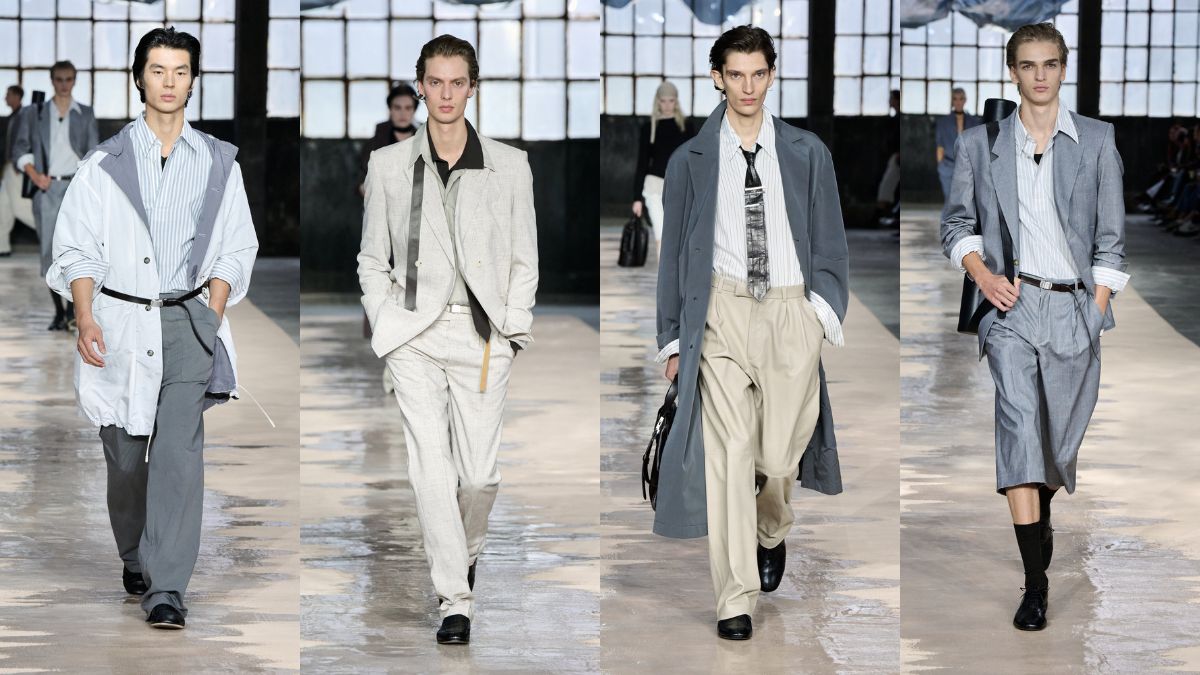
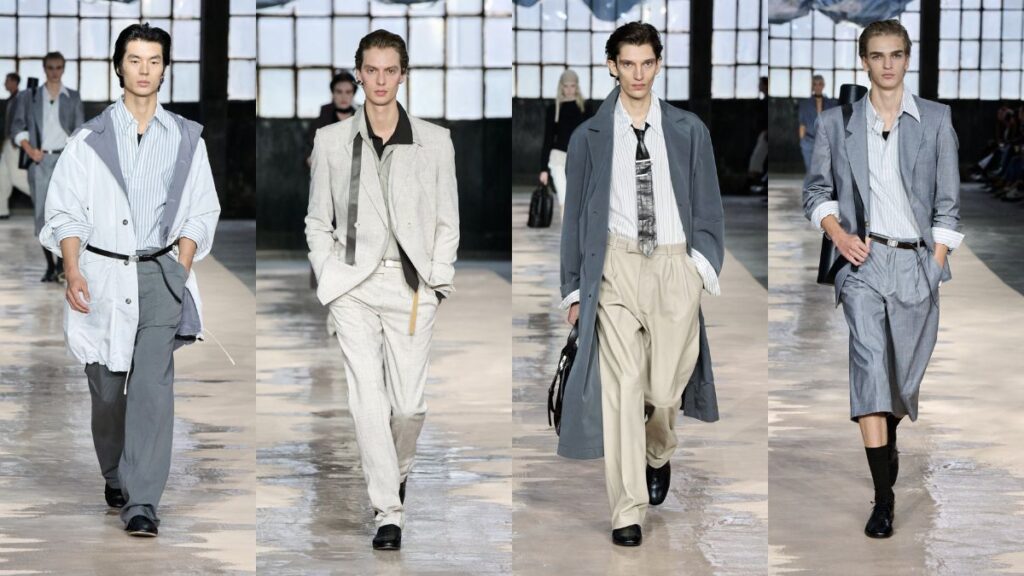
In the global fashion industry, only a few brands have successfully created a strong identity that combines sophistication, confidence, elegance, and modern style. Among these iconic names, Hugo Boss stands out as one of the world’s most recognized luxury fashion houses. Known for its sharp tailoring, premium menswear, elegant fragrances, and contemporary fashion collections, Hugo Boss has become a symbol of power dressing and refined modern luxury.
Over the decades, the brand has transformed itself from a small German clothing company into a global fashion powerhouse with a presence in more than a hundred countries. Its suits are associated with professionalism and success, while its casualwear and fragrances appeal to younger generations seeking modern luxury and confidence.
The story of Hugo Boss is one of ambition, reinvention, craftsmanship, global expansion, and branding excellence. From business executives and celebrities to athletes and fashion enthusiasts, the brand has become deeply connected with aspirational lifestyles and contemporary elegance.
The Origin of Hugo Boss
Hugo Boss was founded in 1924 by Hugo Ferdinand Boss in the town of Metzingen. Initially, the company focused on producing workwear, uniforms, raincoats, and sportswear.
During its early years, the company faced financial struggles due to economic instability in Germany. However, Hugo Boss continued building the business through garment manufacturing and tailoring expertise.
The brand’s early history remains controversial because the company produced uniforms during the period of World War II. In later years, the company publicly acknowledged this difficult chapter of its past and expressed regret regarding its involvement during that era.
After the war, the company shifted its focus toward civilian fashion and menswear. This transition marked the beginning of Hugo Boss’s journey toward becoming a luxury fashion brand.
Rise of the Brand in Menswear
The major turning point for Hugo Boss came during the 1950s and 1960s when the company began specializing in high-quality men’s suits. Germany’s growing economy created demand for professional business attire, and Hugo Boss positioned itself as a premium menswear manufacturer.
The company became known for:
- Precise tailoring
- Clean silhouettes
- High-quality fabrics
- Elegant formalwear
- Sophisticated business fashion
As corporate culture expanded globally, Hugo Boss suits gained popularity among businessmen and professionals who wanted a polished and confident appearance.
By the 1970s and 1980s, the brand had become strongly associated with power dressing. Hugo Boss suits represented authority, ambition, and success. This identity helped distinguish the brand from competitors in the luxury menswear market.
Global Expansion and Luxury Positioning
The 1980s and 1990s were periods of major international growth for Hugo Boss. The company expanded into global markets and established boutiques in major fashion capitals including Paris, London, New York City, and Milan.
The brand also diversified beyond formalwear into:
- Casual fashion
- Sportswear
- Accessories
- Footwear
- Watches
- Eyewear
- Fragrances
This expansion transformed Hugo Boss from a suit-focused label into a complete luxury lifestyle brand.
One of the company’s biggest strengths was its ability to adapt to changing fashion trends while maintaining its core identity of elegance and sophistication.
Hugo Boss and the Power Suit Culture
Few brands are as strongly connected to business fashion as Hugo Boss. During the rise of corporate culture in the late twentieth century, the Hugo Boss suit became a status symbol for professionals and executives.
The brand mastered the art of creating suits that balanced:
- Professionalism
- Luxury
- Masculinity
- Modern tailoring
- Minimalist elegance
Its sleek suits became especially popular among:
- Corporate leaders
- Lawyers
- Financial professionals
- Celebrities
- Politicians
- Athletes
Hugo Boss successfully marketed the idea that dressing well reflected ambition and confidence. This message resonated strongly with customers worldwide.
Even today, the brand remains one of the leading names in premium business fashion.
Fragrances: A Massive Global Success
One of Hugo Boss’s most commercially successful divisions is its fragrance business. The company launched several iconic perfumes and colognes that became global bestsellers.
Popular fragrances include:
- Boss Bottled
- Boss The Scent
- Hugo Man
- Boss Femme
These fragrances are known for their sophisticated scents and premium branding. Hugo Boss perfumes often represent confidence, modern masculinity, and elegance.
The success of these products helped the brand reach younger consumers who may not initially purchase luxury clothing but connect with the brand through fragrances.
Today, Hugo Boss fragrances are among the most recognized luxury perfumes globally.
Fashion Collections and Product Categories
Hugo Boss offers a wide range of fashion products for both men and women.
Formalwear
The brand’s formalwear remains its strongest category. Hugo Boss suits are admired for:
- Sharp cuts
- High-quality tailoring
- Elegant styling
- Premium materials
Casualwear
The company expanded successfully into casual fashion, including:
- Polo shirts
- Jackets
- Denim
- Knitwear
- Sneakers
- Hoodies
This helped the brand appeal to younger consumers and modern lifestyles.
Womenswear
Although primarily famous for menswear, Hugo Boss also developed sophisticated women’s collections focused on modern elegance and clean tailoring.
Accessories
The brand produces:
- Leather bags
- Wallets
- Belts
- Watches
- Sunglasses
- Shoes
These accessories strengthen Hugo Boss’s position as a complete luxury lifestyle label.
Hugo vs Boss: Brand Segmentation
The company strategically separated its identity into two major labels:
- BOSS
- HUGO
BOSS
Focused on classic sophistication, premium tailoring, and timeless elegance.
HUGO
Targeted younger audiences with trendier and more experimental fashion styles.
This segmentation allowed the company to attract multiple customer groups while maintaining its luxury positioning.
Celebrity and Sports Collaborations
Hugo Boss has built strong connections with celebrities, athletes, and sports organizations.
The brand has partnered with:
- Formula 1 teams
- Golf tournaments
- Football personalities
- Hollywood celebrities
Celebrities and athletes often wear Hugo Boss at:
- Red carpet events
- Fashion campaigns
- Sports appearances
- Award ceremonies
These collaborations help maintain the brand’s image of success, ambition, and premium lifestyle.
The company’s involvement in sports marketing also reinforces themes of discipline, performance, and confidence.
Hugo Boss in Modern Fashion
Fashion trends have changed dramatically in recent years, especially with the rise of streetwear and casual luxury. Traditional formalwear brands faced challenges as younger generations moved toward relaxed fashion styles.
However, Hugo Boss adapted successfully by modernizing its collections. The brand introduced:
- Slim-fit tailoring
- Athleisure-inspired fashion
- Sustainable materials
- Contemporary streetwear influences
- Digital-first campaigns
This transformation helped the company remain relevant in a highly competitive luxury market.
The brand’s ability to evolve without losing its identity is one of the reasons for its continued global success.
Sustainability and Ethical Fashion
Like many modern luxury brands, Hugo Boss has increased its focus on sustainability and responsible fashion practices.
The company has introduced initiatives involving:
- Sustainable fabrics
- Reduced carbon emissions
- Ethical sourcing
- Eco-friendly packaging
- Responsible manufacturing
Consumers today increasingly value environmentally conscious brands, and Hugo Boss has responded by incorporating sustainability into its long-term strategy.
The company also supports diversity and inclusion initiatives while promoting modern workplace values.
Digital Transformation and E-Commerce
The rise of online shopping significantly changed the luxury fashion industry. Hugo Boss invested heavily in digital transformation to strengthen its online presence and improve customer engagement.
The company expanded through:
- E-commerce platforms
- Mobile shopping apps
- Social media marketing
- Digital fashion campaigns
- Influencer collaborations
This digital strategy helped Hugo Boss connect with younger audiences globally.
The brand’s strong social media presence also plays an important role in maintaining relevance among fashion-conscious consumers.
Hugo Boss Stores Worldwide
Today, Hugo Boss operates stores in some of the world’s most prestigious shopping destinations.
Its boutiques can be found in cities such as:
- Dubai
- Singapore
- Tokyo
- Hong Kong
- Los Angeles
- Berlin
These stores reflect the brand’s minimalist luxury aesthetic through elegant interiors and premium customer experiences.
The company’s international retail network demonstrates its strong position in the global luxury market.
Criticism and Challenges
Despite its success, Hugo Boss has faced criticism and challenges over the years.
Historical Controversy
The company’s association with uniform production during World War II remains part of its controversial history.
Competition
The luxury fashion market is highly competitive, with brands constantly fighting for consumer attention. Hugo Boss competes with:
- Armani
- Gucci
- Prada
- Versace
- Burberry
Changing Fashion Trends
As casualwear became more dominant, traditional suit-focused brands had to adapt quickly to survive.
Hugo Boss responded by diversifying into contemporary fashion and digital marketing.
Why Hugo Boss Remains Popular
Several factors explain the lasting popularity of Hugo Boss.
Timeless Elegance
The brand’s clean and sophisticated designs remain stylish across generations.
Strong Brand Identity
Hugo Boss successfully communicates themes of confidence, ambition, and professionalism.
High-Quality Tailoring
Its reputation for excellent suits continues to attract professionals worldwide.
Global Accessibility
Compared to some ultra-luxury fashion houses, Hugo Boss offers relatively accessible luxury pricing.
Modern Adaptability
The brand continues evolving to match changing consumer lifestyles and fashion trends.
The Future of Hugo Boss
The future of Hugo Boss looks focused on innovation, sustainability, and digital expansion.
The company aims to strengthen:
- Younger consumer engagement
- Online shopping experiences
- Sustainable production
- Global market presence
- Modern fashion collections
As fashion continues evolving, Hugo Boss is likely to maintain its position by balancing tradition with innovation.
The brand’s legacy in tailoring combined with modern luxury strategies gives it strong long-term potential.
Conclusion
Hugo Boss represents much more than luxury clothing. It symbolizes confidence, sophistication, ambition, and modern elegance.
From its beginnings in Germany to becoming one of the world’s leading fashion brands, Hugo Boss has built a powerful identity through quality craftsmanship, sharp tailoring, and strong branding.
Its influence on professional fashion and luxury menswear remains significant, while its expansion into fragrances, casualwear, and digital fashion has helped it remain relevant for new generations.
Although the brand has faced historical controversies and modern market challenges, it continues adapting successfully to changing fashion trends and consumer expectations.
Today, Hugo Boss stands as a global symbol of refined contemporary style — a brand that combines tradition, luxury, and modern sophistication in a way that continues to inspire fashion lovers around the world.