





It’s Not ‘Love Jihad’: Viral Mahakumbh Girl Monalisa Bhosle Clarifies After Marrying Muslim Man, Says She Followed Hindu Rituals!
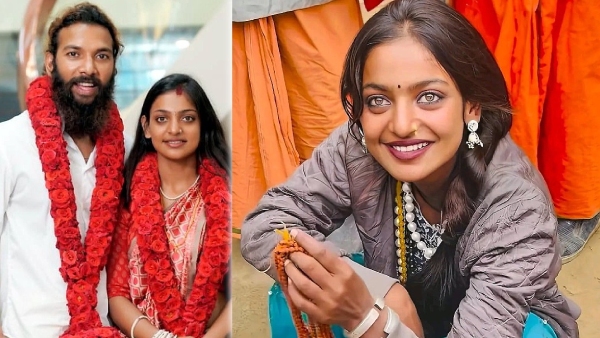
In recent days, social media has been buzzing with discussions surrounding a young woman who went viral during the grand religious gathering of the Kumbh Mela. Known widely online as the “Mahakumbh viral girl,” Monalisa Bhosle has found herself at the center of controversy after news of her marriage to a Muslim man surfaced online.
Speculation quickly spread across social media platforms, with some users claiming the marriage was an example of “love jihad,” a controversial and widely debated term in India. However, Monalisa Bhosle has now spoken out publicly, strongly denying those claims. She clarified that her marriage was based on mutual consent and respect and emphasized that she followed Hindu rituals during the ceremony.
Her statement has sparked conversations about interfaith marriages, social media narratives, and how quickly misinformation can spread in the digital age.
The Viral Rise of Monalisa Bhosle
Monalisa Bhosle first caught public attention during the massive gathering at the Kumbh Mela, one of the largest religious congregations in the world. The event attracts millions of pilgrims, saints, tourists, and photographers every year.
During the Mahakumbh event, videos and photos of Monalisa began circulating online. Many viewers were captivated by her appearance, simplicity, and the spiritual atmosphere surrounding her presence at the religious festival.
Within days, she became a trending topic on social media. Several short videos and interviews featuring her gained thousands of views, and she was soon labeled by internet users as the “Mahakumbh viral girl.”
As her popularity grew, so did public curiosity about her life, background, and personal story.
Marriage News Sparks Online Debate
The situation took a new turn when reports began circulating online claiming that Monalisa Bhosle had married a Muslim man. The news spread quickly across social media platforms, and many users began debating the nature of the marriage.
Some social media posts suggested that the relationship was an example of “love jihad,” a term that has been used in political and social debates in India to describe alleged cases where Muslim men marry Hindu women with the intent of religious conversion.
However, the narrative quickly became controversial because many of the claims were based on speculation rather than confirmed information.
As discussions intensified, Monalisa Bhosle decided to address the rumors herself.
Monalisa Bhosle Breaks Silence
In a statement addressing the controversy, Monalisa Bhosle clarified that her marriage had been misrepresented on social media.
She firmly rejected the claims that her marriage was related to any political or religious agenda. According to her, the relationship was a personal decision based on mutual respect and understanding.
Monalisa explained that she continues to follow her Hindu faith and traditions. She also stated that the wedding ceremony included Hindu rituals, which she chose to observe as part of her cultural beliefs.
Her message aimed to put an end to the speculation that had been spreading online.
Following Hindu Rituals
One of the key points in Monalisa’s clarification was her statement that she followed Hindu rituals during the marriage ceremony.
She explained that her spiritual identity and faith remain important to her. While the marriage brought together individuals from different religious backgrounds, she said it was conducted in a manner that respected her traditions.
According to her, the ceremony involved customary rituals that are typically associated with Hindu weddings. She stressed that the marriage was not about religious conversion or pressure but about personal choice.
Her comments highlighted the idea that interfaith relationships can exist while respecting individual beliefs and traditions.
Social Media’s Role in the Controversy
The incident once again demonstrates how quickly narratives can form on social media.
In the digital era, information spreads rapidly, often without verification. A single post or rumor can quickly become a trending topic, leading to widespread speculation.
In Monalisa Bhosle’s case, many social media users shared opinions and assumptions before her own statement was released. The situation illustrates how viral content can sometimes lead to misunderstandings about personal lives.
Experts often emphasize the importance of verifying facts before concluding, especially when discussions involve sensitive topics such as religion and personal relationships.

Understanding Interfaith Marriages in India
Interfaith marriages are not new in India. The country has a long history of cultural and religious diversity, and many couples from different backgrounds choose to marry.
Such marriages can be registered under the Special Marriage Act, which allows individuals of different religions to marry legally without converting to each other’s faith.
However, interfaith relationships sometimes become subjects of public debate due to social, cultural, or political factors.
In recent years, discussions around such marriages have become more visible due to social media and the rapid spread of information online.
Personal Choice and Individual Freedom
Monalisa Bhosle’s statement also highlights a broader issue: the importance of respecting individual choice.
Marriage is a deeply personal decision, and many believe that individuals should have the freedom to choose their life partners regardless of religious or cultural differences.
Her response to the controversy emphasized that her relationship was built on mutual understanding rather than external pressure or influence.
By clarifying her stance, she attempted to shift the focus away from political narratives and toward the personal nature of her decision.
Public Reactions
Public reactions to the clarification have been mixed.
Some social media users expressed support for Monalisa Bhosle, stating that individuals should have the freedom to make their own choices regarding relationships and marriage.
Others continued to debate the issue from cultural or political perspectives.
However, many observers noted that the situation highlights the need for sensitivity and respect when discussing someone’s personal life.
The Power of Viral Fame
Monalisa Bhosle’s story also demonstrates how quickly ordinary individuals can become internet celebrities.
A simple video or photograph can capture public attention and transform someone into a widely recognized figure overnight. However, viral fame often comes with challenges.
Public scrutiny can be intense, and personal decisions may become topics of national discussion.
For individuals who did not initially seek the spotlight, this sudden attention can be overwhelming.
Media Responsibility
The controversy also raises questions about media responsibility in the digital era.
When stories involving religion, relationships, or personal identity emerge, accurate reporting becomes especially important.
Journalists and content creators play a crucial role in ensuring that information shared with the public is verified and presented responsibly.
This helps prevent misunderstandings and reduces the spread of misinformation.
Lessons From the Incident
Several important lessons emerge from the situation surrounding Monalisa Bhosle.
First, it highlights the importance of verifying information before sharing or reacting to viral stories.
Second, it shows how personal lives can become public debates in the age of social media.
Finally, it emphasizes the need for empathy and respect when discussing sensitive topics such as religion and marriage.
The Broader Social Conversation
The discussion sparked by Monalisa Bhosle’s marriage reflects broader conversations happening in India about identity, religion, and personal freedom.
India’s diverse society includes people from multiple cultures, languages, and religions. Navigating this diversity often requires understanding and mutual respect.
While disagreements and debates are natural in a democratic society, many observers believe that discussions should remain respectful and fact-based.
Moving Forward
After addressing the rumors, Monalisa Bhosle appears focused on moving forward with her life.
Her statement aimed to clarify misunderstandings and bring an end to speculation surrounding her marriage.
For many people, her story serves as a reminder that behind every viral headline is a real person whose life may be affected by public discussions.
Conclusion
The controversy surrounding Monalisa Bhosle’s marriage highlights the powerful influence of social media in shaping public narratives. What began as viral fame during the Kumbh Mela soon turned into a widely debated topic involving religion and personal relationships.
However, Monalisa’s clarification made her position clear. She rejected the claims that her marriage was related to “love jihad” and emphasized that her wedding followed Hindu rituals while remaining a personal decision based on mutual respect.
Her story illustrates how quickly misinformation can spread online and why it is important to approach viral stories with caution and empathy.
Ultimately, the situation serves as a reminder that personal relationships should be viewed with understanding rather than speculation. In a diverse society like India, respect for individual choice and cultural differences remains essential for maintaining harmony and mutual respect.