



Why Is Mandana Karimi Leaving India? “I Don’t Have a Voice Here… The Moment This Regime Ends…”
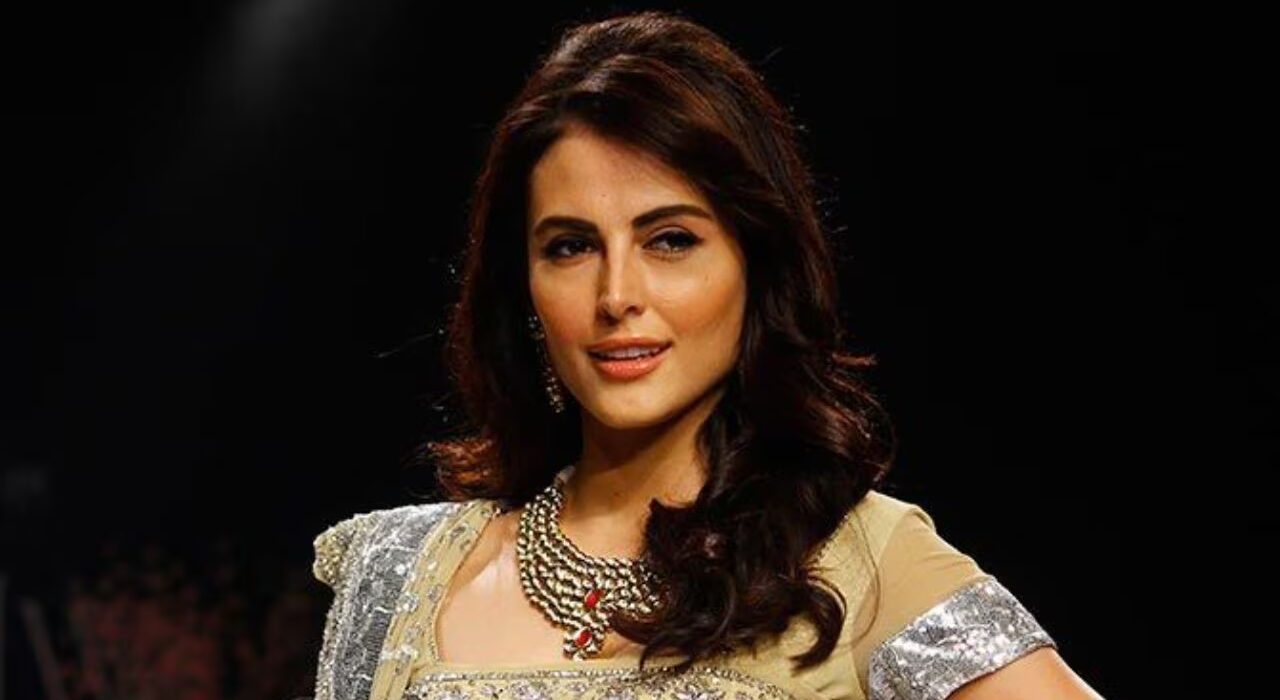
When Iranian actress and model Mandana Karimi first arrived in India, she symbolized ambition without borders. With striking screen presence and unapologetic opinions, she carved out a space in the Hindi entertainment industry—an industry that can be both welcoming and unforgiving. From reality television to Bollywood films, Mandana built a career that many outsiders only dream of.
Yet today, she stands at a crossroads. In a deeply emotional statement, she declared that she feels she “doesn’t have a voice here” and suggested that she may return only “the moment this regime ends.” Her words have sparked debate, sympathy, criticism, and intense public scrutiny. Why is Mandana Karimi leaving India? What led to this moment? And what does her statement truly signify?
This article explores her journey, her struggles, the controversies, and the broader socio-political context behind her decision.
From Tehran to Mumbai: A Dream in Motion
Born in Iran, Mandana Karimi grew up in a culturally complex environment. With an Indian mother and Iranian father, she was exposed to two distinct worlds from a young age. Seeking creative freedom and professional growth, she moved to India to pursue modeling and acting.
Her early years were not easy. Like many foreign artists entering Bollywood, she faced language barriers, cultural adjustments, and stiff competition. However, she quickly gained recognition for her modeling assignments and appearances in television commercials.
Her big breakthrough came when she participated in the reality show Bigg Boss 9. The controversial show catapulted her into mainstream visibility. Her straightforward personality, emotional vulnerability, and resilience made her a memorable contestant. While she did not win, she won something equally important—public recognition.
Bollywood Career and Public Image
After Bigg Boss, Mandana ventured further into Bollywood. She appeared in films such as Kyaa Kool Hain Hum 3, a commercial entertainer that gave her wider exposure. While the film itself received mixed reviews, Mandana’s performance kept her in the public eye.
Over the years, she also participated in interviews, digital content, and independent projects. Unlike many actors who stay diplomatically silent, Mandana was vocal about women’s rights, personal freedom, and social issues. Her outspoken nature gradually became both her strength and her burden.
Personal Turmoil and Legal Battles
Mandana’s personal life has often been in the headlines. Her marriage to businessman Gaurav Gupta ended in a bitter separation. She publicly alleged domestic violence and harassment, claims that triggered legal proceedings and media debates.
In multiple interviews, she described feeling isolated and unsupported during her marital crisis. For a foreign national navigating India’s legal and social systems, the experience was emotionally exhausting. Though she continued to work, the controversies affected her mental well-being.
Her legal battles shaped her public narrative—from glamorous actress to survivor speaking against abuse. She positioned herself as a woman who refuses to be silenced.
The Controversial Statement
The turning point came when Mandana made a powerful statement expressing her dissatisfaction with the current environment in India. She reportedly said she feels she does not have a voice and that she would consider returning “the moment this regime ends.”
This remark was interpreted as a criticism of the present political climate. While she did not elaborate extensively, her words carried clear emotional weight. For many public figures in India, political commentary can have career consequences. The entertainment industry often prefers neutrality, and outspoken opinions may limit opportunities.
Her statement triggered polarized reactions:
-
Supporters praised her courage for speaking openly.
-
Critics accused her of disrespecting the country that gave her fame.
-
Neutral observers questioned whether political dissatisfaction alone prompted her decision.
Feeling Silenced: What Does “No Voice” Mean?
When Mandana says she “doesn’t have a voice,” it may not be a literal restriction but a reflection of perceived professional and social limitations.
Several factors could contribute to such a feeling:
1. Industry Pressures
Bollywood, like many film industries, operates within networks of influence. Casting decisions can be affected by public image, political associations, and social media narratives. An actor who is seen as controversial may find fewer opportunities.
2. Social Media Backlash
In the age of digital outrage, celebrities face instant trolling and targeted criticism. For someone already navigating cultural differences, sustained online hostility can be overwhelming.
3. Identity and Belonging
As an Iranian-born actress in India, Mandana exists in a space between identities. Political statements may intensify scrutiny over her nationality and loyalty, creating an emotional burden.
A Pattern Among Artists?
Mandana Karimi is not the first public figure to express discomfort about India’s socio-political environment. Over the years, several artists, writers, and actors have spoken about creative freedom and dissent.
However, leaving the country is a significant step. It reflects not just dissatisfaction but a deeper sense of disconnect. For Mandana, the decision may be both personal and professional—a need to reclaim autonomy.
The Emotional Undertone
What stands out most in her statement is not political commentary but emotional exhaustion. “I don’t have a voice here” suggests invisibility rather than mere disagreement.
In interviews over the years, Mandana has emphasized independence, feminism, and resilience. Yet resilience has limits. Constantly defending one’s identity, opinions, and choices can take a toll.
Leaving India may represent:
-
A search for peace
-
A new professional beginning
-
Distance from controversy
-
Emotional self-preservation
Public Reaction: Divided Yet Intense
Indian audiences have always been deeply invested in celebrity narratives. Mandana’s announcement quickly became a trending topic.
Some fans expressed sadness, recalling her vulnerable moments on Bigg Boss 9. Others argued that if she felt unheard, relocating was her right. Critics questioned why she would criticize the system while benefiting from it.
This polarization mirrors broader societal divides. Celebrities often become symbolic figures in larger political debates, even when their personal experiences are more nuanced.
Career Prospects Outside India
If Mandana Karimi leaves India, what lies ahead?
Given her international background, she may explore:
-
Projects in Iran or the Middle East
-
International modeling assignments
-
OTT platforms beyond India
-
Activism and digital content creation
The entertainment industry is no longer geographically confined. With streaming platforms expanding globally, artists can reinvent themselves across borders.
Her experience in Indian cinema and television gives her a valuable portfolio. She is multilingual, camera-friendly, and media-savvy—qualities that translate well internationally.
A Broader Conversation on Freedom and Expression
Mandana’s statement reopens an important conversation about freedom of expression in creative industries. Actors and artists often walk a tightrope between personal beliefs and professional survival.
Is the industry becoming less tolerant of dissent? Or is social media simply amplifying disagreements? The answers vary depending on perspective.
For foreign artists in India, the stakes may feel even higher. Cultural outsiders can become easy targets in political debates.
The Role of Media
Media coverage has amplified Mandana’s statement, sometimes focusing more on the political phrase “this regime ends” than the emotional context behind it. Sensational headlines attract clicks but may oversimplify complex feelings.
In reality, her departure likely stems from multiple factors:
-
Career stagnation
-
Emotional burnout
-
Social media toxicity
-
Political disagreement
-
Personal growth ambitions
Reducing it to a single sentence risks ignoring the layered nature of her experience.

Will She Return?
Her words leave the door slightly open—“the moment this regime ends.” Whether this is symbolic or literal remains unclear.
Sometimes such statements are emotional expressions rather than firm conditions. Over time, perspectives shift. The entertainment world evolves quickly, and reconciliations are common.
For now, however, Mandana appears determined to prioritize her mental well-being.
Conclusion: More Than a Political Exit
Mandana Karimi’s possible departure from India is not merely about politics. It is about voice, identity, belonging, and emotional safety.
Her journey—from Tehran to Mumbai, from modeling assignments to reality television, from marriage controversies to outspoken activism—has been anything but ordinary. She represents the modern global artist: ambitious, vocal, and unwilling to compromise personal truth.
Whether one agrees with her stance or not, her statement highlights a universal human need—to feel heard.
As the debate continues, one thing is clear: Mandana Karimi’s story is far from over. Whether in India or abroad, she will likely continue to speak her mind. And perhaps, in a different space, she will feel that her voice resonates more freely.