


Y2K Nostalgia: Why the Turn of the Millennium Still Owns Our Imagination!
At the turn of the millennium, the world stood on the edge of something unknown. The year 2000 arrived with equal parts excitement and anxiety—dial-up modems screamed their digital lullabies, flip phones felt futuristic, and pop culture shimmered with metallic optimism. Today, more than two decades later, Y2K nostalgia has returned with full force, shaping fashion, music, beauty, technology, and even our emotional relationship with the past. But why does this era, once mocked for its excess and kitsch, now feel so irresistibly comforting?
The answer lies in more than low-rise jeans and butterfly clips. Y2K nostalgia represents a unique cultural moment—a time when the future felt bright, the internet felt playful rather than overwhelming, and identity was just beginning to stretch its wings in a digital world.
The Birth of the Y2K Aesthetic
The Y2K aesthetic emerged in the late 1990s and peaked in the early 2000s, fueled by rapid technological change and a collective fascination with the future. This was the era of Windows 98, CD burners, MP3 players, and the dawn of social media platforms like MySpace and Orkut. Everything felt new, experimental, and full of promise.
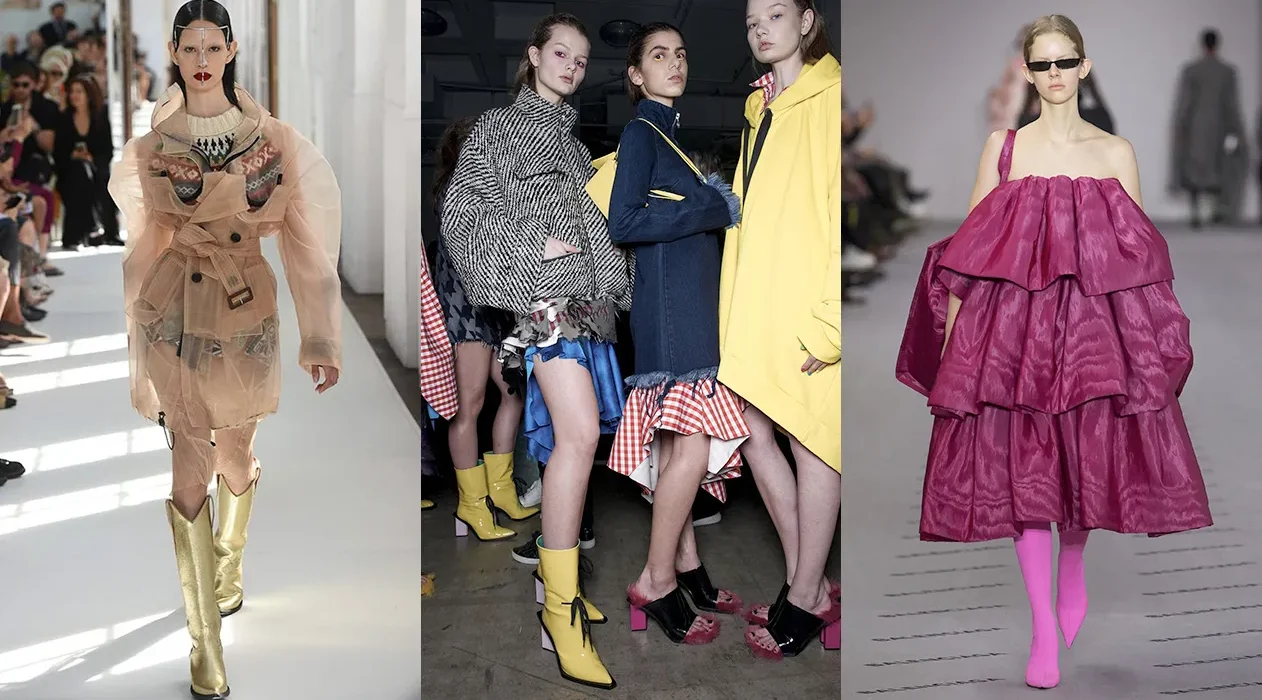
Visually, Y2K was defined by chrome finishes, translucent plastics, holographic textures, neon colors, and sci-fi-inspired silhouettes. Fashion brands embraced asymmetry, sparkle, and a sense of playful rebellion. Clothing wasn’t meant to be timeless—it was meant to feel exciting now. And that immediacy is exactly what modern audiences crave again.
Fashion’s Love Affair With Y2K
Few areas have embraced Y2K nostalgia as enthusiastically as fashion. From international runways to Instagram influencers, the revival is impossible to ignore. Low-rise jeans, cargo pants, baby tees, halter tops, mini skirts, rhinestones, and logomania have made a triumphant comeback.
Luxury brands reinterpret Y2K silhouettes with modern tailoring, while streetwear labels lean fully into early-2000s chaos. What once felt excessive now feels expressive. The Y2K era rejected minimalism in favor of maximal self-expression—something Gen Z, in particular, has embraced wholeheartedly.
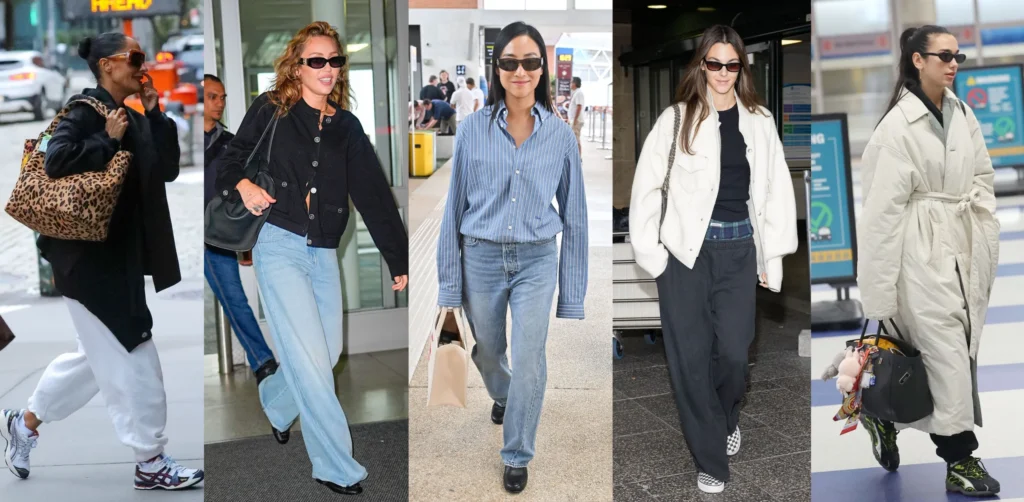
Accessories play a crucial role too: shoulder bags, tinted sunglasses, chunky belts, platform shoes, and visible logos signal a return to unapologetic style. The message is clear—fashion doesn’t always need to be subtle; sometimes it just needs to be fun.
Beauty Trends That Refuse to Fade
Y2K beauty was bold, experimental, and occasionally unhinged—and that’s exactly why it’s back. Frosted eyeshadow, glossy lips, thin brows, colorful eyeliner, hair glitter, and face gems are once again trending across social platforms.
Icons like Britney Spears, Christina Aguilera, Paris Hilton, Aaliyah, and Destiny’s Child defined an era where beauty wasn’t about perfection but about attitude. Makeup was playful, hair was styled to be noticed, and personal style felt like performance art.
Today’s beauty revival blends nostalgia with inclusivity and innovation. While the aesthetic remains, the rules have changed—there’s more room for individuality, diversity, and reinterpretation. The result is Y2K beauty 2.0: familiar, but freer.
Pop Culture: The Soundtrack of a Generation
Music is the emotional backbone of Y2K nostalgia. The late ’90s and early 2000s gave us an unforgettable mix of pop, R&B, hip-hop, rock, and electronic music. Boy bands like *NSYNC and Backstreet Boys dominated charts, while solo pop stars became global phenomena. At the same time, artists like Eminem, Missy Elliott, Jay-Z, and Linkin Park reshaped music’s cultural impact.
Listening to Y2K-era playlists today feels like opening a time capsule—each song tied to memories of MTV countdowns, burned CDs, and shared headphones. The resurgence of vinyl, cassette aesthetics, and remix culture only deepens this connection.
Modern artists frequently sample or reference Y2K hits, bridging generations and keeping the era alive. Nostalgia isn’t static—it evolves, remixes, and finds new audiences.
Technology Before It Took Over Our Lives
One of the most powerful drivers of Y2K nostalgia is our complicated relationship with technology. The early internet felt exciting rather than exhausting. Logging on was intentional. Notifications didn’t dominate our lives. Social media hadn’t yet turned into a performance economy.
We remember MSN Messenger statuses, custom ringtones, pixelated webcams, and the thrill of downloading a song overnight. These experiences feel quaint now, but they also represent a slower, more optimistic digital age.
The fear surrounding the Y2K bug—when people worried computers might fail as the calendar flipped—symbolized humanity’s first real confrontation with digital dependence. When nothing catastrophic happened, optimism surged. The future felt manageable.
In contrast, today’s hyper-connected world often feels overwhelming. Nostalgia for Y2K technology is, in many ways, nostalgia for balance.
Why Gen Z Is Leading the Revival
Interestingly, many of the loudest voices driving Y2K nostalgia weren’t even alive—or were very young—during the era itself. For Gen Z, Y2K represents a curated fantasy of freedom, color, and experimentation.
Growing up in an era of constant comparison and digital surveillance, Gen Z finds comfort in the perceived authenticity of early-2000s culture. The aesthetic feels rebellious, messy, and human—qualities that feel rare today.
Social media platforms like TikTok and Instagram have turned Y2K nostalgia into a shared visual language. Thrift hauls, archive fashion, retro filters, and throwback edits allow young creators to reimagine an era they never fully experienced, making it their own.
Nostalgia as Emotional Refuge
Beyond trends, Y2K nostalgia taps into something deeper: a longing for simpler times. The early 2000s existed before global crises became constant headlines, before smartphones tracked every moment, before algorithms shaped identity.
For millennials, Y2K nostalgia is deeply personal—tied to childhood, adolescence, and first experiences of independence. For others, it’s aspirational, representing a time when the future still felt open-ended.
Psychologically, nostalgia provides comfort during uncertainty. It reminds us of moments when joy felt uncomplicated and hope felt natural. The Y2K era, with all its glitter and excess, represents a collective pause before the world accelerated beyond recognition.
The Future of Y2K Nostalgia
Will Y2K nostalgia fade? Probably not anytime soon. Instead, it’s likely to evolve. Designers, musicians, filmmakers, and creators continue to mine the era for inspiration, blending it with modern sensibilities.
What makes Y2K nostalgia unique is its optimism. Unlike darker retro revivals, this one celebrates brightness, confidence, and imagination. It encourages people to take up space, experiment boldly, and embrace imperfection.
In a world that often feels heavy, Y2K nostalgia reminds us of a time when the future felt like a playground—full of possibility, sparkle, and sound.
Final Thoughts
Y2K nostalgia is more than a trend—it’s a cultural reset. It reconnects us with creativity, individuality, and hope at a time when many are craving all three. Whether through fashion, music, beauty, or digital culture, the early 2000s continue to shape how we express ourselves today.
Perhaps the real reason Y2K nostalgia endures is simple: it reminds us that joy can be loud, style can be fun, and the future doesn’t always have to be feared. Sometimes, it can shimmer.